If there were any justice in the world, All Over the Place would be widely considered one of the greatest debut albums of all time.
A bright blast of jangly power pop and psychedelic garage rock marked by euphoric tunes, shimmering harmonies, and delightfully cynical lyrics about creeps and bad boyfriends, the Bangles’ first full-length LP burst onto the nascent alternative-rock scene in May of 1984 to critical acclaim, and set the stage for the band’s takeover of the pop charts two years later.
It’s amazing how well this album holds up. Nestling into a sweet spot of postpunk energy, pop-rock incandescence, and Beatlesesque nostalgia, at only 31 minutes long it has attitude, effortless cool, and songs for days. Though it’s often discussed as mere 60s revivalism, when I listen to it now, I hear a band that was highly influenced by punk, whether directly or not. I hear a lot that anticipates 90s alternative bands like the Muffs and the Breeders, as well as more modern indie pop from Wet Leg to Warpaint. There’s even a kind of proto-shoegaze on “Dover Beach.”
I now recognize that the Bangles were doing things no other band has before or since. That combination of punky garage with those unearthly, damn-near-miraculous four-part harmonies is unbeatable; and the feminist edge makes it even more kick-ass. They were such good and underrated players too: unshowy, but with so much character. It’s such lively music and so joyous and fun. It’s rock ’n’ roll!
Bassist Michael Steele asserted something similar in a 1985 interview: “The combination of our vocals and the guitars — nobody’s really done that sort of folk-singing thing with the high-powered rock thing behind it.”
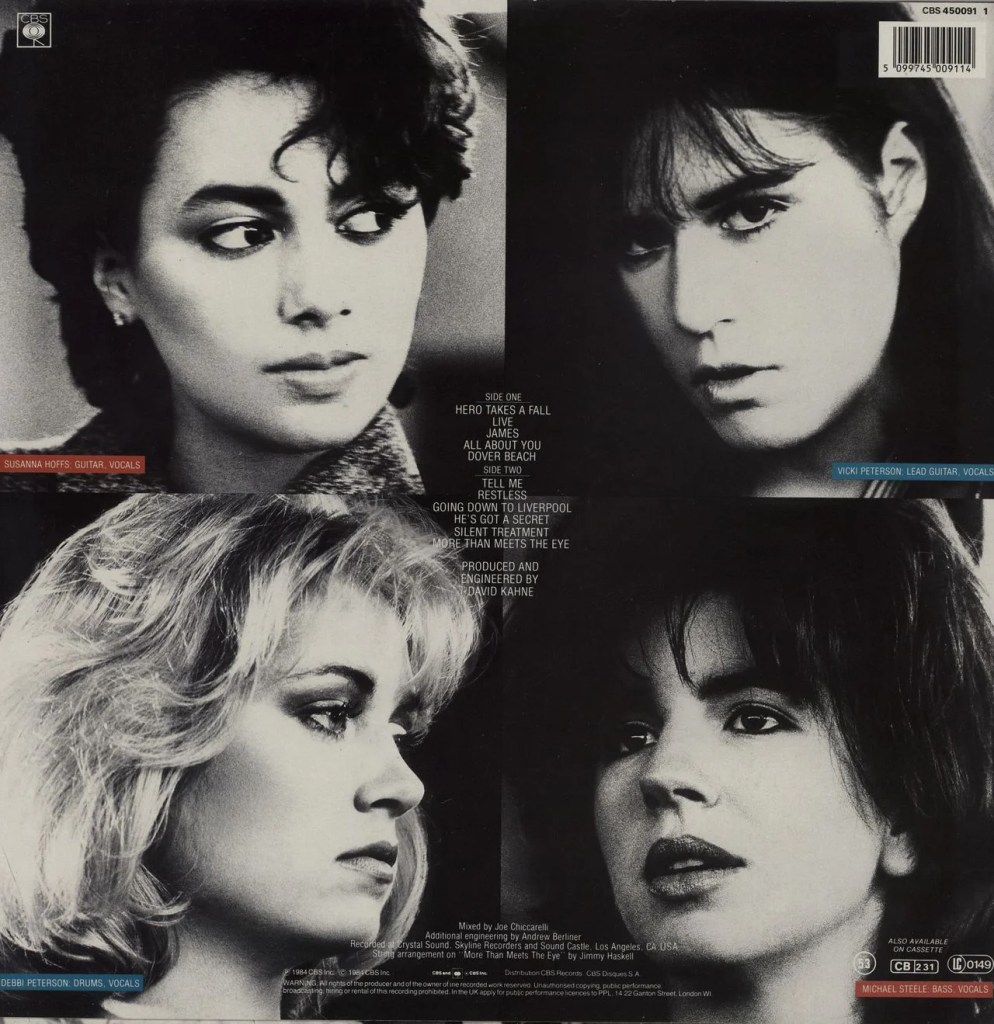
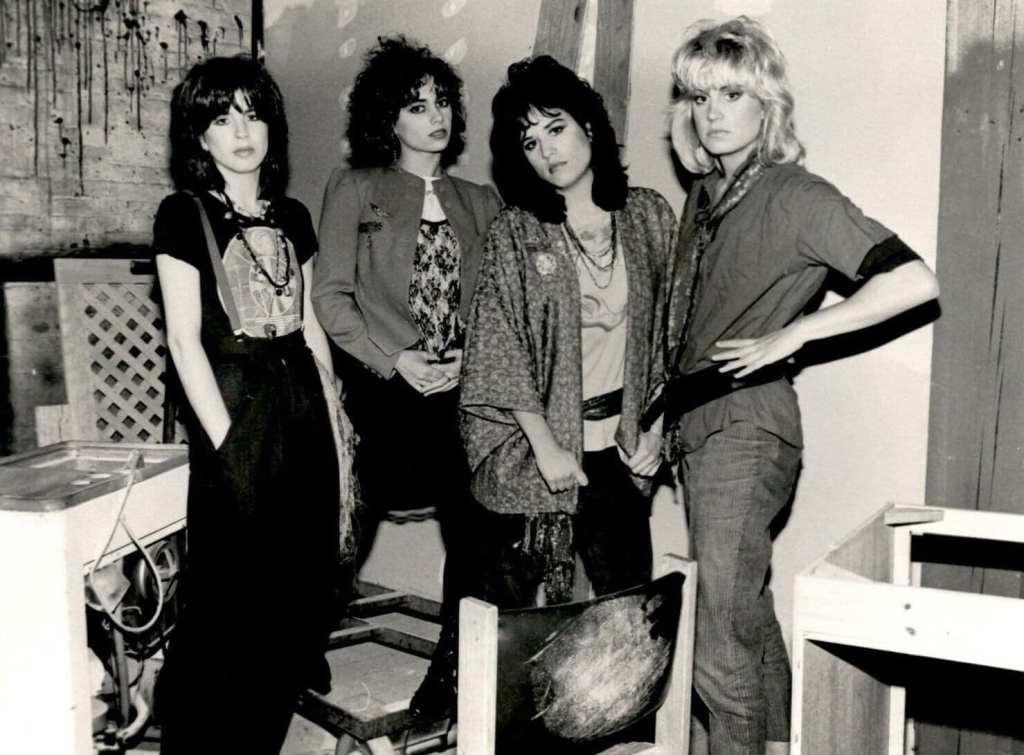
Even the album cover holds up: quintessential mid-80s underground chic, with the band looking nonchalant or even vaguely surly in black-and-white in a messy, cluttered L.A. artists’ loft (in reality an airport hangar), as if photographer Jeffrey Scales rolled up while they were recovering from a party on a Sunday morning. I painstakingly reproduced that cover in pencil on my math folder in 10th grade. Every detail fascinated me. Without understanding exactly why, I knew I wanted my life to look like this.

All Over the Place literally changed my life when I first heard it three years after it was released, at the age of 16. Because of this album, and this album specifically, I fell in love with the sound and the whole idea of punk and alternative rock.
Within weeks I was buying albums by R.E.M. and the Replacements and the Cure, reading Rolling Stone and Spin, and ordering T-shirts and pins from Burning Airlines. Soon I was digging deeper and exploring the Bangles’ classic influences including the Beatles, the Velvet Underground, and the Ramones.
There was no looking back: I was now a music fan for life. I’m the person I am today because of these 11 songs. It’s my origin story.
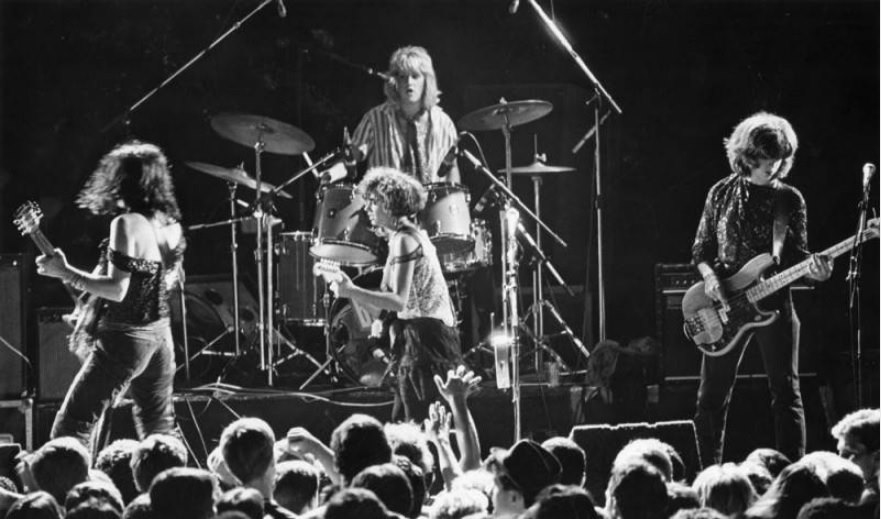
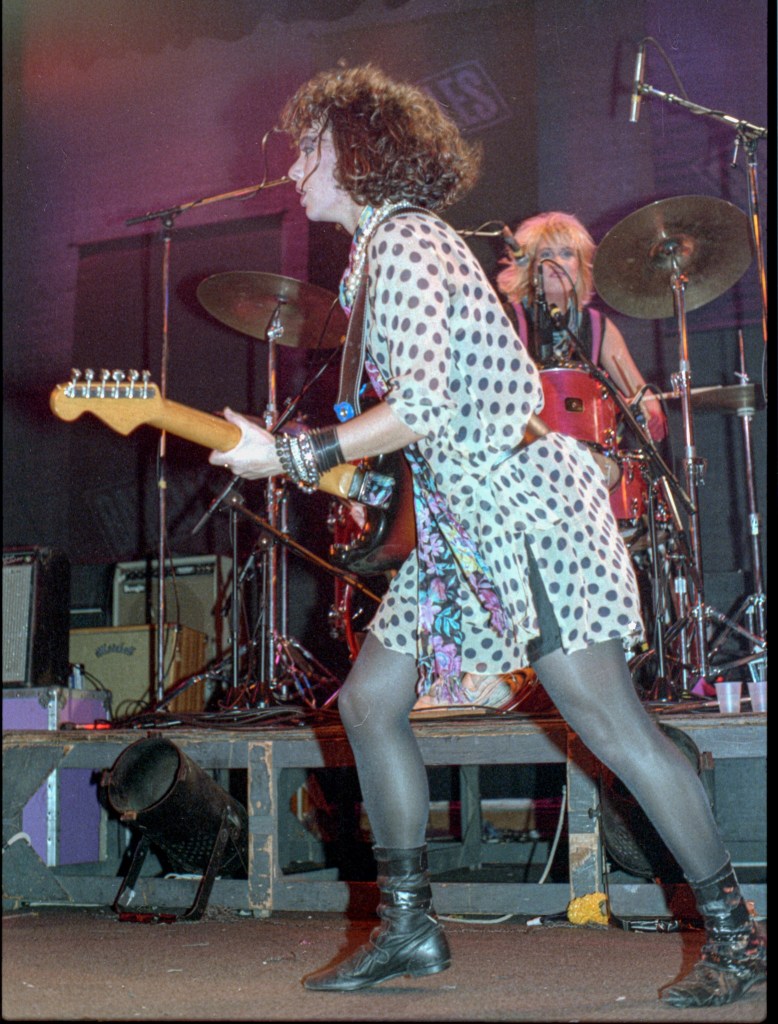
All Over the Place and its singles didn’t see much chart action, especially compared to its double-platinum, era-defining follow-up, Different Light, but it became a college-rock staple during a time when that was an important metric of cool. Always a great live act, the Bangles toured the album extensively in the college bars and theaters of North America and Europe, building a fanbase of discerning rockers who appreciated the quartet at least as much for their bulletproof songs, terrific playing ability, and winning stage presence as for their good looks. To this day, when you ask scruffy, paisley-clad music fans of a certain age about “Hero Takes a Fall” or “Going Down to Liverpool” you will be met with outbursts of passion and wistfully hazy memories of long-ago late-night college-radio shows, vinyl listening parties in dorms, and sweaty Bangles gigs in dingy clubs.
All Over the Place also won the Bangles some pretty influential fans in the likes of Prince and Cyndi Lauper, who would both play important roles in their breakout. A measure of this album’s greatness, and something that’s gone mostly unacknowledged in the mainstream music media, is that it was conversely a big influence on Prince, whose psychedelic era in the mid-80s was at least in part inspired by the Bangles and their cohort in L.A.’s Paisley Underground. He even named his music studio, Paisley Park, after his love for the sound.
I think All Over the Place should be ranked with other great debut albums of that era, including The Smiths, Murmur, and Psychocandy. As a “statement debut” by women rockers doing things on their own terms, it ought to be considered a forebear of more contemporary LPs like Wet Leg or Alvvays or Sometimes I Sit and Think, and Sometimes I Just Sit.
But instead, All Over the Place is relegated to the margins of rock history, remembered as a cult classic when it’s remembered at all. Out of curiosity I scanned several lists of the greatest debut albums of the 80s and of all time and I couldn’t find it mentioned anywhere (here’s a representative example at Paste Magazine, and here’s another one at Rolling Stone). It’s not even available to stream here in Australia where I live.
This is puzzling considering what a critical darling it was upon release — for example placing high on the Village Voice’s 1984 Pazz & Jop critics’ poll alongside other all-timers including Purple Rain, Zen Arcade and Double Nickels on the Dime. Those albums are still mentioned as the among the greatest of that year and of that era, while All Over the Place has fallen through the cracks.
There are a few reasons for this marginalization, I suspect. The Bangles’ pop era, spanning iconic hits like “Manic Monday,” “Walk Like an Egyptian,” and “Eternal Flame,” marked a significant departure from their early garage sound, largely eclipsing their previous work as well as compartmentalizing their fanbase. There was a real disconnect between those scruffy Paisley Underground devotees and the younger, pop-oriented masses of fans the band gained in the late 80s. The Bangles speak about how, after “Walk Like an Egyptian” spent a month at number one, all of a sudden they had kids at all their shows instead of the usual college hipsters (I was one of those kids).
Those newer fans never had much exposure to All Over the Place. It was rereleased by Columbia in 1987 after the breakthrough of Different Light (which is when I bought it), but to this day it still hasn’t gone gold, and none of its songs are well-known outside the core of diehard fans.
An important disclaimer: I’m not arguing that their pop era was a tragedy or a sellout, as many Bangles fans do. I love their pop hits. Last year I spent 7,000 words defending the greatness of Everything, their 1988 platinum album that includes “Eternal Flame.” I think “Walk Like an Egyptian” is an absoute banger and I refuse to disavow it.
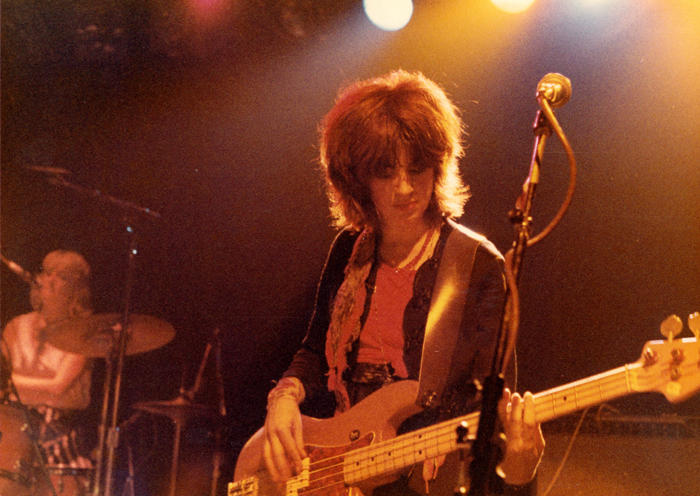
In a 2000 interview with Goldmine, Steele gently skewered Bangles fans who obsess over the debut and dismiss their more successful work: “That’s what people respond to ad nauseum: All Over the Place was a cool record, thereby saying your other two albums were shit.”
So the cliché goes: “I like their early stuff.” Just so it’s clear I’m not here for that. As I said in my essay about Everything, I regard myself as a “Bangles poptimist.” I look at their discography holistically, and I love all the different eras of their sound, from the raw underground garage of the early 80s; to their major-label years recording some of the best pop ever made; to their more mature, Americana-tinged work in the 21st century.
If, when you think of the Bangles, you think of “Manic Monday,” there’s nothing wrong with that at all. Their run on the pop charts left an amazing legacy. But that legacy also means they’ve been unfairly pigeonholed, their brilliant early work neglected.
For decades, these contradictions have made things tricky for Bangles fans. The bandmembers themselves have at times been vocally ambivalent about their biggest hits. And as much as I love and staunchly defend their pop output, even I have to admit that the difference between All Over the Place and songs like “Eternal Flame” and “Walking Down Your Street” is stark.
There’s another important factor that ensures All Over the Place remains obscure: sexism. There’s no question the Bangles were a pioneering all-female rock band, and that’s readily apparent on this album, but in the popular consciousness they’re mainly known as cute hitmakers. Many of their fans are no better: online Bangles forums are swamped with comments about their looks. Their music always comes second for these middle-aged men reliving their adolescent fantasies — it’s so frustratingly demeaning and sexist.
Even among fans of the Paisley Underground, the Bangles are often underrated. The tendency for some is either to scorn the Bangles as sellouts because of their pop era, or to simply not take them seriously enough compared to their male Paisley peers like the Dream Syndicate and Green on Red, or other bands in the broader jangle-pop and college-rock movement like R.E.M. or the Church.
So the barriers to the Bangles being respected as rockers are many, and come in many forms: ogled and objectified on one side, dismissed by rockist gatekeepers on the other.
Sexism aside, the Paisley Underground in general is oft-neglected in the mainstream music media. Except for the Bangles, none of the Paisley Underground bands, including the Dream Syndicate, the Three O’Clock, and the Rain Parade, are as widely known as they should be, despite what an influence they had on the alt-rock and indie of later years — and on Prince.
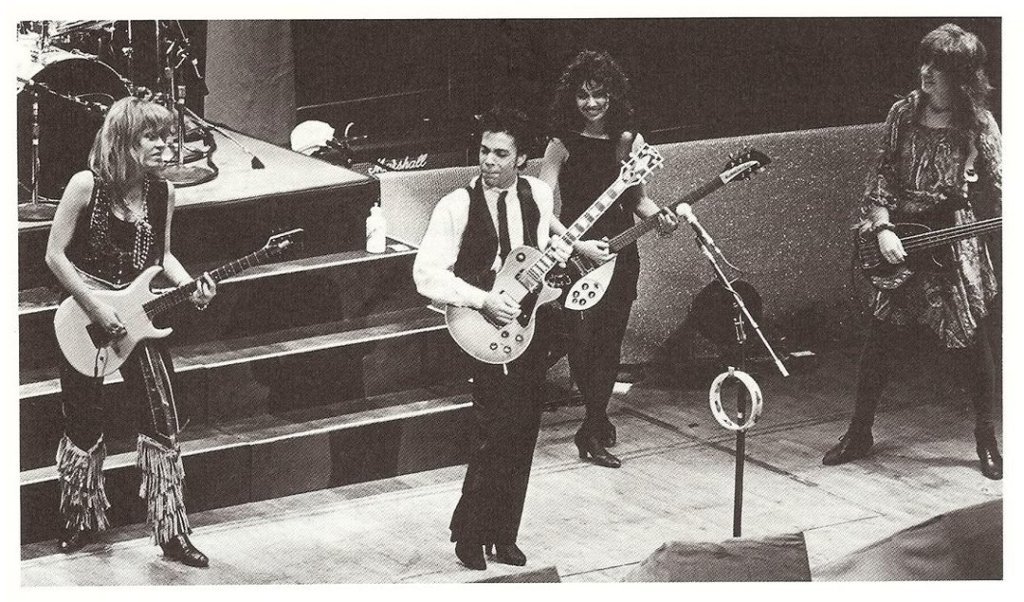
Prince’s obsession with All Over the Place should offer doubters a clue as to its quality. One of the injustices of the mainstream narrative around the Bangles is that Prince is widely seen as a benefactor of the band simply because of a thing he had for Susanna Hoffs. This has not only been exaggerated by the media (they never dated and Hoffs has always insisted it was a nonstarter), it’s not even the most interesting thing about their association. It’s getting it all backwards: he was a fan of the Bangles’ music first and foremost.
Prince heard “Hero Takes a Fall” at some point in the summer of 1984. He was immediately struck by the sparkling brilliance of the tune, as anyone should be when they first hear it — Vicki Peterson’s knack for writing instantly memorable guitar lines never on better display; and Hoffs at her best, her vocal both sweetly engaging and deceptively tough.
A lifelong supporter of women musicians, Prince must also have been impressed by the whole look and vibe of this quartet of women rockers with their combination of no-fucks attitude and high energy. Just check out their ridiculously cool postpunk/thriftshop fashions and look at all the fun they’re having in the video (directed by Christi and David Rathod), and imagine you’re Prince watching MTV in 1984:
Soon he was a huge fan, and started making efforts to bring the Bangles into his circle — attending their shows, and inviting them to hang out. Hoffs tells a wonderful anecdote about Prince arranging for the band to come to a studio and spend all night playing Bangles songs with him:
He invited us to his house one day. We were all hanging out and suddenly he said, “Let’s go to Sunset Sound and play music, all five of us.” We went into his special room at the studio and he’s got all kinds of gear set up for us. All he wanted to do was play Bangles songs. And he knew them all. We all just looked at each other, like, “He knows them all? What’s happening?” We all stayed up until three in the morning. We were taking off our shoes and dancing in our socks while Prince played.
There it is y’all: Prince’s taste in music was legendary (think of his Joni Mitchell superfandom), and he knew how much the Bangles ruled.
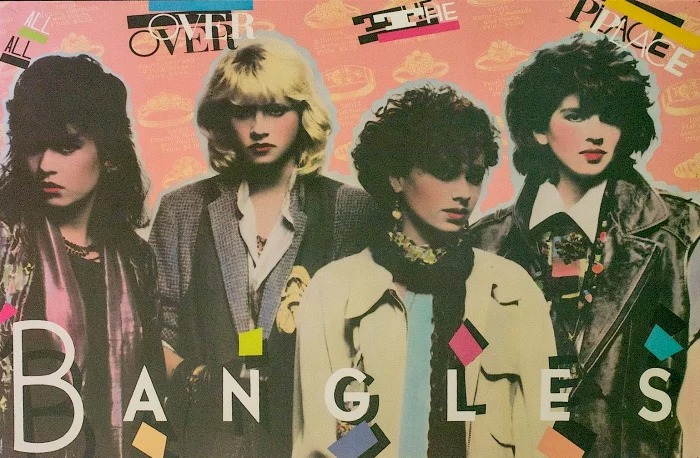
I became a Bangles fan at the age of 15 for the same reasons so many other people did and still do: because of “Manic Monday” and “Walk Like an Egyptian.”
I was a music lover and had been since a young age, but was only familiar with what was on the radio or MTV. I had no idea about underground or alternative music, and to me punk was just a pop-culture cliché about leather and spiky hair.
I was a huge fan of Prince, and “Manic Monday” was an easy sell for me. The woozy, wobbly synths and 60s retro feel were such a great push/pull combo, and sounded so perfect on the radio in the spring of 1986. It still instantly transports me to that time when I hear it.
Later that year, “Walk Like an Egyptian” had an irresistible pull for me. Watching the video over and over, I decided the Bangles were the coolest band I’d ever seen. To people who only know it as a silly novelty song now, it’s hard to explain how amazingly cool it was if you were a kid at the time.
I had to hear more. So I bought Different Light on cassette, not knowing my life was about to change. I listened to it on my Walkman on the school bus every morning. I fell in love with its eclectic sound — absorbed by the neo-psychedelia and dark tinges of folk alongside the sunny pop — and felt an obsession growing that I couldn’t explain.
The record and tape store at the local mall had a copy of All Over the Place on cassette, so I nervously bought it. I’d never bought an album without having heard any of the songs on it before — my first step towards being a more adventurous, committed music fan.
I still remember what happened when I pressed play on it that May night, in my room, with my Walkman headphones on. The eerie fade-in of the four part harmonies on “Hero Takes a Fall.” Quickly followed by the clanging guitars, the muscular uptempo beat and pumping bass. The veiled threat aimed at the bad man in the lyrics: I won’t feel bad at all when the hero takes a fall. I was instantly captivated, almost dizzy with excitement.
Then a whirlwind of 10 more short, sharp, raucous, hook-saturated songs that left me breathless. It was so different from the Bangles’ pop stuff, or from anything I’d heard. I’d never experienced anything like those jangling guitars before, and the way they offset those unreal harmonies. I’d never heard songs like these — like no pop I’d heard on the radio, but virulently catchy all the same. Modern and hip, yet retro-cool, yet timeless. My life was changed by the time the eerie, mournful strings of the Sgt. Peppers-esque “More Than Meets the Eye” faded out half an hour later.
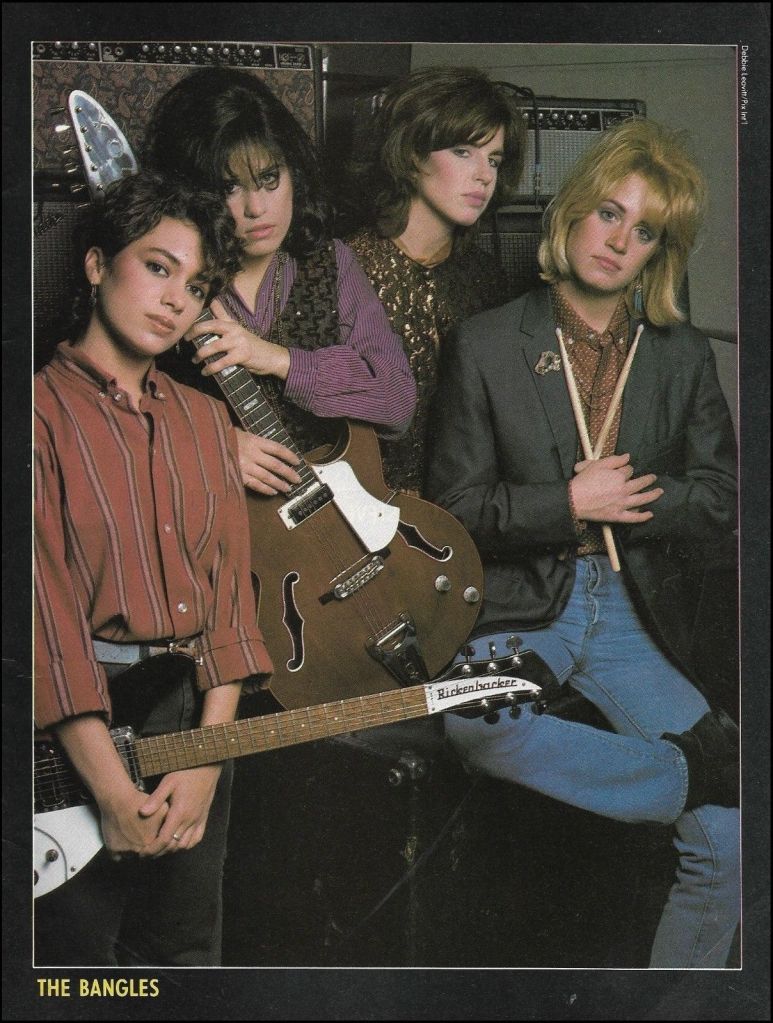
Hell, if I’m being honest my life was changed by the end of side one — as perfect an album side as there ever was. “Hero Takes a Fall,” one of the great songs of the 80s, as transformative for me upon first hearing it as it was for Prince, comes clattering to a stop; and in quick succession there’s the blazing cover of the Merry-Go-Round’s psych anthem “Live,” featuring Debbi Peterson on lead, one of the signature songs in the Bangles’ repertoire. To a kid who was only familiar with the most obvious 60s music, this was a revelation. The swinging beat, searing guitars, soaring harmonies, and optimistic lyrics about liberation felt like the sun rising on a new era for me as surely as it must have to audiences 20 years before.
Then the crashing intro chord and weird scraping on guitar strings that mark the dramatic start of “James.” Everything great about the album and about the Bangles comes together in two minutes and thirty-eight seconds here: Debbi Peterson’s rave-up beats; Steele’s gritty, funky basslines. The way Hoffs’ vocal makes a breakup with a jerky boyfriend sound absolutely euphoric. I knew it’d turn out like this! And the way Vicki Peterson’s fierce guitar licks and fills seem to be in call-and-response dialogue with her — as if the guitar is singing Yeah! That’s right, girl, you said it’d turn out like this! Steele’s Oooh let me down answered by Hoffs’ Let me down down down down on the bridge — it always makes me smile.
The fourth track, “All About You,” just pours on the brilliance, with hooks upon hooks. It kills me the way it starts with exactly two bars at a mid-tempo pace, led by Steele’s walking bass, before whipping into double time — Debbi Peterson’s drumming creating so much excitement. Her sister’s lead vocal is superb: disappointed and wary with her man, delivering lines like The sun is hiding and the car is running badly with chilly diffidence even as the band makes it sound like a party. Her guitar work is even better. She has not one but two great solos here (on a song less than three minutes long), and such is the breadth of her skill that they sound completely different, as if it’s two guitarists taking turns. The first one is haunting and mournful in a George Harrison vein, ending on gorgeous sustained low notes leading into the breakdown; the second a smoking-hot rockabilly workout, as if dismissing the jerk with a celebratory flourish.
After this four-punch sequence, “Dover Beach” knocked me right over hearing it for the first time, and it still does. My favorite Bangles song of all time, and one of the most unique, only lately has it occurred to me how improbably shoegazey it is. The squalling feedback-drenched guitars magnifying the power of the gorgeous melody (and yet again, Vicki Peterson’s guitar seems to have a vocal quality; it essentially “sings” the second verse). The way Steele’s pulsating bass and Debbi Peterson’s propulsive drumming build the track and keep building it. Hoffs’ dramatic, yearning vocal. The lyrics that seem romantic until you realize they’re about longing to escape the world, and the hopelessness of being unable to do so — the song is a tribute to the 1867 poem of the same title by Matthew Arnold. The world is no one’s dream / We will never ever find the time. Even the imagery of the English coast, which I always picture being dark and stormy thanks to the song’s noise and melancholy themes.
These are all hallmarks of shoegaze. “Dover Beach” wouldn’t sound at all out of place in a Ride set, or in any more modern indie band’s set for that matter; it’s still so fresh and invigorating. I felt so validated when my partner walked in on me playing it loud recently and asked if it was a new band.
To be clear, I’m not trying to argue the Bangles were an influence on shoegaze — although Daniel Chavis, lead singer of pioneering “Blackgaze” band the Veldt, did recently tell me in a Facebook comment that All Over the Place was huge for him. Still, it’s more the case that the Bangles and shoegaze progenitors like Ride and Slowdive were influenced by some of the same artists, including the Byrds, Neil Young, and the Velvet Underground — a case of convergent evolution as it were.
Sixteen-year-old me was so overwhelmed by this storm of noise and melody that when the song came to an end — the ringing feedback, Debbi Peterson’s cracking snare, and Steele’s droning bassline fading to silence — it felt like waking from the dream mentioned in the lyrics, before I flipped the tape for side two.
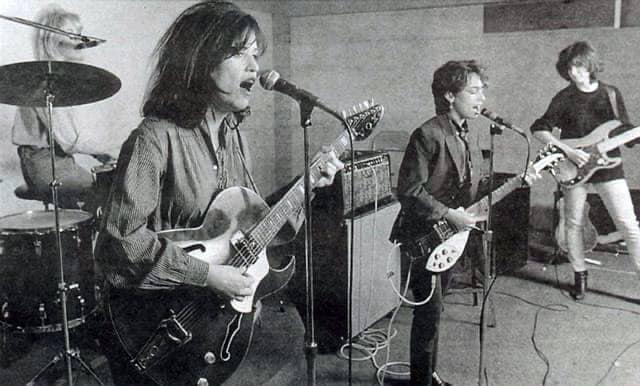
Listening to it 37 years later, I’ll admit side two isn’t as flawless as side one, and if the album could be accused of faltering just a little bit (keeping in mind this is a debut LP!) it’s in the back half. While far from filler, “He’s Got a Secret” and “Silent Treatment” aren’t as strong as the rest — though I love the latter’s full-on punk energy and Ramones-like chanting.
The closer, “More Than Meets the Eye,” sounds more like an exercise in tribute to Paul McCartney’s string-heavy compositions than a fully realized Bangles song. However, in context of Me Too, I really appreciate the portrait of the creepy antagonist, a male photographer who either treats a string of girlfriends like shit, or actively stalks and harasses women (depending on how literally you want to interpret the lyrics). There’s an interesting contrast between the delicate strings and harmonies and unsettling lines like When you’re so secure, never feeling unsure / That’s the time you check behind your door — as if it’s a thriller or a horror movie.
For every near-miss on side two there’s another banger. “Tell Me,” the first song Hoffs and Vicki Peterson ever wrote together, is just overflowing with creativity, fun, and “the joy of the rock and the roll,” as Hoffs likes to call it. It’s one of the best examples of the Bangles’ singular genius at vocal arrangement, the four-part harmonies swooping and soaring like birds over the smoking uptempo rockabilly. Every line is a zinger: What a shock it is to see I can walk away so easily and Too bad baby, this time you lose. I just love how they break it down with a One, two, three, abandon me / Eight, nine, ten, you’re back again against Steele’s jazzy little bass runs, and I love Peterson’s whammy effects — so many great details packed into every bar.
“Restless” is arguably the most modern-sounding cut on the album (aside from “Dover Beach”), with its funkier beat and grungier guitars. Vicki Peterson’s snarling lead vocal (I won’t be tested if you feel restless) encapsulates the album’s girl-power themes.
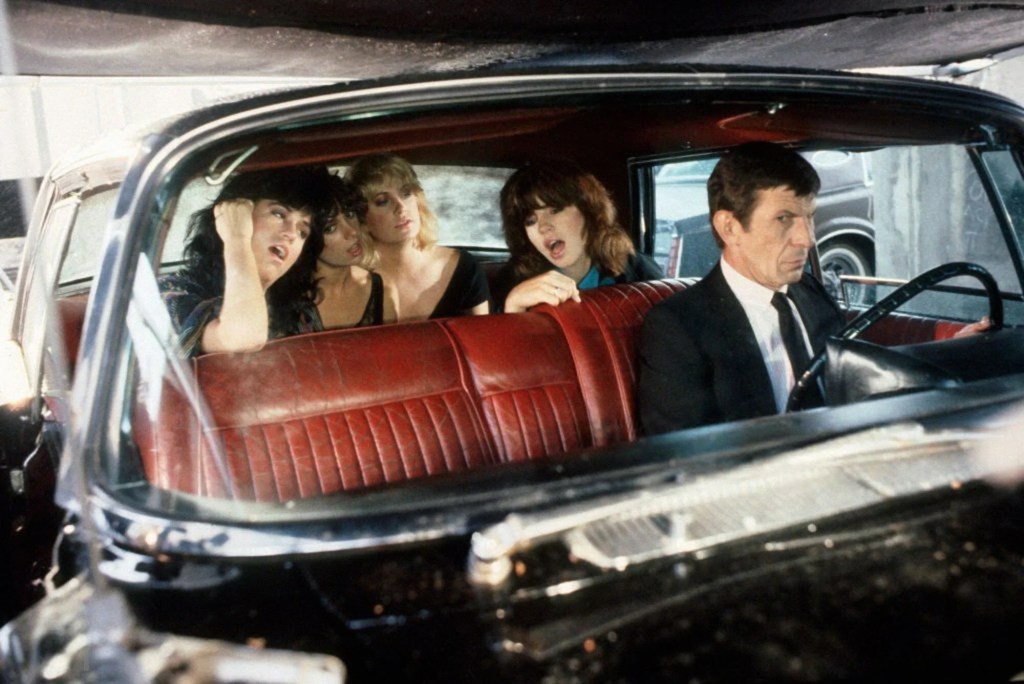
As a kid I was again overpowered by side two’s climactic number, “Going Down to Liverpool,” a cover of a 1983 recording by British new-wave group the Waves (pre-Katrina). In typical Bangles fashion they outdo the original. The buzzing, chiming layers of deliberately out-of-tune guitars; the piercing elegy of its melody, hauntingly sung by Debbi Peterson (the lilting I said hey now that starts each verse still makes my hair stand up), bringing out the melancholy and bitterness of the lyrics about unemployment in Thatcher’s Britain. Not that I understood that at the time; it just seemed like a wistful song about England and the home of the Beatles (a misconception I suspect is shared by a lot of Bangles fans). In retrospect I love that a beloved Bangles recording has such a sharp political angle, even if it’s not obvious.
And what did Leonard Nimoy being in the video have to do with Liverpool or Thatcherism or any of it? Nothing, but it’s just cool as hell.
More than any other song on the album, “Liverpool” represented something I wanted more of in my life but couldn’t quite name. I wanted to hear more music that could be so moody but so exciting and inspiring at the same time. I wanted to hear more guitars that sounded that weird and majestic.
I listened to All Over the Place every night for a week straight, and many more times that summer, astonished at what was happening to me — that feeling of a newfound infatuation carrying you away like a rip current.
Next thing you know I was hanging Bangles posters and clippings on my wall; wearing their T-shirts; collecting every magazine I could get a hold of that featured them; and scouring the library for old articles about them on microfiche, obsessively copying the texts by hand. I joined Bangles ’n’ Mash, their very welcoming and community-oriented fan club, poring over each newsletter and band questionnaire as if it were sacred scripture.
In other words I was exhibiting classic fan behavior, but I didn’t understand it at the time. It felt both enchanting and weird, like something that would be hard to explain to others, even my family.
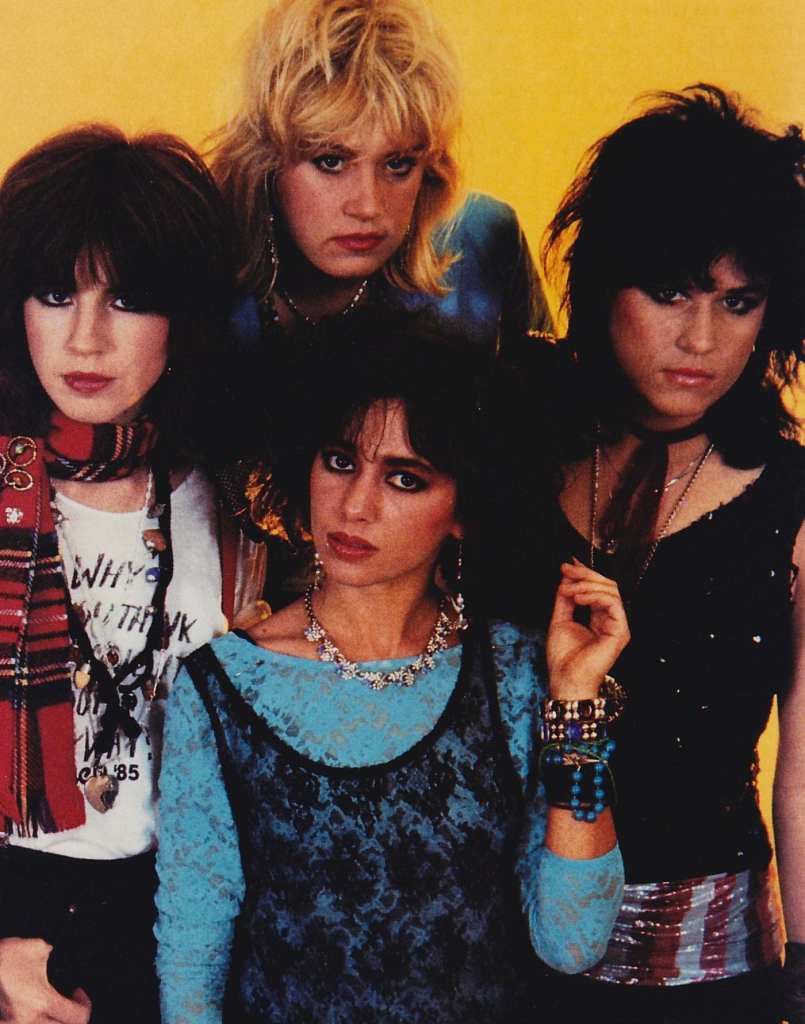
I couldn’t put this into words at the time but the fact that the revelatory sounds on All Over the Place were made by women was a huge part of its impact on me. It would be disingenuous to deny that their attractiveness had anything to do with it — I was 16 after all, and what is rock ’n’ roll without sexual tension?
But it was so much more than that. In brushing aside every trope of rock made by men (the masculine poses, the vain soloing, the sexist lyrical clichés), somehow the Bangles seemed to rock harder. Though I had a lot to learn about feminism it was plain to me that as a band of women with guitars they were underdogs in the music business, and that appealed to me on some deep level.
In his great unauthorized biography of the Bangles, published earlier this year and a valuable resource in the writing of this essay, Eric Shade quotes a 1984 interview with Vicki on the unique pressures the Bangles experienced as women: “Percentage-wise, there are fewer all-girl groups, so people focus on them. I am hoping more women will get it together to play. Rock music needs a good kick in the pants!”
This is why I emphasize the connection to punk (it’s not only because I’m an 80s kid, though of course that’s part of it). All Over the Place may be heavily indebted to the 60s in its outward forms, but it’s an album that would not be possible without punk. This is true in simple terms of noise and energy, but even more importantly because punk opened up much more space for women in rock by making it more accessible to everyone. Hoffs is explicit about this, and I think it’s significant that she names Patti Smith among her inspirations:
I actually saw the last-ever Sex Pistols show at Winterland in San Francisco because I was in college across the bay at Berkeley, and then I saw Patti Smith. It really was that music that emboldened me to decide to be in a band… It was really that movement, which was very much rebellious, that made me want to be in a band and made me think it was even possible. It was like, getting that Ramones record and realizing, “Hey, I know those three or four chords they’re playing, I could put down the acoustic guitar and grab an electric guitar and make that sound!” It was mind-blowing for me.
The significance of punk to the Bangles makes even more sense when you remember they were greatly influenced by 60s garage rockers like the Seeds and the Standells. Those garage bands were among the forebears of punk.
It’s worth noting that there are 11 songs on All Over the Place and at least seven of them are about being ditched or let down by men. None of the rest are about romance, unless you count “Dover Beach,” which is actually about the unrealism of romance. In his terrific biographical essay about the Bangles at 64 Quartets, Chris O’Leary calls it “a concept album about awful boyfriends.” As critic Robert Christgau put it in his review of the album: “Maybe they project such confidence because they know exactly what they want to say: don’t fuck me over.”
This is quite the contrast with their later, more conventionally romantic output — again, not to bash their pop era, but just being objective about something that shifted in their songwriting.
In their interviews in the 80s, the Bangles sometimes rejected the feminist label, saying they wanted the music to come first. A lot has changed since the Reagan years — which were, let’s not forget, characterized by an ugly antifeminist backlash. Feminism has grown and evolved since then, and taken on new forms. In recent years, there’s been more recognition that even just talking about the difficulties and double standards women face in relationships can be a political thing to do. Incidentally, the Bangles have been more overt about their feminism in the 21st century too — consistently supporting abortion rights, for example; and talking more bluntly about the sexism they faced in their heyday.
So, yes, All Over the Place is far from polemical. But there’s something wonderful about how, on track after track, they just aren’t having it from these losers — following a grand tradition of acerbic, strong-minded women in music lyrically putting men in their place, from Nancy Sinatra to Tammy Wynette to Aretha Franklin.
The Bangles’ snark aimed at men fascinated and intimidated and thrilled me. When I heard Hoffs growl I only take this shit for so long for the first time at the climax of “James,” I was delighted — it may have been the first time I’d ever heard anyone curse on record; certainly the first time I’d heard a woman do it.
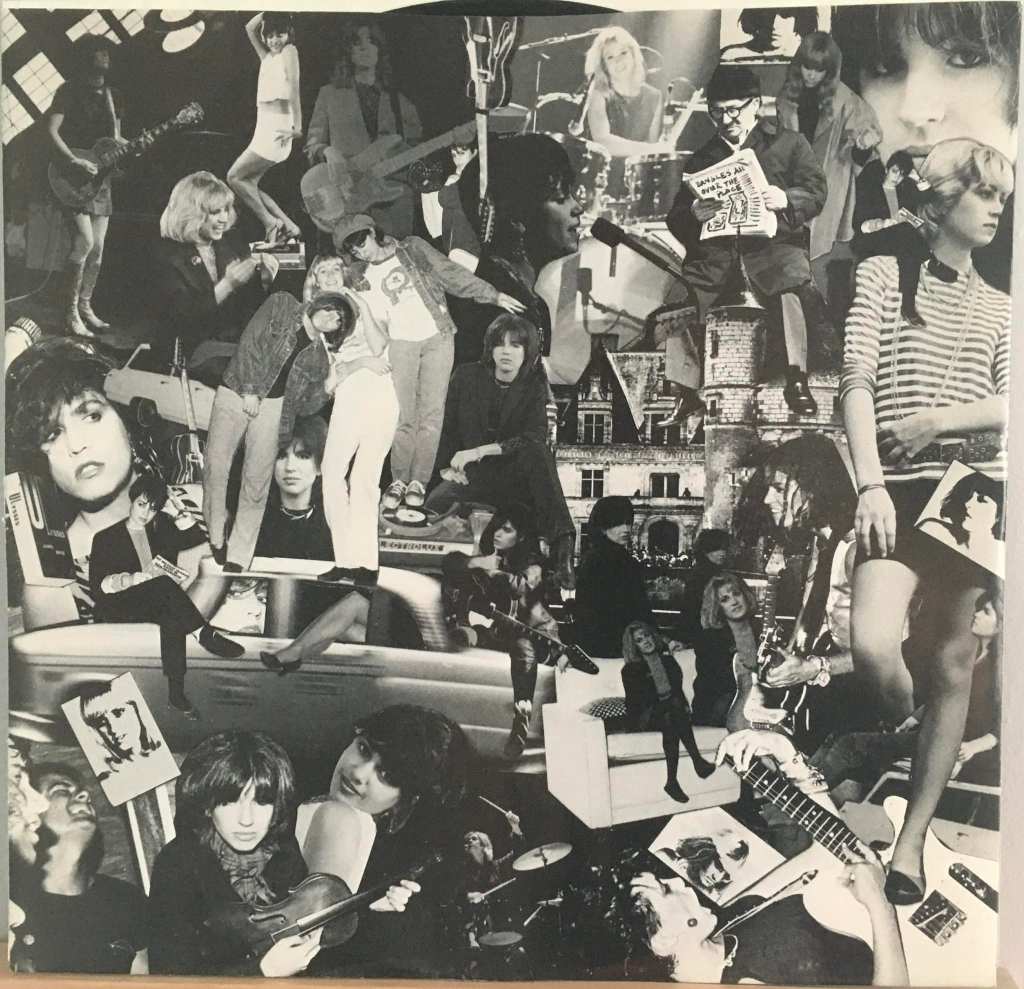
It all seemed so grown-up. I wanted to be as grown-up and cool as the Bangles were: I wanted to hang out in artists’ lofts like they did on the cover. I wanted to listen to old records and read poetry and dress bohemian — like the striped shirts and denim jackets and funky hats they’re rocking in the amazing collage on the inner sleeve. I wanted to make jokes about sado-masochism and come up with literate putdowns like Suddenly your sycophants are chanting slogans at your door. I wanted to come and go and talk of Michelangelo.
Does it sound strange for me to say I wanted to be like them even though I was a cishet teenaged boy? If that seems like some kind of paradox, I think it just shows how much we objectify women and don’t even think about it. Why shouldn’t a woman artist be a role model for a boy? Weren’t the Beatles and the Stones and David Bowie huge influences on the Bangles’ tastes, styles, and personalities when they were girls?
The flip was true for me — they were my Beatles. I adored them, but they were my heroes too — and the earliest influence on my feminism and my progressive politics in general.
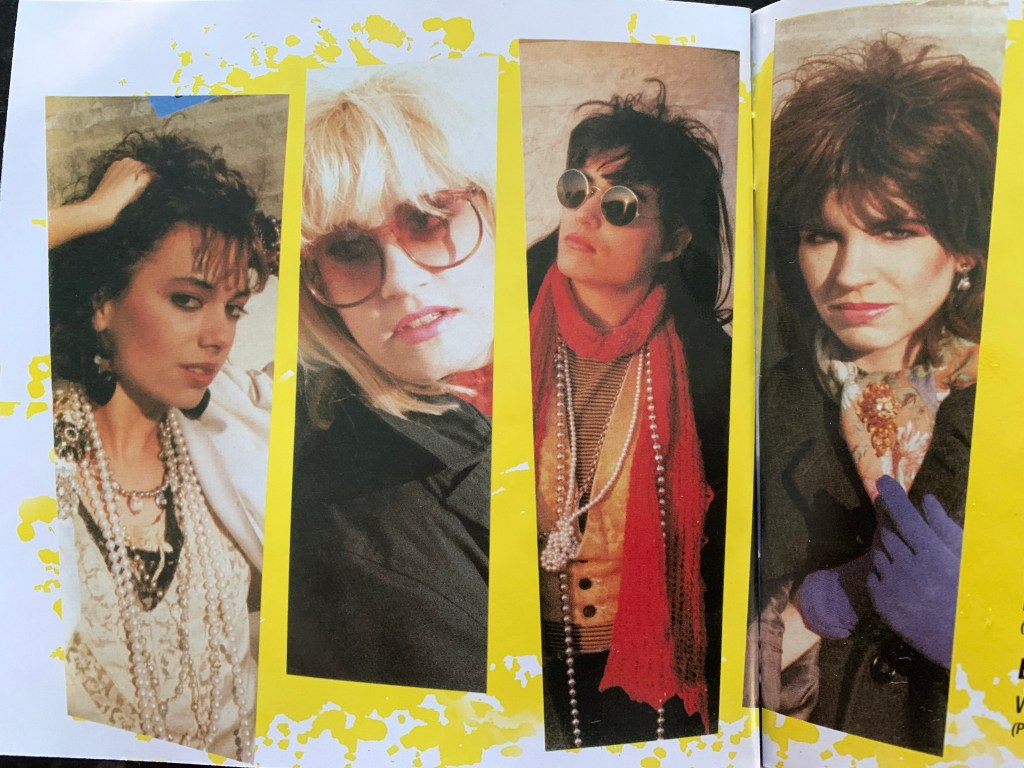
All Over the Place is regarded by many fans as the “real” Bangles — the undistilled essence of their natural garage-rock sound, and an indictment of the slick pop of their next two hit albums. However, reading about the recording process shows a reality that sharply contrasts with this perception. The fact is that All Over the Place, their debut on a major label as well as their debut LP, was just as polished and “pop” in its production as their hits were; and the making of it didn’t feel very natural at all to the bandmembers.
The album’s producer was David Kahne, a young A&R executive at Columbia who’d developed a reputation as a hitmaker for the company. The suits tasked Kahne with hammering this buzzworthy indie band’s debut album into something fit for the mainstream. Tracking took place at Skyline Recording in Topanga Canyon.
The commercial imperatives and top-down control were not easy on the band, who’d spent three years developing their unique sound in the underground clubs of L.A., doing things their own way, and functioning as a democracy. On their 1982 self-titled debut EP (released on their manager Miles Copeland’s IRS subsidiary Faulty Products), they just plugged in and played.
In his dual role as studio taskmaster and major-label representative with an eye on the charts, Kahne was much more perfectionistic, building each track obsessively with many layers, and pushing the band to do take after take until it wasn’t fun anymore. Worse, his leadership style was domineering, if not outright bullying. The Bangles have often pointed out that he saw himself as the artist, with the band merely the ones who would execute his vision.
In an oft-cited incident, Kahne made Debbi Peterson rerecord the first line of her vocal on “Going Down to Liverpool” so many times that she started crying. This heavy-handed approach from an authority figure who was supposed to be developing the 22-year-old’s talent damaged her confidence for years. Since then she’s spoken frankly about the impact on her mental health. “We were tortured by David Kahne,” she told Goldmine in 2000.
“There wasn’t a joy of creation there,” her sister said in the same interview. Added Hoffs: “He made us more aware of what our flaws were than the things we were good at. It has a kind of debilitating effect after a period of time.” Shade suggests that enduring this pressure together as a unit may have ironically been a bonding experience for the band.
Kahne also produced the band’s breakout album, Different Light, two years later. Things would get even worse at that point, with Kahne replacing many of the bandmembers’ tracks with session players, disregarding their input, and being more difficult than ever in his (successful) campaign to create a smash hit at all costs. It’s a case study in the abuses of the music industry, and especially in what a nightmare it can be for women.
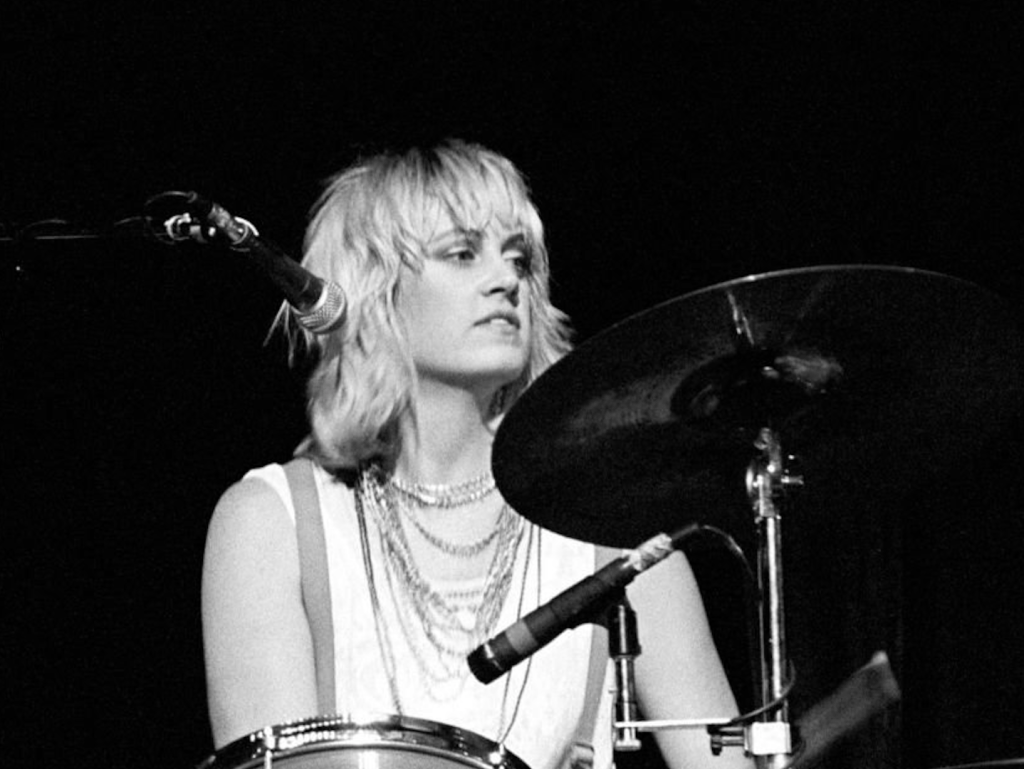
To be fair, plenty of Kahne’s and the label’s decisions in the recording of All Over the Place were good ones. In a recent Vulture interview, Hoffs talks about how the label urged the band to set aside the “cow beat” of the EP (“oompah-oompah, almost a country style” as she describes it) and write a more uptempo “four on the floor” rocker. That was canny advice because the result was the definitive “Hero Takes a Fall.”
I hate to admit this as a lifelong anticapitalist and supporter of independent music, but sometimes the corporate-label system results in good music, especially when it involves refining and focusing a band already as great as the Bangles.
Kahne’s sonic instincts were sharp: the album sounds great: bright and clear yet layered, slick yet hard-rocking. It’s the ideal approach to the Bangles’ pop-rock sound with its complex harmonies, and no doubt one reason the album is so highly regarded to this day. So in that sense it is the real Bangles.
But why did recording it need to cause them so much tension and misery? Surely it would have been possible to get the same great results without alienating the band and becoming such a nemesis to them?
Indeed that was later proven by Everything producer Davitt Sigerson, who helped the band craft a masterpiece in a collaborative, easygoing way that was the polar opposite of Kahne’s approach.
These things are difficult to reconcile as a fan — an album changes your life, but later you find out that making it was an awful experience for the band.
It makes me feel better that the Bangles have mixed feelings about it too. “Ultimately, I loved what came out of the ordeal,” Vicki Peterson says in the liner notes of the album’s 2010 CD rerelease. Hoffs agreed: “There was something fantastic about that record.”
In an interview with Best Classic Bands last year, Peterson riffed on these contradictions:
During the sometimes stressful moments in the making of this record, I was constantly aware of the efforts to polish and prepare the band for bigger things. It’s interesting that while at the time it felt we were being over-produced in the studio, upon listening now I find the guitars are barely in tune and we are still very much ourselves. All Over the Place is now my favorite Bangles record of the Columbia/Sony years.
Peterson is right to be proud of the album, especially since in some ways it ought to be considered her album.
So that I’m not misunderstood let me explain. One of the essential rules of Bangles fandom is recognizing that they were a democracy and that there were and are no lead singers or bandleaders as such. It’s a special thing about the Bangles that you can’t say about very many other bands. I’m fully on board with this.
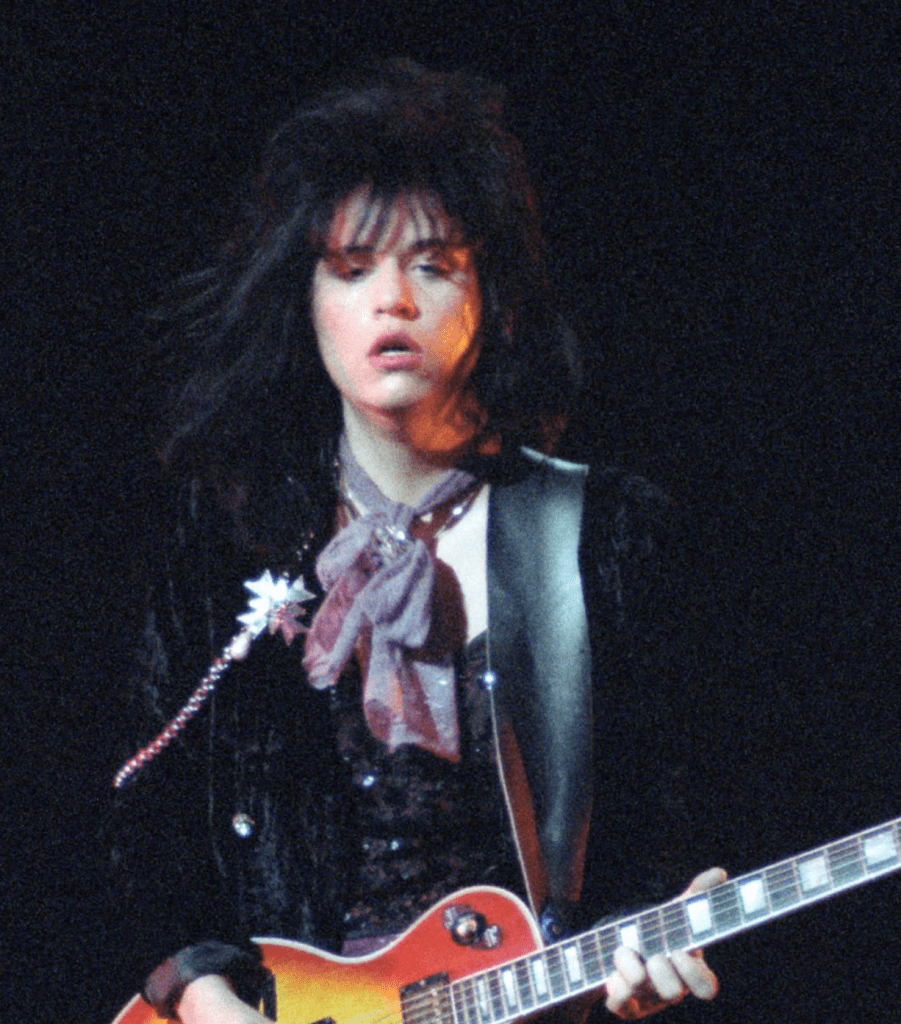
However there’s no denying the crucial role that Vicki Peterson played in organizing the band in the early years and giving them direction and drive. She was the band’s most eloquent spokesperson onstage and off; and, along with Hoffs, the chief songwriter, until her younger sister and Steele came into their own on later albums.
Peterson’s major contributions to All Over the Place are apparent from start to finish. She co-wrote five of the nine originals with Hoffs and wrote the other four herself. Furthermore two of those sung by Hoffs (“James” and “He’s Got a Secret”) originally featured Peterson on lead vocals. Her expressive guitar playing defines the sound and coheres the whole project. The album’s buzzing energy largely emanates from her. So do the prevalent themes about breakups and bad romances. As I mentioned in my piece about Everything, as a songwriter, Peterson has never been one for love songs, much preferring the sardonic approach that defines All Over the Place.
It’s not a knock against the Bangles’ fundamental egalitarianism (nor, I should add, a knock against the unique brilliance of Hoffs, who is often unfairly blamed for the band’s breakup) to give credit to a terribly underrated musician for a fabulous creative peak.
It’s always hard for me to explain my Bangles superfandom to friends who know me as a house and techno DJ, or as a fan of postpunk, noisy indie, and abstract electronica. How do those things connect at all?
I’ve tried to explain a little bit about that here, in describing what it was like for this album to hit an inquisitive 16-year-old music fan like a diesel truck. What strikes me now is looking back and seeing how the Bangles opened me up to new sounds, leading to other pivotal musical experiences and lifelong favorites.
I’ve already mentioned how they indirectly led me to embrace shoegaze, a form that’s been central to my whole outlook on rock for the past 30 years. The abrasive guitars and ethereal women’s harmonies of Lush and Stereolab; the groovy psychedelia of Madchester bands like the Stone Roses and the Charlatans (the Simon & Garfunkel covers! the striped shirts!); the revivalist garage of the Yeah Yeah Yeahs and the White Stripes; the deadpan feminist grunge of Courtney Barnett. No wonder all this made so much sense to my ears in later years. Because I moved on after they broke up in 1989, the Bangles’ early, hidden influence wasn’t immediately obvious to me in 1994 or 2004, but it’s much more clear now.
So they made all this possible for me, but more importantly they encouraged in me a spirit of openness and exploration. The simple fact of buying a cassette tape of relatively obscure music I’d never heard before, and then wanting to know what older music had inspired it… and then wanting to know what novels and poems and foreign films and politics had inspired it too. I can trace a lot of my passion for art and culture and humanism back to that warm spring night in 1987.
Will All Over the Place ever get the flowers it deserves in the mainstream? I suppose it’s possible. After years of being primarily known for their 80s hair and a string of pop hits, the Bangles are overdue for critical reassessment. An authorized biography and a documentary are both in the works, and perhaps those projects will help find a new, younger, more open-minded fanbase for them.
Women have a higher profile in rock than ever, and pop-rock is taken more seriously now that rockists no longer keep all the gates (to repeat a point I made in my Everything essay, just think of how artists like Stevie Nicks, Kate Bush, and Linda Ronstadt are embraced more than ever). We can hope that All Over the Place will one day soon be remastered, reissued, and reassessed. It’s just a fabulous album and people who give it a chance have a tendency to fall in love with it.
But part of me thinks that even if the Bangles are rehabilitated in the mainstream (for example, if they’re nominated for the Rock ’n’ roll Hall of Fame one of these years, as they damn well should be), their debut album will remain an underheard gem, simply because it’s so different from their most popular hits, and so hard to categorize.
Then again, the fact that it’s so undervalued makes All Over the Place even cooler. It’s like a secret you get to share with the 400,000 or so people who’ve ever owned it.
Like what you read and want to support? Consider buying me a coffee! You can also subscribe below, and be sure to share this article!


Nice analysis of All Over The Place, Jim. It was my gateway Bangles, 40 years ago, as 15 year old kid. I then hunted down the Faulty Products EP then being present for the releases that followed. If you’re around my age, please avoid terms like cishet or state publicly that you’re anti-capitalist. Our modern western society was built on capitalism after all. It’s corruption in corporations and government that have hobbled us in more current years.
LikeLike
Thanks for reading! Really appreciate the compliment and that you took the time to comment.
Re: the advice about my terminology: No can do, sorry. Inclusive language is a deeply held conviction for me, and nothing for me to hide or be ashamed of. As I mentioned in the essay, the Bangles were actually the artists most responsible for inspiring me to be more progressive as a kid, and I’ve tried to stay true to that. Not sure what my age should have to do with it, although I admit I generally have more in common with young people politically. Furthermore, opposing capitalism (and not just surface-level corruption) is another important part of my life — but anyway, longer conversation. 🙂
LikeLike
Hey. Great piece. I too am an ardent Bangles lover, although somewhat older than you; I got All Over the Place when it came out and have been besotted ever since. (Wednesday I’m going to see Vicki and John do their duet show in a tiny piano bar in NYC; they play around town a ton.)
Anyway, I wanted to offer a comment on the rumors about Prince and Susanna.
In fact, at the time Prince WAS romantically involved with “Susannah.”
But not Hoffs. He was dating Susannah Melvoin, the twin sister of Wendy, of Wendy and Lisa. In fact, if memory serves, there’s a thank you to “Susannah” in the Around the World in a Day liner notes, which I think fueled the specuation about Prince/Hoffs.
Also, that shot of the Bangles at Radio City in November 1984? I was there. They opened for the Psychedelic Furs. 6 weeks later, at a Midnight New Year’s Eve show at the Ritz, they were insanely great.
LikeLiked by 1 person
Also… Silent Treatment really is a great song. I learned to love it when they would open with it; it’s a great live opener. See if you can track doen (if you don’t have it) the recording from a radio show from 9/28/84. THey open with Silent Treatment, then Real World. A great 1-2 punch.
LikeLiked by 1 person
Hi Jim,
Great review!
This album has been unavailable on streaming (along with When You’re a Boy – the solo album of Susanna Hoffs) for 15+ years. It seems odd. I would have thought a 40th anniversary release would have happened this year. And 30th anniversary for When You’re a Boy in 2021…
Googling now I see this:
https://americansongwriter.com/susanna-hoffs-opens-archive-of-unreleased-songs/
Perhaps there is a long game happening here re: This Bird has Flown Screenplay being produced. Or the Bangles documentary getting a festival release. Maybe they’re trying to get some money behind the re-releases for marketing/ad costs… The two films might create incentive for Sony to put some money behind the reissue/remaster.
LikeLiked by 1 person
I admit, I’m negligent in writing a comment far too late in the game. I would be remiss by not giving congrats for a well-written, from-the-heart article & analysis. And of course, thank you for the name check. Bangle-On!
LikeLiked by 1 person
Thank you Eric! Really appreciate that coming from you
LikeLike