I won’t spend too many words introducing this list — I’ve already explained my taste and methodology several times on my previous year-end lists, dating back to 2021. The overarching themes here are shoegaze, hyperpop, ambient, electronic, and psychedelia, as usual; with a big helping of skewed folk and country this time around.
This was an amazing year for music — I’ve said it before but we’re living in a golden age of new music (even if almost nothing else feels good about this crumbling world of horrors). It was hard to order the list and I found myself wondering how albums as great as Julie’s My Anti-Aircraft Friend and Beth Gibbons’s Lives Outgrown could be ranked as low as number 8 or number 12. Other than acknowledging that this year belonged to Brat, the order here isn’t greatly important, and almost every album here was my favorite thing happening in music at one point or another.
As much great music as there was in 2024, I didn’t set out to cover it all. It’s a personal list and I don’t see it as my role to be exhaustive; and honestly, these lists take a long time to put together and write up. I don’t write short blurbs like other critics do (and like I probably should!). Each write-up here is like a mini-essay, and putting 13 of them together is in some ways 13 times the work of a post that covers just one topic. For these reasons and others I wanted this list to be shorter than before.
So, for example, I didn’t include Billie Eilish’s Hit Me Hard and Soft here. I love Eilish and her last album made my 2021 list. The new one is really great and I recommend it. I just found that I didn’t have anything to add to the discussion about it, and she definitely doesn’t need my help with promo. I thought it was best if I strip down and focus on the music I do have a lot to say about. Great albums by MJ Lenderman, Sleater-Kinney, Gillian Welch & David Rawlings, and Mannequin Pussy were left off for similar reasons.
Few would agree that mid-February qualifies as “reasonably timely” for a year-end list. I actually wrote the headline when I thought I was going to be able to get this thing out in January, and that didn’t happen. I didn’t want to change the headline, so it’s a bit of a joke at this point, but in fact this list is weeks earlier than average (the earliest before this one was February 28; the others were published in March).
I’ve embedded a playlist of selections from these albums at the end of the article (here’s the link if you don’t want to scroll for it). You can buy me a coffee if you like what you read!
1. Charli XCX — Brat

Brat was always going to be album of the year — I called that, and gushed about its greatness at length, in my autopsy of Brat Summer in August (by far the most-read piece I’ve ever published here; it’s getting even more clicks now than when it was new). It’s the kind of album that changes the culture immediately on impact, and then keeps changing it as the shockwaves reverberate for months (and years, I predict).
I admit there were times when Charli reached a level of overexposure I just couldn’t deal with — and I don’t just mean the “kamala IS brat” thing and the stupid misery of the election season, which I’ve already covered in detail. I mean everything: the magazine covers, the silly sponsorships, the breathless coverage of the Sweat Tour, the SNL appearance (obviously angling for an acting career).
But every time I felt like I was over it all, something would remind me of just how brilliant an album it is. Something as simple as how many musicians I respect put Brat or its singles on their end-of-year best-of lists — including some completely outside the pop genre like Waxahatchee and Steve Wynn of Dream Syndicate — reminding me that it’s the real deal. Or this amazing cover of “360” by Blossoms and Rick Astley. She was really funny on SNL too!
Similarly, when Charli dropped the remix LP, Brat and It’s Completely Different but Also Still Brat in October, I put off listening for a while because I feared it would be superfluous if not self-indulgent. When I finally put it on, I was floored by how unnecessarily great it is, and how it takes what was already an epochal album to another level by deconstructing and reimagining every song on it in order. That Charli pulled so many pop superstars like Caroline Polachek, Billie Eilish, Lorde, Ariana Grande, and Robyn into the project and into her orbit just showed what a cultural force Brat was and will remain. (I realize this contradicts my article’s claim that Brat Summer died prematurely, but I stand by everything I wrote about her ill-advised association of Brat with Kamala Harris.)
The “Everything Is Romantic” remix featuring Polachek is so gorgeous and dramatic, with its cascading breakbeats, soaring strings, and melancholy vocals reminding me of Orbital in their heyday (weird comparisons to 90s rave and electronica constantly occur to me when listening to Charli). The remix of “Mean Girls” with Julian Casablancas just kills me — the indie-dance collab I had no idea I needed so much in my life, as good as or better than the one he did with Daft Punk. Both are superior to the original versions on Brat.
I found that staggering: that Charli could top everybody with an unforgettable, era-defining album, and then keep topping herself, with an ongoing project that showed how fluid and dynamic a form the album can be. Indeed she evolved the form, keeping it relevant for new generations. For that alone she deserves her flowers.
2. Waxahatchee — Tigers Blood
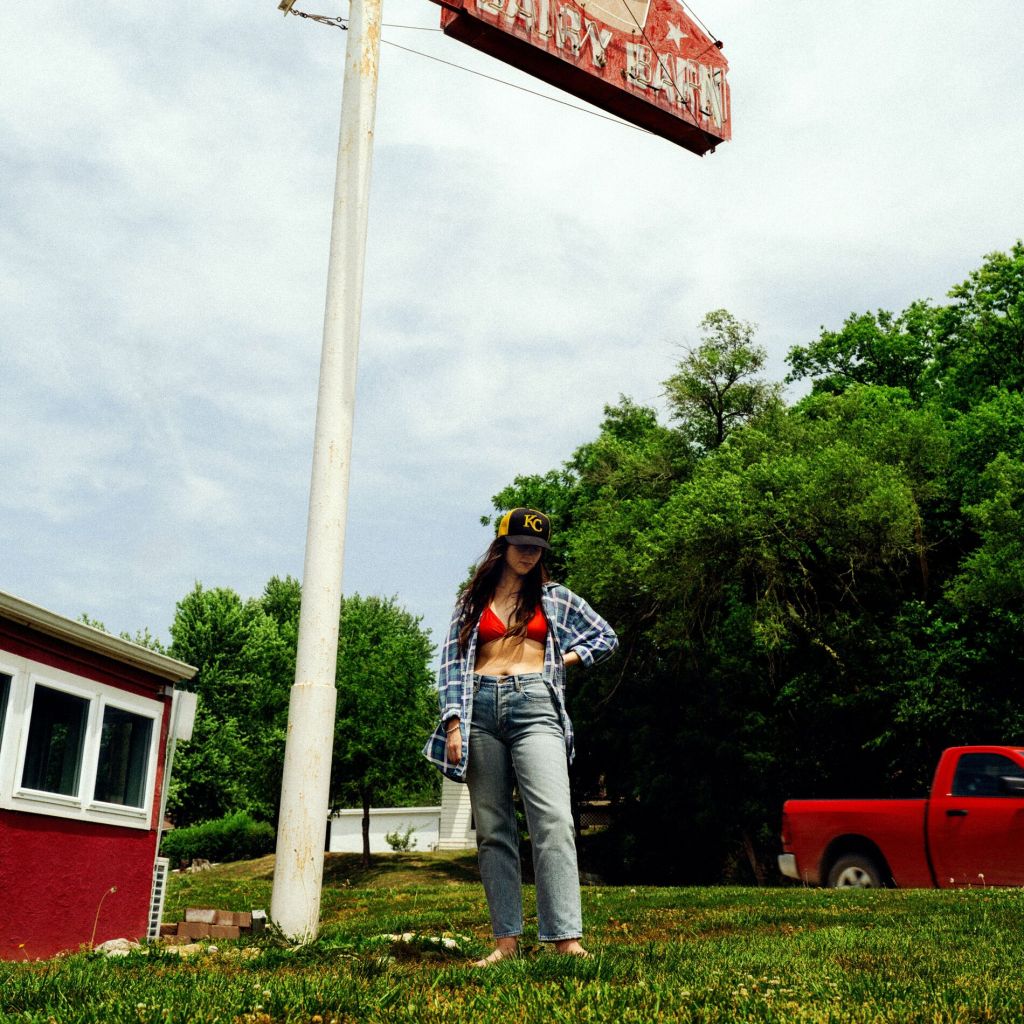
Alabama-born, Kansas-based Katie Crutchfield makes a gritty fusion of indie and country distinguished by her charismatically smoky vocals and phenomenal Dylanesque songwriting. To me she answers questions like, “What if Americana wasn’t boring?” and “What if Loretta Lynn was backed by Crazy Horse?” Her band is wonderful — foregrounding the soul inherent in country and giving it a subtle funk swing, while Crutchfield sings tales of working-class struggle and heartbreak, as every country singer should, but making it all sound visionary. It’s not so much hearkening back to the glory days of the 70s when country was influenced by disco and psychedelic rock as it is a manifesto declaring this is what country should sound like in the first place.
Whenever I put on Tigers Blood, which is often, at first charting all these influences and connections, from Waylon Jennings to Joni Mitchell to Pavement, makes me dizzy. The way Crutchfield manages to synthesize 80 years of music history across many genres and make it sound so natural is a thing of wonder. But a few songs in, those intellectual concerns evaporate, and I’m just tranfixed by the steady groove and transcendent, melody-saturated, densely literate choruses like You can take it pretty far on a prayer that’s pale and synthetic / Bending my crowbar with tension that’s telekinetic. I’m sure Crutchfield doesn’t really think about genre either when songs this good are coming to her (note that she shouted out Charli XCX on her year-end list).
I saw her perform this album live at Sydney Opera House in December; it was one of the highlights of the year for me and it gave me a lot of insight into why Waxahatchee matters so much right now. She hit the stage to Dolly Parton’s “Here I Am,” wearing a slinky, ruffly red velvet dress, silver disco boots, and a trucker hat, like a cross between Loretta and Chappell Roan. With little between-song banter, her command of one of the greatest rooms in the world was total just from the sheer force of her vocal brilliance; she made it feel like the Grand Ole Opry House. Just fabulous stage presence, at once bold and precious; and that blend of country at its best with something more contemporary and pop and inclusive feels like unfinished evolution.
3. The Cure — Songs of a Lost World
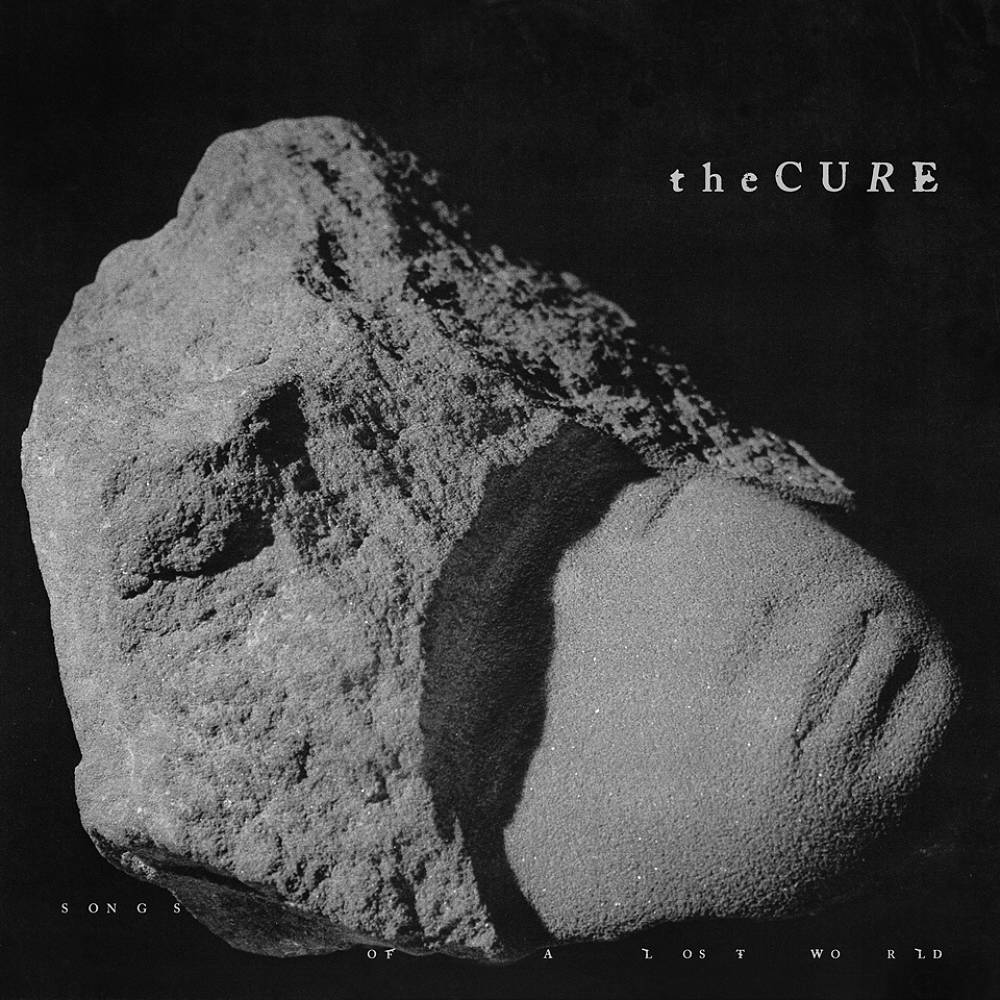
I’ve been so captivated by the Cure’s latest, and find it so perfect for this bleak time we find ourselves in, that I started making plans to write a full essay about it. As often happens, I ran out of capacity to do that at the end of the year, which was a bummer. This capsule review will have to do.
It’s not just me who thinks this is the best Cure album since Disintegration — my timelines were filled with love for it, and it was the first Cure album to top the UK charts in 32 years. Robert Smith himself, perhaps mellowing with age, has made it clear he’s especially proud of his one.
Why is Songs of a Lost World hitting so hard right now? Why does it feel so perfect?
For starters I think it’s because the Cure are possibly more influential than they’ve ever been, thanks to successive new generations embracing their sound and aesthetic and cementing their legend status. It’s worth noting they were never critical darlings in their prime — I remember being disappointed by how little coverage they got in Rolling Stone in the late 80s. Time and history have vindicated them: we’re living in the Cure’s world now. Goth never went away, postpunk has had at least three new waves this century, and shoegaze is more popular now than it ever was in the 90s. The Cure were a major influence on shoegaze, and for this reason and so many more it just makes sense that Gen Z would hold them so dear.
Their influence on other artists has cut across genres for decades: the Deftones, Massive Attack, Nine Inch Nails, Phoebe Bridgers, the Rapture, CHVRCHES, and Bloc Party are just a few of the greats who’ve claimed inspiration from them. One of the wonderful things about Songs of a Lost World is that Smith and company have flipped the script and are now paying tribute to their progeny in turn. Several tracks sound directly inspired by Massive Attack’s Mezzanine (which you’ll recall samples the Cure’s “10:15 Saturday Night”). Others have a distinctly metal crunch — I swear “And Nothing Is Forever” sounds like a metal power ballad. It seems that Smith has been taking notes from the heavier side of the rock spectrum; not only is that delightful but it brings out the melodrama inherent in the Cure’s music. It helps that they now have a guitarist, Reeves Gabrels, who can tackle that heaviness, and the sharp, abrasive edge he brings to their sound is one reason Songs of a Lost World is so gripping.
Gabrels’s guitar is a wonderful counterpoint to Smith’s. Consider that Smith is one of the most distinctive and influential guitarists in the past half-century, and that he hardly ever gets credit for it. This is because he’s more famous for his androgynous, arch-Romantic image and lyrics than he is for his musicianship; and because the standard for being a great guitarist remains mired in the trope of of the flashy, highly technical, Hendrix/Page/Van Halen-inspired axe wielder. Guitarists whose genius lies in playing to the song and creating atmosphere rather than showing off are perennially underrated. But how many bands have built their whole sound around Smith’s minimalist, moody, chorus-y guitar runs? How many entire genres are based on that sound? His guitar style has permeated the culture so much that it’s taken for granted. It seems like it’s always existed, instead of being a specific style that was developed by one young man in Crawley, West Sussex in the late 70s (and this is not to downplay the importance of Smith’s own guitar influences, including Television’s Tom Verlaine and Joy Division’s Bernard Sumner).
All of this is to say that Smith is in fine form here on the guitar. Those pealing, rippling fills and runs are as evocative as ever, while clearing more space for Gabrels to do his thing.
It’s so heartening that this band of sixtysomethings are working hard to keep the sound fresh when they could spin their wheels and many fans would be fine with it. But Songs of a Lost World is still very recognizably a Cure album — it’s not like they’re chasing trends as such. Not only has the band’s sound maintained its integrity but it sounds alive and as powerful as ever. Smith’s voice has hardly changed even though he’s now (it hurts to type this) an old man, and that voice retains its singular ability to convey longing, sorrow, and regret. There’s so much feeling, so much depth, so much detail in Songs of a Lost World — the long intros and outros, the rainstorm sound effects (a direct callback to Disintegration), the orchestral flourishes.
I’ve been a fan of the Cure for 38 years, and I don’t know how else to describe it but this album makes me feel young and depressed and like this is the only thing in the world that matters again. It’s a delicious, aching, scary, transcendent feeling.
That transcendence has to do with the way the album addresses the moment. It’s a dark album for a dark time. The opener and first single “Alone” is very clearly about the apocalyptic mood we’re all feeling during the climate emergency, and rather than clinging to hope, Smith gives us an elegy for a world that is already doomed:
And the birds falling out of our skies
And the words falling out of our minds
And here is to love, to all the love
Falling out of our lives
Hopes and dreams are gone
The end of every song
So Smith fully embraces despair and doomerism here. It’s like he recognizes that this is his role in society and he accepts that, which is touching in itself, but there’s also something cathartic or even ecstatic about it — you can hear that ecstasy in his voice even as he sings about the world ending. It’s exploring darkness for a constructive reason, it’s not merely giving up. That’s what the Cure was always about for me, and for millions of others, and that they’ve risen to the occasion to show us that they can still be that cathartic for us is a source of great joy amid the gloom.
4. Clairo — Charm
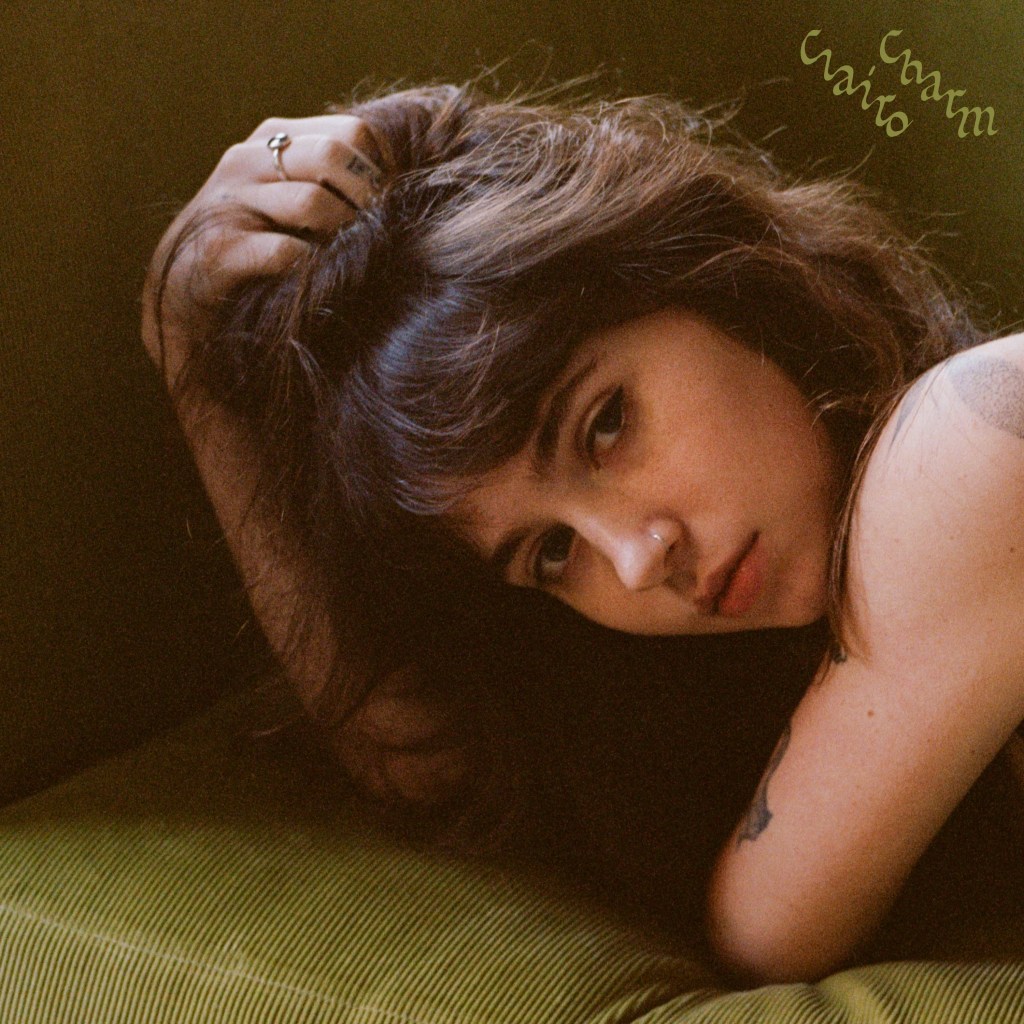
The 70s is a major reference point for young music fans nowadays. If your Instagram algorithm is at all attuned to music you will see the 70s in everything from the ongoing popularity of “yacht rock” to the rediscovery of icons like Joni Mitchell, Linda Rondstadt, and Stevie Nicks. So it’s not surprising that the third album from onetime Soundcloud sensation, now accomplished singer-songwriter Claire Cottrill would so heavily explore the vibes of 70s soft rock, from the feel of the production to the sensuous earth-toned portrait on the cover. Nor is it any wonder that it would be as readily embraced by youngsters as if it were pop (in fact I saw her co-headline Laneway Festival here in Sydney with Charli XCX last week).
On Charm, Clairo weds the sultry, soul-influenced soft rock of Carole King and Laura Nyro with the current aesthetic of “sad girl music” — the hushed, moody indie of wildly popular artists like boygenius and Snail Mail. This is a great concept and even better in execution. Clairo knocks it out of the park with a slate of sophisticated but catchy songs and the very wise decision to rope in Leon Michels from soul greats the Dap-Kings as her co-producer. The arrangements are buttery smooth, deliciously detailed, and dripping with soul. Many tracks are straight-up funky. “Sexy to Someone” is one of the jams of the year, with its bumping beat, awesome synth stabs and fluttering woodwinds offsetting the groove, and a refrain I haven’t been able to get out of my head for six months. Others are more complex and jazzy, or beautifully psychedelic. If an indie album in 2024 is reminding you of Roy Ayers and Curtis Mayfield, good things are happening. It’s a mellow, cozy sound that feels like the sun shining into a comfortable living room in winter (perhaps a 70s living room with green carpet and wood panelling). It’s perfect for Clairo’s subdued but insistent, sweetly melancholy vocals and slyly intimate lyrics like You make me wanna slip off a new dress.
5. Kim Gordon — The Collective
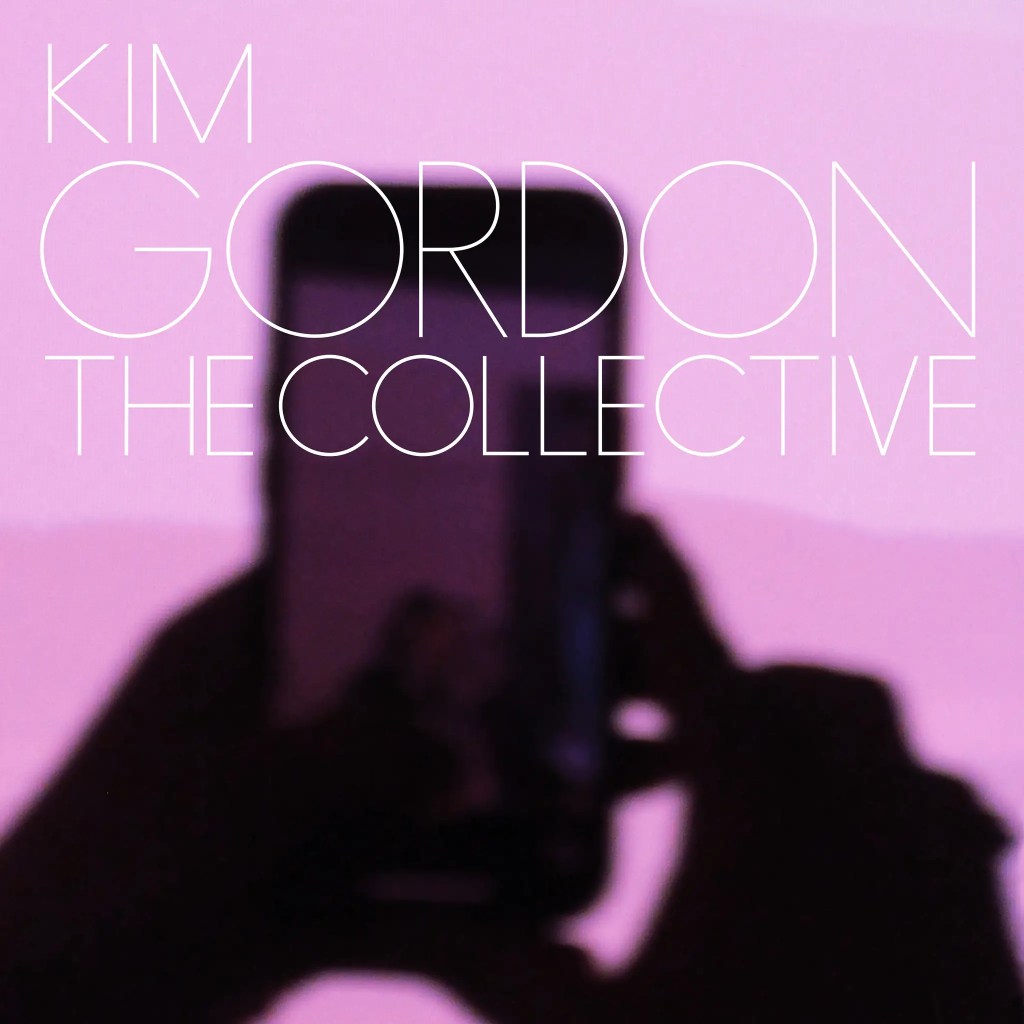
Kim Gordon is now 70: how many other musicians her age experiment so fearlessly and make so much noise? The Collective is the follow-up to her brilliant 2019 solo debut No Home Record. Like that one, it’s characterized by a stunning brand of industrial postrock that ranges from eerie minimalism to a sustained rumbling squall somehow both punishing and elegant. Completely avoiding anything predictable or nostalgic, Gordon has made few concessions to her Sonic Youth legacy aside from the commitment to ruthlessly deconstructing rock. She’s been doing that since the early 80s and this project is like a deconstruction of a deconstruction. Much of it is electronic, trap beats overlaid by brutal synth noise and guitars so distorted they are unrecognizable as such — just an outrageously cool sound that creates a mood I can only describe as engaged dread. I listened to it on my way home from seeing Dune: Part Two and somehow its epic grinding, clanging groove was so perfectly compatible with Denis Villeneuve’s dreamlike sci-fi with its giant otherworldly machines clashing in desert warfare that it seemed like an extension of the soundtrack, or a commentary on the film.
Gordon’s vocals range from cool spoken-word to hair-raising howls, while her impressionistic lyrics comment observationally on the absurdity of life in this dystopian world. Some of it is more like Beat poetry (Tongues hanging out / Bodies on the sidewalk / Driving down Sunset / Zombie meditation), other bits more obviously influenced by and/or playfully satirizing hip hop (So what if I like the big truck? / Giddy up, giddy up / Don’t call me toxic / Just ’cause I like your butt). This is fitting given the trap influence, but also a throwback to the days when old-school hip hop and No Wave shared space on the New York scene of the early 80s.
6. Hello Mary — Emita Ox
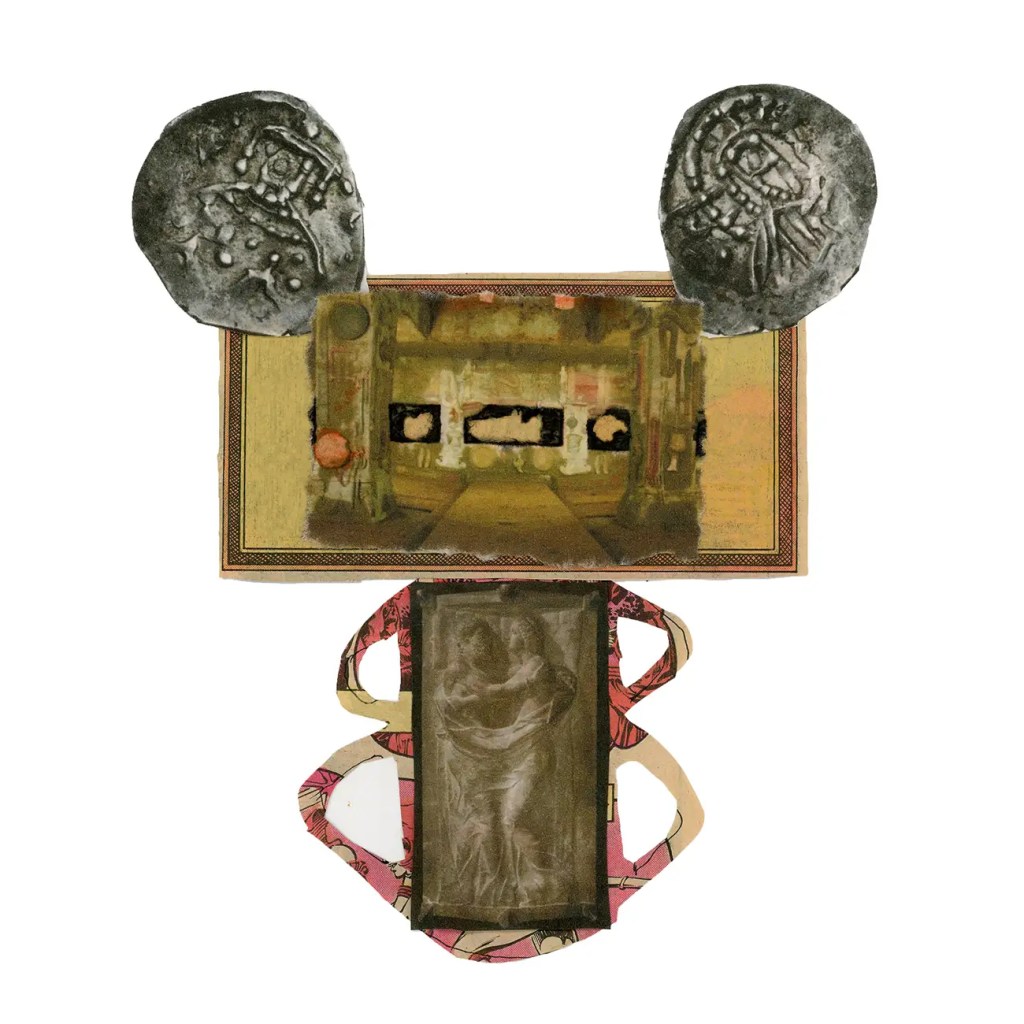
I’m into a lot of bands that are young — well, when you’re my age, every new artist seems young anyway. But Hello Mary are really young. The all-female power trio from New York recorded their self-titled 2023 debut album when lead singer/guitarist Helena Straight and bassist Mikaela Oppenhemier were 18, balancing recording and tour schedules with their college classes; drummer Stella Wave was the oldie in the group at 22.
Their age and relative lack of experience bely the breathtaking confidence and power of their sound. I thought that debut LP was fantastic (I included it on my best of 2023 list), and I expected great things from the follow-up. So did a lot of others: Hello Mary have earned a fair share of hype — the kind that might derail a young band, including a feature story in Rolling Stone before their debut was even released. The sophomore set was produced by Alex Farrar, who worked on last year’s best album, Wednesday’s Rat Saw God, and many others by critical darlings like MJ Lenderman and Snail Mail. It’s clear their label and industry tastemakers take them very seriously. But despite all these high expectations I was still blown away by Emita Ox.
Hello Mary play alternative rock that combines grunge, shoegaze, psych, and even prog as only a band of youngsters who don’t give a shit about genres or gatekeeping can do with such verve. They unselfconsciously cite Nirvana as a major influence — I’m so grateful to have outlived the era when this was considered uncool! — as well as the Breeders, Pavement, and Elliot Smith. But they bring to mind so many other greats too — there’s something about the tension/release and the weight of tracks like “0%” and “Float” that hits like Ultramega OK-era Soundgarden. Straight’s melodic, complex work on “Three” is worthy of Jeff Buckley. “Courtesy” has the melancholy sweep of a Smashing Pumpkins ballad. The playing is terrific, with delicate guitar licks alternating with riffage and chops that are almost metal (Wave is a truly great drummer). Straight’s and Wave’s vocals are great too, powerful with great range. What I’m trying to say is they kick ass.
Even more thrilling than the punch and dexterity of their sound is that their songwriting lives up to it; the album starts strong and finishes strong and its hooks have stayed with me for weeks. I love the epic feel to it all — the unusual time signatures, dramatic strings, Radiohead-esque synth flourishes, and tasty percussion throughout. It’s clear they weren’t just ticking off their sophomore release but setting out to make an album that would stand up for years.
There’s a great bit in this older Big Takeover article when the interviewer asks, “Is it annoying at all that us old people think your music is awesome?” and Wave replies, “No! Because all the bands we like are people your age.” But amid all these heavyweight comparisons, I need to stress that Emita Ox doesn’t sound retro or especially nostalgic at all. It makes alt-rock sound fresh and exciting and relevant to now — not a throwback but a natural progression that happens to be influenced by some classics. This is not rock as it was, but rock as it should be.
Like what you’re reading and want to support? Consider buying me a coffee!
7. Khruangbin — A la sala

I had to doublecheck to make sure A la sala, the mighty Khruangbin’s fourth studio album, was actually released in 2024, because it feels like it’s been with me a lot longer than that. True, it was a long year, but the real reason for this disorientation is that Khruangbin’s music always sounds classic the instant you first hear it. Their signature synthesis of Thai funk, dub, disco, psych rock, and hip hop feels like it should have always existed — so perfectly formed and fascinating it feels like a product of the earth itself, like an ancient monolith. Yet it’s so simple and unpretentious it makes perfect sense it was recorded in a barn outside of Houston, Texas. It’s music that messes with your sense of time, space, and cultural boundaries. The remarkable alchemy of their bass-drums-guitar instrumental triad is especially earthy and grounding, but without a conventional lead singer it also lets the mind wander and drift away, tripping out on the cosmic flickering melodies and half-heard, dreamlike vocal parts floating in and out of the mix. (The view of the stratosphere out of the cozy living-room window on the cover is the perfect representation of this feeling.)
A la sala is low-key in its approach — opening cut “Fifteen Fifty-Three” begins with the sound of room tone for several seconds, so that I often wonder if I haven’t pressed play properly. It doesn’t have a standout cut like Mordechai’s “Time: You and I” — although the impeccably smooth Latin disco of “Hold Me Up (Thank You)” comes close. Still, over 12 tracks it represents the band at their very best, more stripped-down and focused than they’ve ever been, with a bulletproof midtempo groove, and songs that build in a subtle but satisfying way and then stay with you. Laura Lee Ochoa’s liquid basslines in tandem with DJ Johnson’s crisp breakbeats are as soothing as a massage from a lover (no music is more calming and enlivening after a hard day). Mark Speer turns in some of his most sublime guitar work. On “Ada Jean,” his smoldering solo builds to a melancholy Hendrix-like crescendo over the steady groove as the haunting sounds of someone crying echo like a forlorn ghost in the background. Ochoa’s occasional, softly sung vocals — still a relatively new addition to Khruangbin’s game — only add to the cozy tranquil vibe, like butter over warm bread.
8. Julie — My Anti-Aircraft Friend

To continue with a theme from the above write-up of Hello Mary, I don’t feel particularly bad that I’m biased towards young bands who are interpreting the sounds of my youth. Maybe there are artists out there making vital new music that’s entirely alien to my tastes and I’m just filtering out the ones who can be compared to My Bloody Valentine, the same way middle-aged fans went apeshit for “Beatlesesque” bands when I was a kid. Might as well own it.
But I often think of critic Chuck Eddy’s early defense of the Beastie Boys in the pages of Creem in 1987. Eddy justified the Beasties’ then-controversial obsession with sampling records from the 70s: “Be a sourpuss and call it premature nostalgia if you need to, but the current interest in early 70s rock is no retreat… rather, it’s a necessary return to unfinished business.”
That’s how I would defend Julie and other “nugaze” bands: it’s not really about nostalgia, it’s about continuing something that was never finished — getting to hear new excitement and new possibilities in a sound I never got tired of in the first place. As I discussed at length in my article about Ride and the resurgence of shoegaze, it’s especially satisfying that this previously maligned genre has become so popular with Gen Z. It’s a kind of revenge for me.
Julie are from L.A. and everything about them pushes my buttons, from their image (two moptop androgynous dudes and a waifish goth who comes across like “anime Miki Berenyi”) to the cool album cover (they handle their own artwork, which is always a great sign for me) to their truly fabulous sound. They play a muscular breed of nugaze that veers towards the barely-controlled noise and fury of Sonic Youth. I much prefer this kind of asskicking to the wispy, somnambulant sound that many fans of the genre seem to prefer lately (I love Slowdive but they’ve influenced some mediocre bands).
Cynics might point out that there are passages on their debut LP, My Anti-Aircraft Friend, that are almost too much like MBV on Isn’t Anything — from the shimmery, stomach-churning crush of the sound to the alternating male and female lead vocals wafting out of the clouds of fuzz and feedback. “Clairbourne Practice” is almost like a direct interpolation of “(When You Wake) You’re Still in a Dream.” But honestly that’s fine with me! Plenty of 80s and 90s bands could have been accused of aping Neil Young or Television. This is just how music progresses.
Elsewhere they synthesize a wider range of influences — grunge, no-wave, postrock, experimental noise — and display more originality. I’ll keep saying this, but shoegaze shouldn’t be thought of as a specific sound made by specific pedals, anymore than punk is three specific chords, but rather as a tendency that brings together many styles and influences, from psych to electronic. Julie embody this in their holistic approach. You get the feeling they don’t want to be limited by the “shoegaze” tag anymore than Lush and MBV did in the first place. On “Feminine Adornments,” vocalist Alexandria Elizabeth sings of an abusive relationship with a tone somewhere between sorrow and disgust (It’s a lot like you to make it all about you) over a spiky broken beat from drummer Dillon Lee (whose jazz chops really elevate the sound). On “Catalogue” Elizabeth takes on a vague kind of doomerism, with the mournful, almost angry refrain I don’t feel anything now. These are indications that they want their music to speak to the mood of their young audience, and to be about something besides the sound itself. That adventurousness and commitment to actual songwriting are what make Julie stand out, and I expect great things from them in years to come.
9. Lil Yachty & James Blake — Bad Cameo
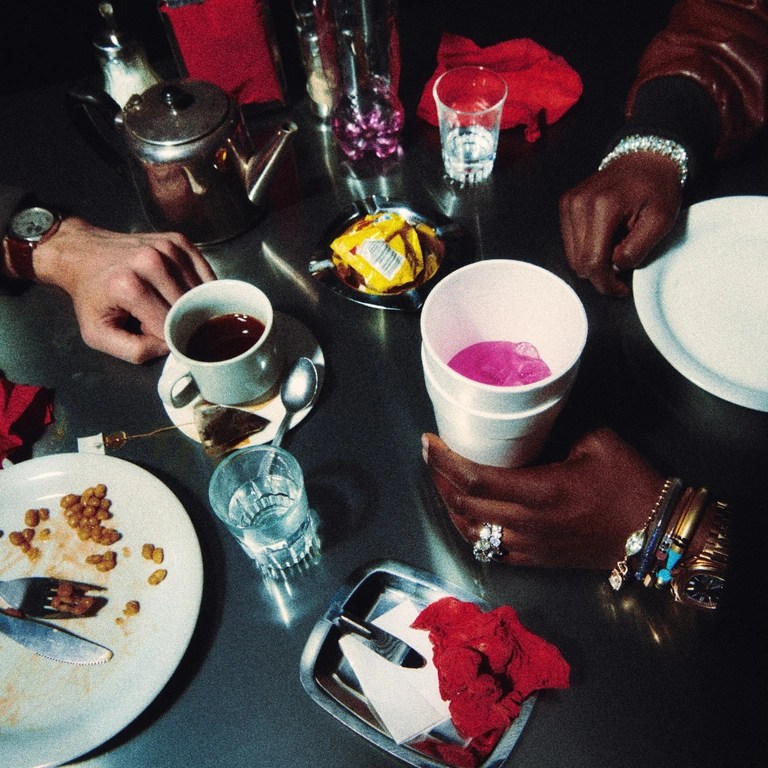
Lil Yachty featured prominently on my list last year: Let’s Start Here is one of my favorite albums of the decade so far, an improbably wild and beautiful journey through psychedelic soul and rock. Yachty makes no bones about being influenced by indie and electronic artists including Tame Impala, and it showed on that album. So when it was announced this year that he’d recorded an album in collaboration with British electronic maestro James Blake, my immediate reaction was “Yes… yes of course!” Like Tame Impala, Blake has long held the respect of Black musicians and has been sought after to work with Beyoncé, Kendrick Lamar, Jay Z, and many others; but until now he’s never done a full collaborative album, and it’s just wonderful that it’s Yachty of all artists who talked him into it. This type of crossover collab is one of my favorite things in life — and I especially love the evident chemistry between the two in their joint interviews. Many superstar collabs are handled remotely, with the artists dropboxing stems to each other, but it’s clear that Blake and Yachty not only have a lot of respect for each other but genuinely get along.
And the thing is, Bad Cameo is about everything you would hope from a collab between these two. The production work by Blake is stunning, majestically eerie synths and wobbly basslines creating an ethereal landscape for Yachty’s freeform rambling bars and falsetto crooning. Blake’s own soulful vocals enhance the recipe and pair surprisingly well with Yachty’s.
On the one hand it’s an electronic superduo as improbable and exciting as the Postal Service. On the other, there’s something very intimate and off-the-cuff about it. It’s the eccentric work of two stubbornly quirky geniuses who didn’t make it for any other reason than they wanted to hear it, like two buddies fucking around in a bedroom studio who also happen to be huge stars. That earned Bad Cameo diffident reviews from critics, many of whom argued that it was unfocused or fell flat. But to me those qualities make it practically miraculous in today’s hypercommercialized and extractive music industry. I’m more than willing to put up with a slight lack of focus if we could have more music made for its own sake.
10. Claire Rousay — Sentiment
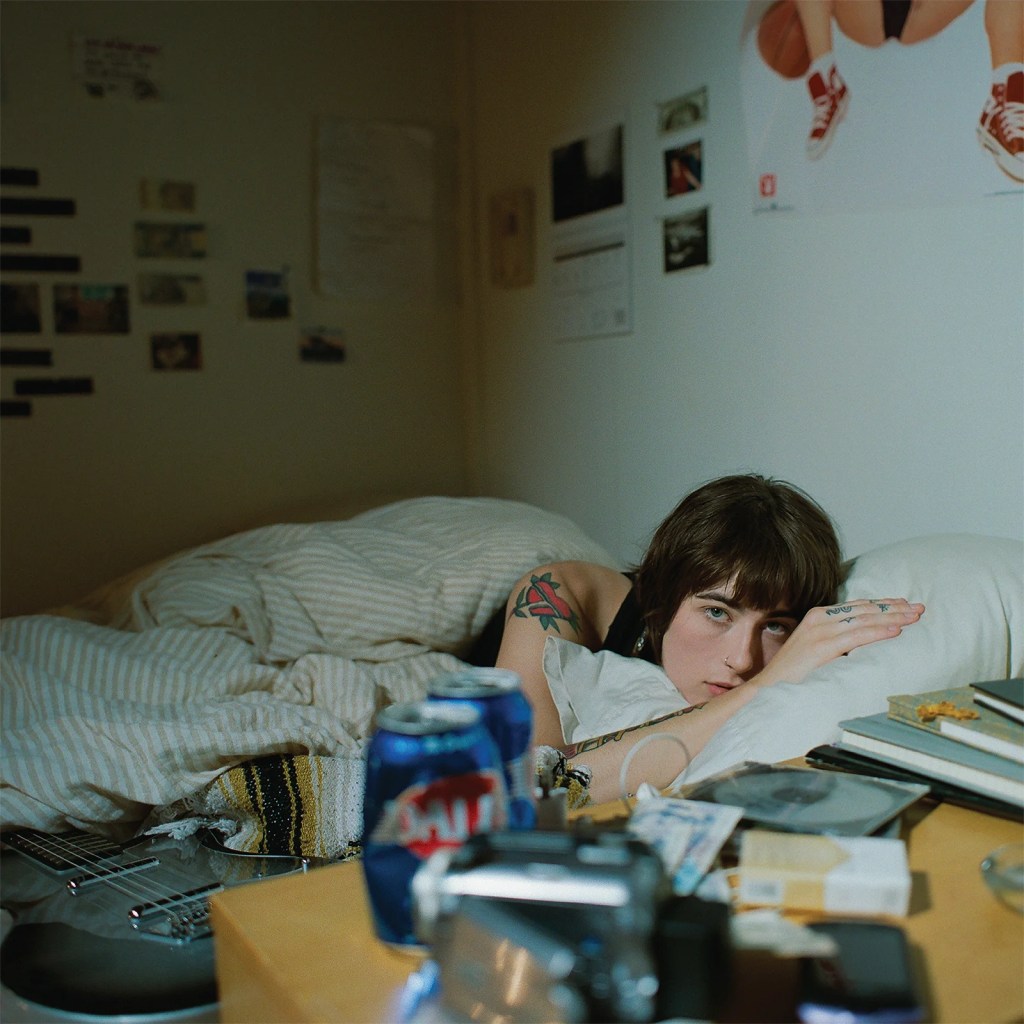
Rousay is a Canadian-born, Texas-raised trans woman who’s carved out a space in the experimental-music world with her ambient works that employ musique concrète techniques, especially sound collages of field recordings. I discovered her a couple of years ago through Spotify’s Women in Ambient Music collection, which was suggested to me by the algorithm — never let it be said that the robots are entirely evil!
Her latest LP is a different beast, however, with a surprising song-oriented direction that could legitimately be called pop. Though Rousay has flirted with pop before on scattered releases, Sentiment is her first album largely made up of proper songs instead of mere sounds. And the songs are good: somewhere between slowcore, with the somber acoustic strumming and stirring strings; and hyperpop, with the eerie but pretty Autotuned vocals. It’s hardly conventional stuff; there’s still plenty of gauzy ambience and droning beauty between and overlaying each track, and some recordings of Rousay talking that are disjointed but seem to be diary entries about depression and anxiety. Rousay is up-front about her mental-health struggles and that provides a serious subtext to the the melancholy beauty of this album. The resulting tension between the experimental, the highly personal, and the unabashedly pop is pitch-perfect and very satisfying.
11. Yasmin Williams — Acadia
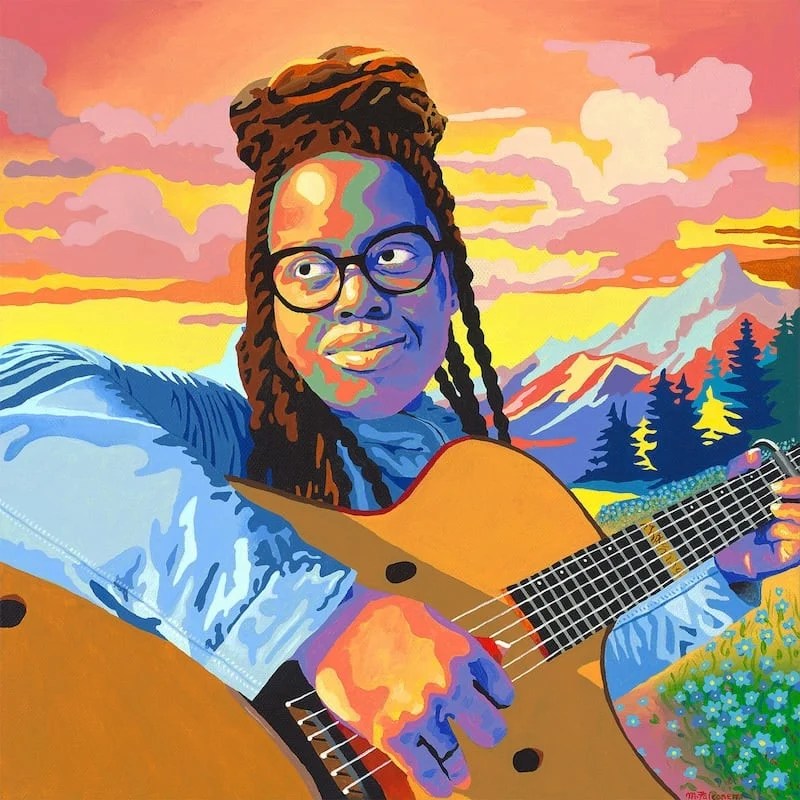
Hailing from Virginia, Yasmin Williams is a folk and country musician and composer and an utterly brilliant guitarist. She’s innovated a technique of playing her instrument on her lap and coaxing amazing and gorgeous sounds out of it by plucking and tapping it with her fingers, as if it was a kalimba (which she’s also mastered, along with many other instruments). I highly recommend following Williams on Instagram for a regular dose of her soothing and inspiring improvised solos to cleanse your timeline.
Whereas her previous work was mainly solo in nature, Acadia features collaborations on nearly every track, with a wide array of artists from the banjo-and-fiddle duo of Alison de Groot and Tatiana Hargreaves to jazz drummer Marcus Gimore and saxophonist Immanuel Wilkins. The eclectic collabs plus Williams’ expansive songwriting result in a sound that’s recognizably rooted in the multicultural traditional music of North America but also has a more searching, lofty, even psychedelic quality. “Sisters,” one of the highlights, features cascading layers of plucked and strummed guitars, along with strings, electric bass, and percussion, crescendoing and falling so you get a cinematic feeling of soaring over a mountainside at sunrise in the summer.
Another thing that brought Williams into the public eye last year was her Guardian commentary on Beyoncé’s country album. In it, Williams takes Beyoncé to task for cashing in on the surging popularity of country without real respect for the history of Black country or the working-class roots of the genre. Predictably, there was a backlash: the Beyhive came after her and many of their comments were very mean. I thought that was shitty, especially because it was Williams’s first-ever published article, but I imagine she knew what she was getting into in challenging Beyoncé in a mainstream outlet, and felt the issue was important enough to go through with it.
Whether you agree with her take or not (I mostly agree, though I don’t like the dichotomy between pop and “authenticity”), the article shows that as up-and-coming as she is, Williams is authoritative on Black country and American vernacular music in general. That level of knowledge and passion really shows in her gorgeous music.
12. Beth Gibbons — Lives Outgrown
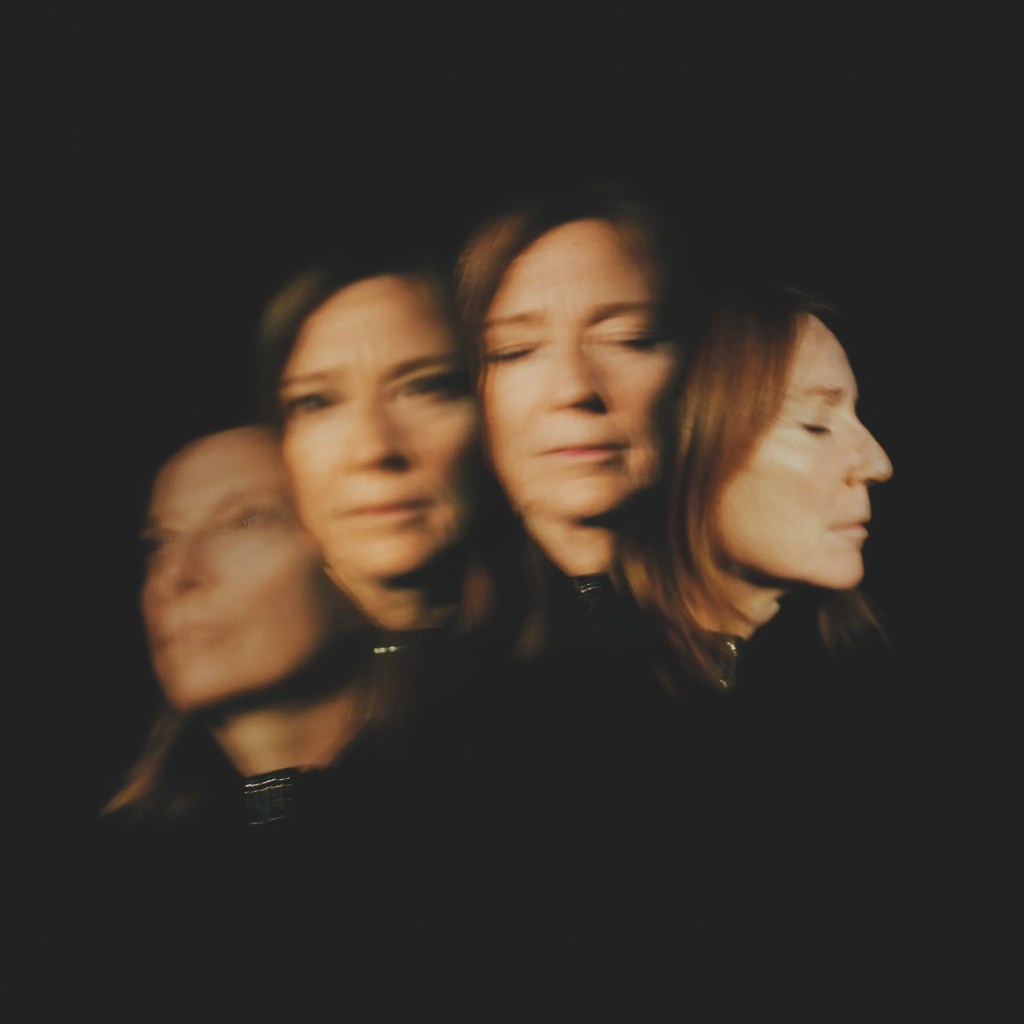
The famously reclusive Gibbons, responsible for some of the most wrenching vocal work of my generation with Portishead, came out of the shadows for her solo debut 30 years after Dummy changed the paradigm. Even as I type it I can’t believe a solo LP from Gibbons took that long, but if any album could be worth such a long wait, this one was: true to form it’s breathtaking, a masterwork that showcases Gibbons at her very best. While consciously eschewing the thumping trip-hop breaks of Portishead, instead mining a more acoustic vein, Lives Outgrown is very much a logical progression from her work with her old band. Gibbons’ keening, dramatic vocals are as powerful as ever, though more mature now — deeper and somewhat huskier, perfect for a collection of songs about aging and grief.
Co-produced by Gibbons and James Ford of Simian Mobile Disco, the arrangements here could be classified as folk — but in a spooky kind of way, somewhere between psychedelic folk and punk folk. Loaded with creative instrumentation and percussion, it has a haunting ambient quality that gives it the feel of an A24 soundtrack, a superb canvas for Gibbons’ aching themes and elegant yet electrifying performances.
13. Rinse — STARFISH*
You’ll notice that shoegaze is mentioned a lot on this list (and on all my lists). Two reasons for this: as I mentioned above, the genre has made a major comeback and there’s so much great shoegaze and shoegaze-adjacent music coming out now. Secondly, for more than 30 years, shoegaze has been central to my whole understanding of music. To me it’s not just a form but a set of principles I use to understand and relate to expansiveness, dissonance, and ethereal beauty in all kinds of music, not just indie rock.
The best thing about Rinse, the project of Melbourne-based musician and producer Joe Agius, is that he seems to see things that way too. Shoegaze is where the conversation usually begins with his music, but it also has characteristics of dreampop, Madchester-style baggy, dance music, industrial, and 80s pop. I’m sure some gatekeepers resent this kind of eclectic, highly polished indie pop being classified as shoegaze, but as someone who was into shoegaze before it was called that, I love it and I think it’s entirely fitting. I’ve mentioned it often (most recently in my takedown of Oasis), but back in the early 90s we didn’t see shoegaze as a phenomenon detached from other forms of indie, or at least I didn’t. I was into Ride and Lush and MBV but also Happy Mondays, Saint Etienne, P.M. Dawn, Meat Beat Manifesto, 808 State, Blur, Deee-Lite, A.R. Kane, and of course hip hop like A Tribe Called Quest and Queen Latifah. Some of it was noisier and darker and some of it was brighter and more pop — and sometimes it was mixed up in weird and wonderful ways, like when Saint Etienne sounded shoegazey or when A.R. Kane made dance pop. It all seemed on a continuum, all part of the same expansive, forward-thinking, funky, adventurous music movement.
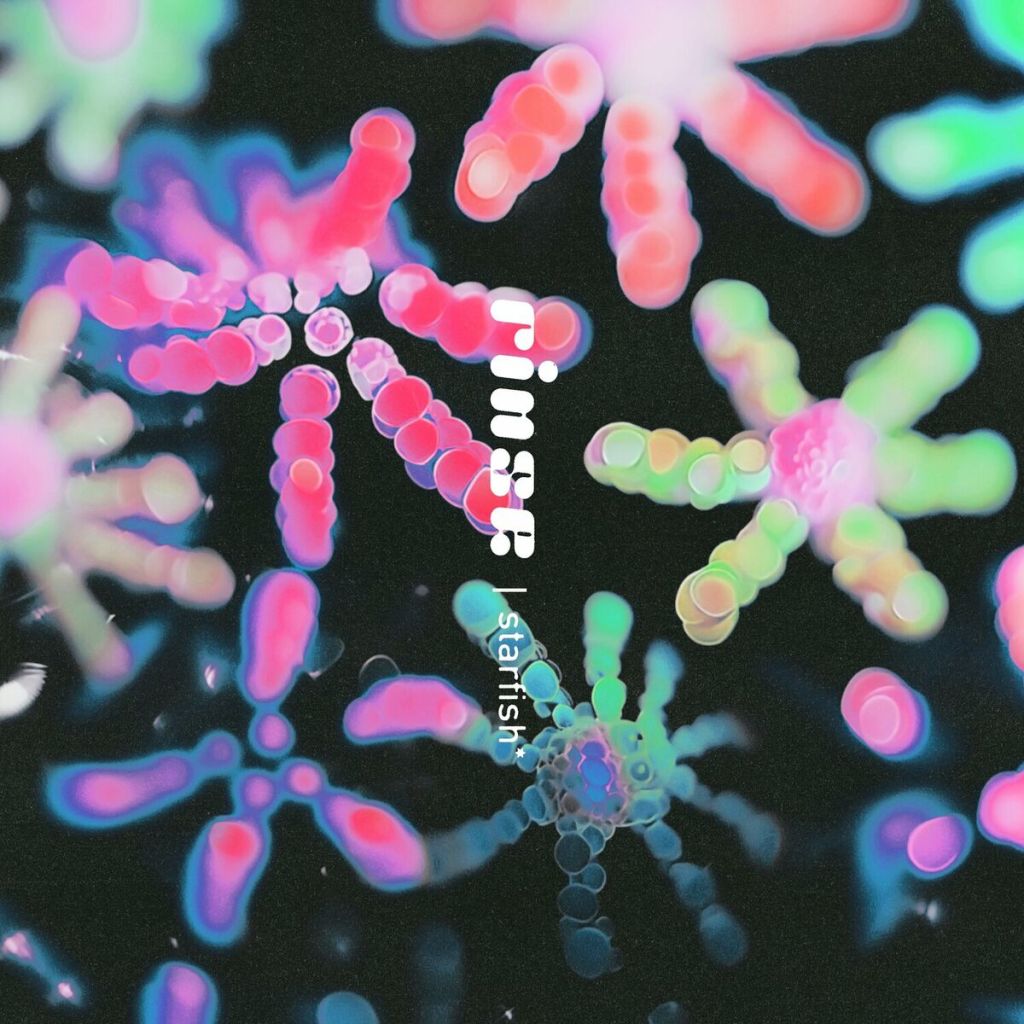
Agius is considerably younger than me, but you can hear many such influences in Rinse. It’s as though he’s closely studied all my favorite music. STARFISH* is a five-track EP, not a full-length, but it’s like a statement about what’s possible with this kind of fusion approach to shoegaze. “Kiss Me (Kill Me)” sounds like if Saint Etienne covered MBV, while “Breathe” is ornate 80s-style synthy art-pop à la Tears for Fears.
Agius is also significant to me because his musical and life partner is the unspeakably brilliant dreampop artist Hatchie, who’s become one of my favorite artists in the past year; she features here on “Kiss Me (Kill Me).” My obsession with Hatchie’s music, which heavily involves Agius as collaborator, has grown to the point that I’m going to have to write a full article about her, which will expand on some of these same points. She’s also soon to drop her third album, which has a good chance of topping my 2025 list, so look out for that one.
Like what you read and want to support? Consider buying me a coffee! You can also subscribe below, and be sure to share this article!
Feature image photo credit: Sam Rockman
 Under the Paving Stones