This is a list of my favorite albums of 2025! It’s my fifth-annual end-of-year list and if you’re a regular reader, you know they’re always late! So let’s get right into it without a long intro!
Several of my new and old favorite artists dropped new albums in 2025, including three who’ve been the subjects of longform pieces by me in these pages. I certainly ate well last year musically speaking. In a year in which both my mom and my mother-in-law died, the genocide continued in Gaza, and my home country lurched toward authoritarianism and civil war, music was about the only good thing happening in the world, and it kept me sane even more than usual.
As I do every year I’ve made a playlist of selections from these albums. It’s at the bottom of the article, but here’s the link if you can’t wait that long and don’t mind spoilers.
The only other thing I’ll add now is that this year I decided to flip the order of the list: to start with the bottom and end with number one. This is just standard practice for ranked lists online and I don’t know why I didn’t do it in years past. I’m sure it cost me lots of reader retention! So if you can’t wait to find out what I ranked at the top, you’ll have to do some scrolling…
14. Whatever the Weather — Whatever the Weather II
Emily A. Sprague — Cloud Time
Jefre Cantu Ledesma — Gift Songs
JJJJJerome Ellis — Vesper Sparrow
Note: I’m ranking all the ambient albums on my list together, not because they’re precisely uniform in quality, but so I can write about them as a group. Which says more about how little I value rankings than it does about how I value these albums…
Ambient music is a big part of my life, but it’s also a utilitarian part of my life. It’s what I listen to when I’m writing or doing homework, doing housework in the morning, commuting, or battling anxiety (which is often). It is, by design, music you don’t necessarily need to engage with directly. Like movie soundtrack music (an obvious point of comparison), it can drift in and out of your attention while setting the entire tone. This might be why I don’t end up writing about it or documenting it on these year-end lists in proportion to the amount of hours I consume it. That’s no knock against the artistry involved. There are lazy ambient producers (more and more lately, as the demand for lifestyle playlists has grown exponentially and ambient music is churned out like any other content). But the great ambient composers of today are worthy of pioneers of the form like Brian Eno, Wendy Carlos, or Kraftwerk.
Ambient became even more important for me in 2025, as I entered crunch time on my librarianship diploma, while at the same time grappling with a great deal of personal tragedy and grief. I had a lot more work to do, and a lot more need for music that was both calming and uplifting. As I listened to more ambient, I found myself demanding more from it. Four new albums rose up out of the hazy, droning run of the mill to become actually important music for me this year.
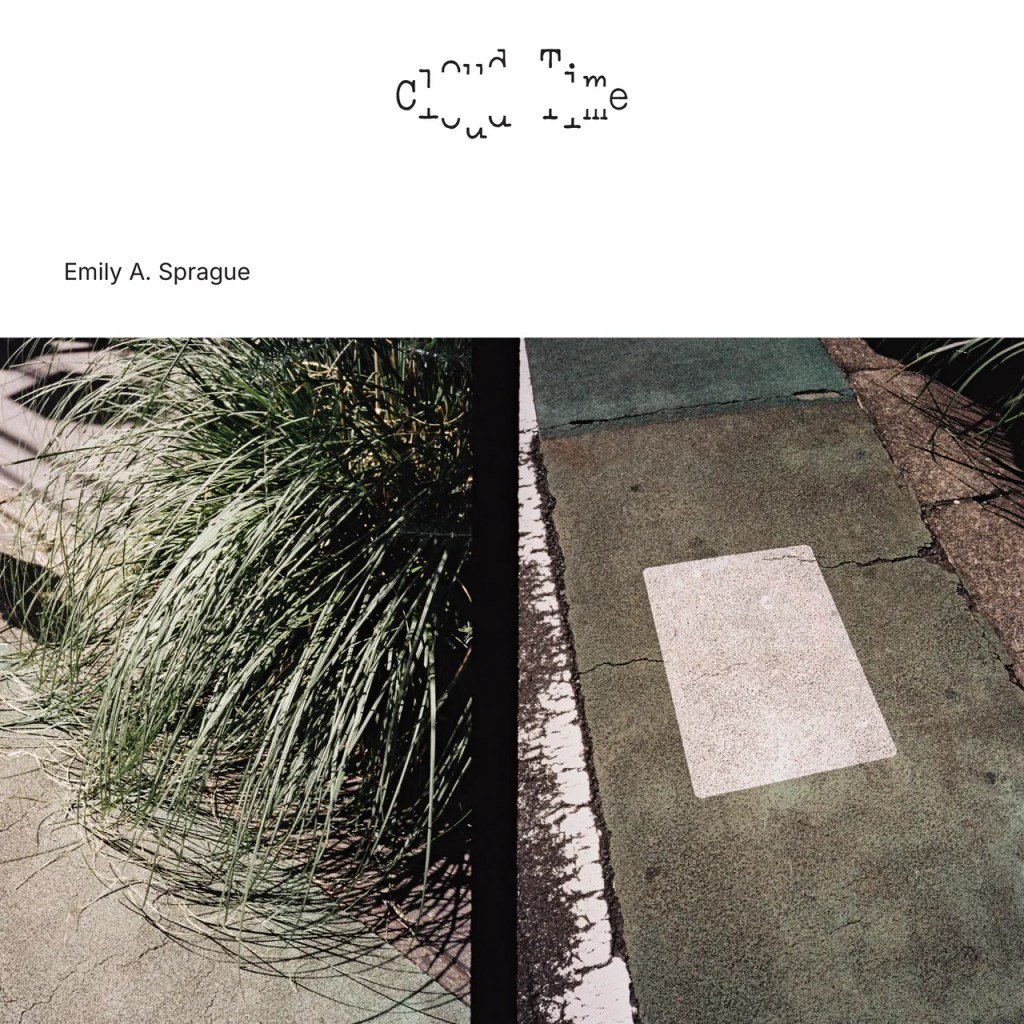
The first two I’ll mention, both produced by women, would seem to fit cozily within the ambient format, with placid soundscapes and swooshy synths — that is if you weren’t paying close attention to their exceptional musicianship and deceptively adventurous approaches. Emily A. Sprague, who splits her time between Los Angeles and New York’s Catskills, makes analogue synth music based, as she puts it, on “the process of loving wherever i am, being present and focusing on a clear channel of communication for mind and emotion.” Cloud Time is a collection of live, improvised recordings made during a recent tour of Japan. True to the title it’s airy and diffuse, with shimmering synthlines that subtly evolve even as they swirl in circles, sometimes lapsing into gentle droning noise. Sprague’s background in folk and indie pop (she first became prominent as a member of the band Florist) might explain why the compositions, as ephemeral as they are, are so soulful and hooky. It’s music that puts me in a better place as soon as I press play.
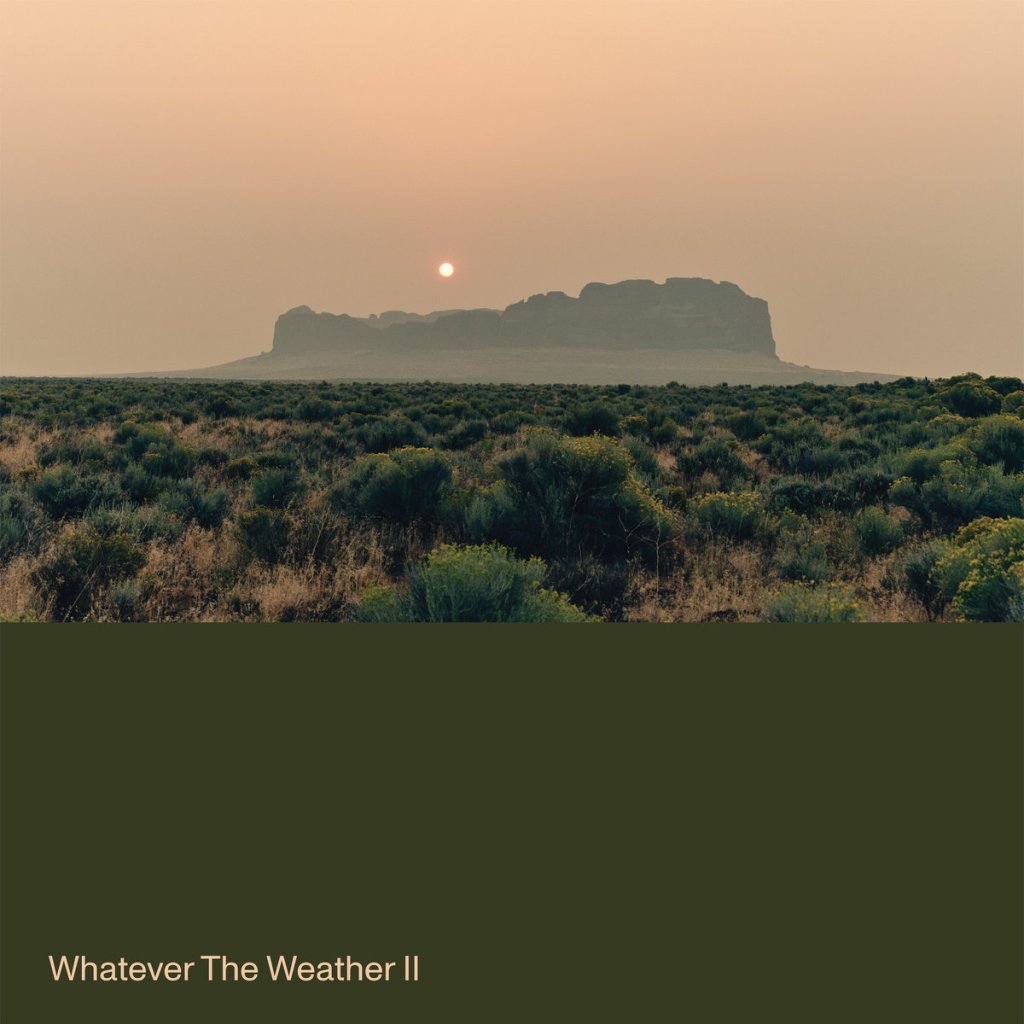
Whatever the Weather is the ambient project of UK-based multi-genre multi-instrumentalist Loraine James. The first Whatever the Weather album, released in 2022, became a go-to in the mornings for me for its lovely crystalline synths offset by glitchier noise and drum & bass. Each track is named after a Celsius temperature, inviting the listener to reflect on the connection (or lack thereof) between mood, season, and music. Whatever the Weather II continues in the same vein (opening track “1°” begins with James muttering, “Bit chilly innit? Proper chilly though. Can’t wait for it to be summer”), but it’s overall a more cohesive listening experience. Unlike a lot of ambient music it seems to be about something, even if that about is largely intended to be read into it by the listener. I listened to this album a lot after my mom died and it seemed to help, whether it was because of its soothing, introspective vibe; the latent melancholy in the melodies; or the field recordings of children playing on “9°.” That James is a Black queer woman in a genre that’s rightly or wrongly perceived to be dominated by white German dudes lends the project extra resonance, even if identity isn’t foregrounded in the synthy instrumentals. As with Sprague, James’s work in other genres and her influences ranging from emo to math rock to funk ensure extra depth compared to most mood music.
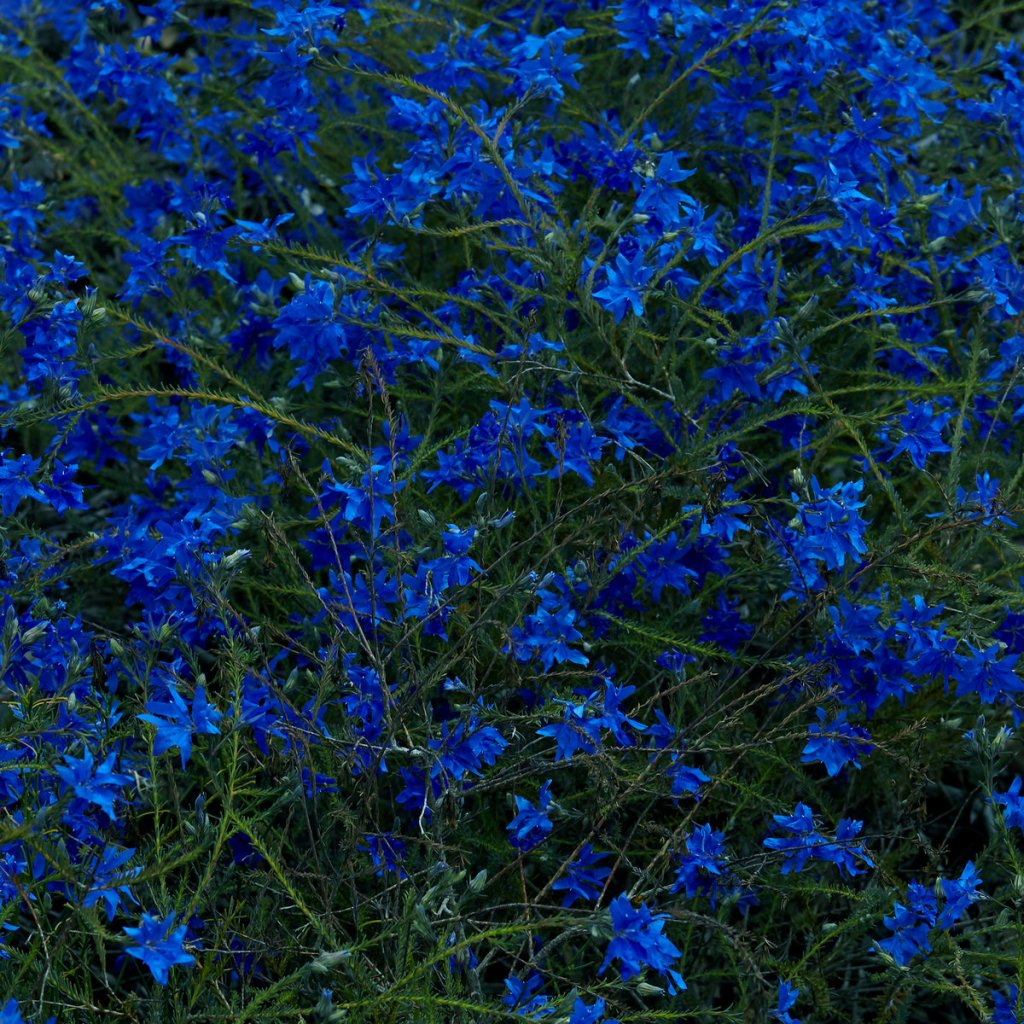
The next two artists might consider “ambient” a limiting term for what they do. Both make music that’s ambient in aim and in effect, but eclectic in style and wildly adventurous and experimental in method. Both work with live accompaniment to create their beautifully unclassifiable sounds. Multi-instrumentalist Jefre Cantu-Ledesma, based in New York’s Hudson Valley, makes “process-based” instrumental music that blends influences from folk to electronic to droning post-rock. From the wildflowers on the cover to the languid pastoral quality of the guitars, synths, organs, and strings, Gift Songs channels the natural world of rural New York (I’ve spent formative time there myself and it takes me back), and nature in general, recreating the meditative mindstate of a hike in the country or on a clifftop by the ocean. Opening track and centerpiece “The Milky Sea” ebbs and flows for 20 minutes with gorgeous tinkling pianos, droning synths, and muted percussion; it was a highlight and a calming refuge in a difficult year for me.
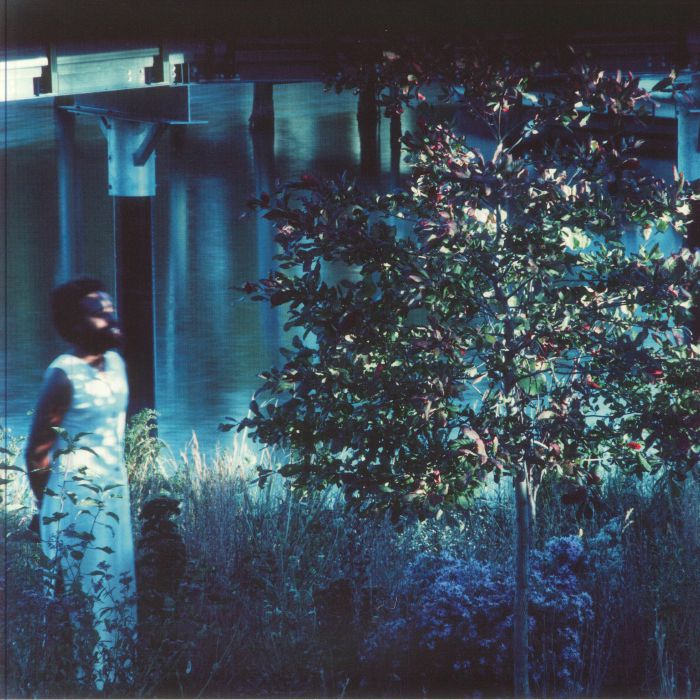
It would be even more limiting to pigeonhole New Yorker JJJJJerome Ellis to a particular genre or even to pigeonhole him as a musician; among other things he’s a writer, poet, and ethnomusicologist. He’s also a stutterer, and foregrounds his disability in his work, particularly as it relates to Blackness (thus the repetition of Js in his artist name). Vesper Sparrow begins with Ellis declaring, “The stutter…. c-can be a musical instrument” (he prefers that his stutter be included in interviews and other written expressions of his speaking). Ellis recorded the live folky-jazzy instrumentals that form the basis of this album at an artist residency in 2019, then later worked in a digital audio workstation to chop, rearrange, and layer the recordings with synth noise, spoken and sung vocals, and occasional trap beats, creating expansive, cinematic sound collages, a process he calls “granular synthesis.” The result is something like an updated version of the 70s cosmic jazz of Pharoah Sanders or Alice Coltrane — at times meditative, at other times thrillingly expansive. Because Ellis’s stutter, or disfluency as he also calls it, is due to a glottal block, meaning that sounds get “caught” in his throat and create gaps of silence when he speaks, silence and empty space are important themes on the album. This is music that should move anyone, but it moves me for personal reasons: my son stutters, and it’s profoundly inspiring to see an artist placing his disability at the forefront and demanding it be celebrated.
13. Cut Copy — Moments
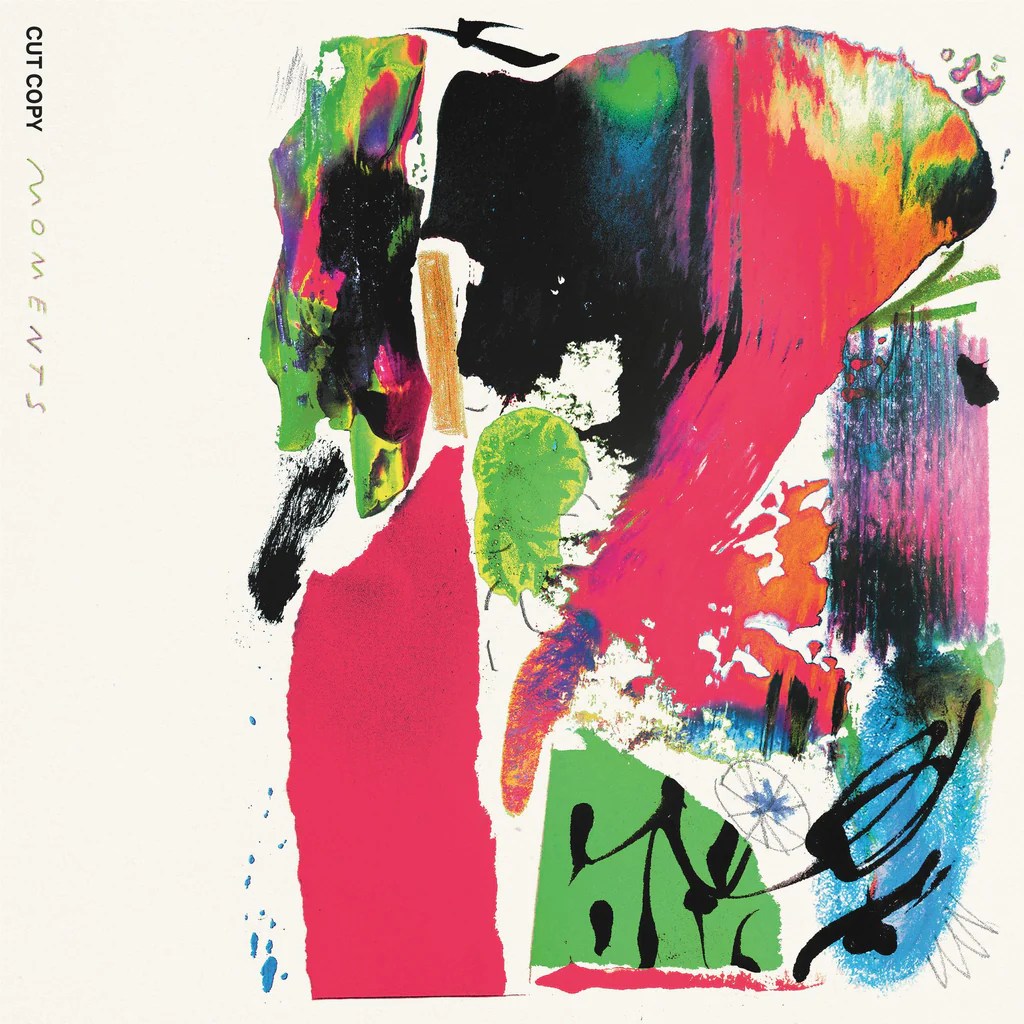
Cut Copy are lowkey one of the most important bands of my life. I first got into the Melbourne indie-dance outfit in 2008, when I was still living in New York (and they were, too, for a time). I saw them live three times that year, and fell in love with their first two albums, Bright Like Neon Love and In Ghost Colours. The euphoric optimism of their retro-rave-rock pastiche became my soundtrack as I got married and prepared to migrate to Australia (my partner is a huge fan too, which makes them doubly significant for me).
Though they no longer threaten the pop charts, the quality of Cutters’ releases remains consistent two decades and counting after their debut. It must be liberating for Dan Whitford and his bandmates to no longer be beholden to Triple J, and to be able to keep making their increasingly sophisticated synth pop on their own terms. Their last album, 2020’s Freeze/Melt, was an instant classic for me. Whitford’s songwriting became more melancholy as he addressed the world beyond the dancefloor, particularly the climate emergency, more than ever before, over a steady midtempo groove and delicate ambient textures. Moments isn’t quite as great as that one, but it’s still really good, and builds on that new maturity. Whitford is so assured laying down a cruisy beat and layering it with bubbling melodic synths, ornate instrumentation, and his silky-smooth vocals. That breezy, almost Balearic vibe (no doubt influenced by recording the album in the hinterland of Byron Bay) in tandem with Whitford’s vulnerable reflections on becoming a father and finding belonging in a harsh world is a delicious push-pull. At the same time, when he glides into an instantly infectious chorus like the one on “Still See Love,” it feels like the hedonistic rush of 2008 all over again. I love all the unexpected touches on Moments — the acid-house 303 on “More Alive”; the choir of children’s voices and the E2–E4 arpeggiated guitar on “When This Is Over”; I swear to god there’s a pedal steel on “Belong to You.” The latter also features lovely guest vocals from American folkie Kate Bollinger, giving it almost a Postal Service feel.
12. Cola Boyy — Quit to Play Chess
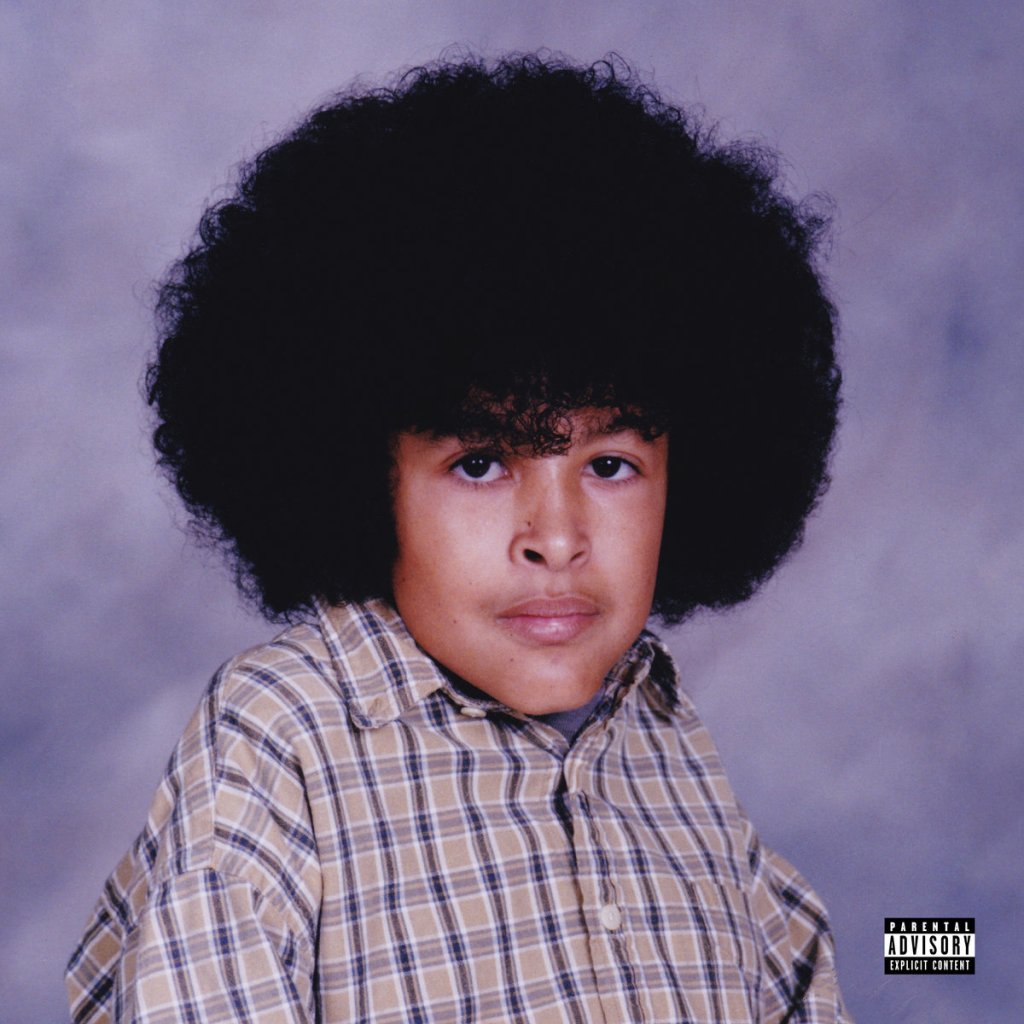
I would find Cola Boyy’s music great no matter what, but his story is so amazing and sad and that lends it extra resonance. Cola Boyy is the artist name of the late Matthew Urango, who hailed from Oxnard, California and became known for his wildly original spin on disco and funk despite multiple disabilities including spina bifida, kyphosis, and scoliosis, before dying in 2024 at the age of 34. Quit to Play Chess is his second and final full-length album, released posthumously last year. Urgango collaborated with the Avalanches, MGMT, Mick Jones, and Nicolas Godin from Air; he played Coachella; he was a disability activist whose politics skewed quite radical; and his community in Oxnard meant a great deal to him, as beautifully shown in his first video, for “Penny Girl.” He had a prosthetic leg, jokingly referenced in the title of his first LP, Prosthetic Boombox.
Quit to Play Chess reminds me of the reasons I became a fan of electronic dance music in the first place. Blending bedroom disco, early-80s-style electro-funk, pop, reggae, and psychedelic indie, Cola Boyy’s music has that same sense of boundless adventure that characterized the music’s early days. It’s as if Urango never got the memo that dance music in the 2020s is supposed to be rigidly formatted and as safe as possible in order to make Spotify playlists and festival sets; it’s as if he rediscovered and recreated the form from first principles. His jams are funky as hell — the bass is seriously bumpin’ — but they’re also unabashedly weird, with odd arrangements, unpredictable changes, and that raw, kind of demo-ish quality found on some of the greatest dance tracks of all time in the 80s and early 90s. Urango’s vocals are comically squeaky and often distorted by Autotune so that he sounds like he just inhaled nitrous oxide. His lyrics sometimes sound like random trippy jokes (I just met the darkest part of me / Hanging with the fish at the bottom of the sea / I thought I was a real one / But down here I do not know anyone); at other times he tells wry stories about girlfriends and drugs like an overgrown teenager. It’s all so much fun and it makes me smile whenever I listen to it. Just the fact that the album’s title is a tribute to Marcel Duchamp giving up art to pursue his passion for chess is so great and funny. By all accounts Urango was exploding with ideas and never stopped recording. It’s devastating to have discovered his genius this past year and simultaneously found out that it was so recently and tragically lost.
11. Turnstile — Never Enough
This is an example of how a live experience can affect the way you hear and rate an album. I’ve been an admirer of Turnstile for a few years now; their previous album and commercial breakthrough, 2021’s Glow On, made the first edition of this list. I wrote, “Music this all-embracing and colorful and fun and improbably beautiful is the opposite of why I gave up on punk.” In 2025, they blew up even more. Off the back of Never Enough they were everywhere, appearing on Jimmy Fallon; premiering a feature-length film at Tribeca Festival; and going viral with a massive and celebratory free gig, a benefit for the unhoused, in their hometown of Baltimore. I liked Never Enough a lot at first, and it hung around the draft version of this list for months. But at some point late in the year I decided I just didn’t feel enough passion to write it up and reluctantly deleted it (reluctantly, because Turnstile are regularly accused of selling out by hardcore gatekeepers, and I wanted to support them on that basis alone).
Then I caught their triumphant sold-out show at Sydney’s Hordern Pavilion in early January, and it shifted my perspective overnight. Witnessing their awesome power and ability to get a crowd of thousands moshing, pogoing, and singing at the top of their lungs made me feel so good about them and about life. Even better is their inclusivity: not only have Turnstile helped make the mainstream safe for loud music and moshpits again, but they embody the best of the punk ethic with their multiculturalism. In Sydney, the crowd was very mixed and there were significant numbers of young women (no doubt inspired by the badassery of guitarist Meg Mills; I know I was). That multiculturalism is reflected in their music — their intensely melodic, emo-ish hardcore is augmented with pop, soul, Latin, and electronic touches. I feel it’s even reflected in their art and design, with the pastel themes and rainbow motifs.
To me Turnstile shouldn’t be judged according to their street cred. All rock is pop music in a larger sense. Like many great rock bands, from Van Halen to Nirvana to Paramore (note that Hayley Williams contributes backing vocals on this album), Turnstile are leaning into pop just as they reach the threshold of great success, and not only is that fine but it’s wonderful. Never Enough packs a punch for sure, but to me its heart lies in the swooshy synths, soulful interludes, and forays into postpunk (“I Care”) and even disco-ish indie dance (“Seein’ Stars”). Even better is the way the pop is synthesized with the hardcore on tracks like “Light Design,” Brendan Yates’s airy, wailing vocals and the layers of crunchy guitars giving it almost a shoegaze quality.
The band opened with the title track in Sydney, a boss move in itself, and the way the entire pavilion sang along was breathtaking. That this absolutely huge yearning hardcore anthem sounds so good as a piano ballad in Michelle Branch’s cover version — that it reveals itself to be such a great song when you strip it down — is one indicator among many of why Turnstile matter so much right now.
10. Blood Orange — Essex Honey
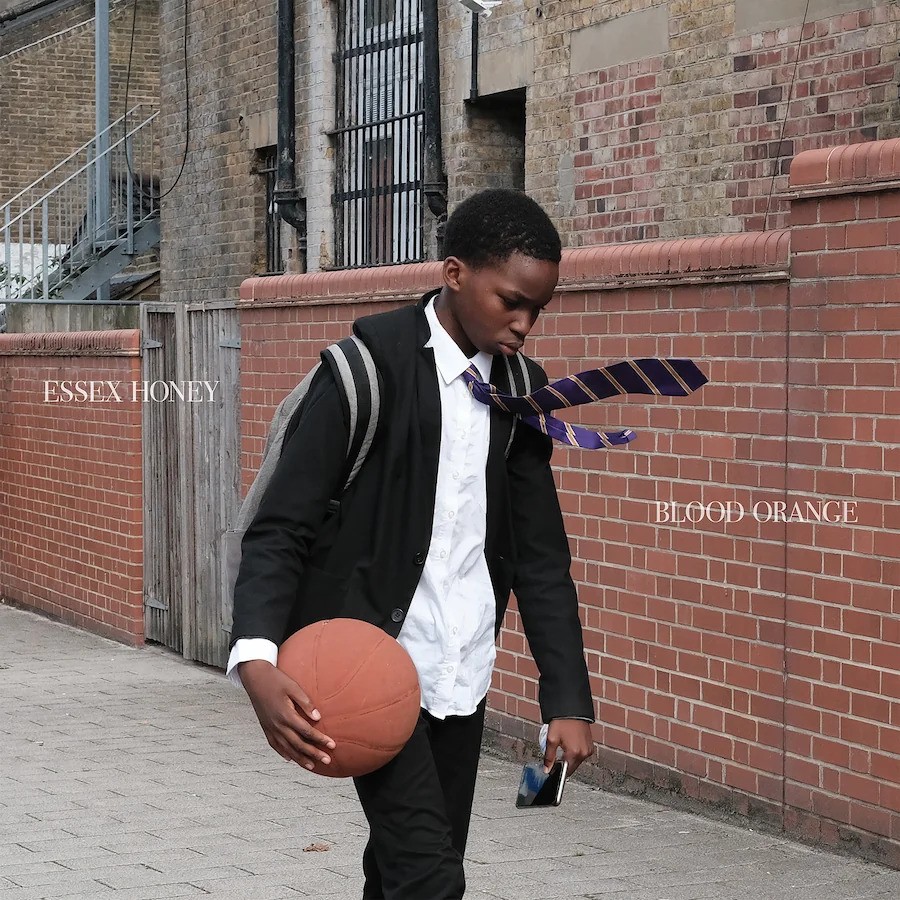
I love Dev Hynes so much for the connections he makes. His latest features guest collabs with avant-pop divas Caroline Polachek and Lorde, legendary postpunk guitarist the Durutti Column (one of my favorite artists of all time), Everything But the Girl’s Ben Watt, and Turnstile’s Brendan Yates (returning a favor: Hynes appeared on Turnstile’s previous album). It would be fair to say the sound of Essex Honey resembles something like a blend of all those influences. The Sea and Cake’s Sam Prekop compared it to Clube da Esquina, the 1972 classic fusion album by Brazilian greats Milton Nascimento and Lô Borges. That triangulation right there — Blood Orange and the Sea and Cake and Nascimento — says it all for me; it’s the perfect explanation for Essex Honey. It’s an intoxicating suite of songs that float and soar but also flit about and abruptly shift direction, reflecting different modes from jazz to postpunk to folk and soul and dreampop like different facets of a gem glinting in the sun. Indeed, it sounds like the Sea and Cake’s Latin-tinged post-rock at times; at other times like what might have happened if Prince, with all his wild experimentalism and wild inconsistency, had made music on a laptop. Its whimsical nonchalance is radical; it refuses to do anything predictable or even do the same thing for more than a few minutes; the first time I listened to it I had to check to see if something was wrong with my phone because of the way some tracks drop out all of a sudden, or shift to something else like a DJ panicking about an equipment malfunction. Yet it’s all so breathtakingly beautiful too, so filled with melody and creativity and soul.
9. Tame Impala — Deadbeat
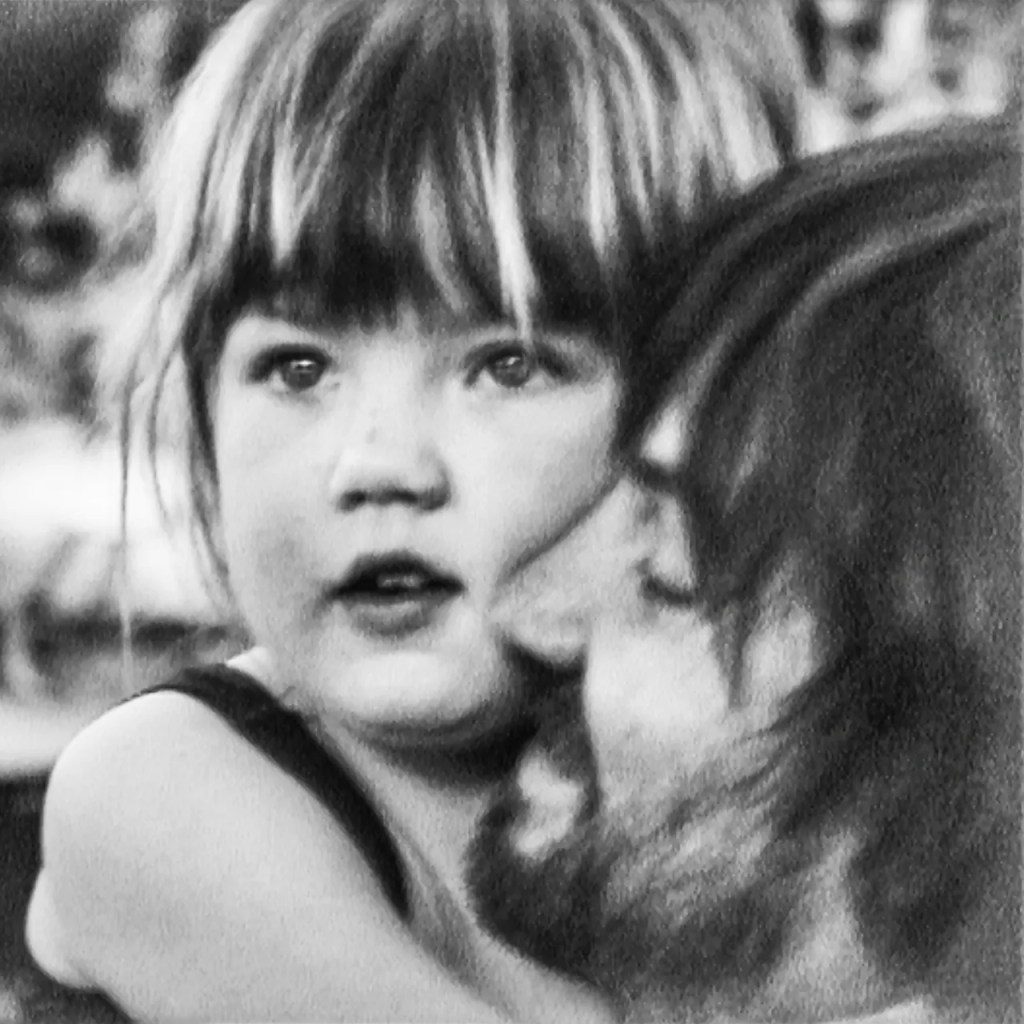
People sure are saying mean things about this album. The critics have been harsh; Tame Impala fans even harsher. There’s a subset of fans for whom Parker going electronic is a betrayal on the order of Dylan going electric. In true gatekeeper fashion, these guys (they’re always guys) dominate online fan forums. It will not surprise you to learn that they hate Deadbeat. I had to mute the fan group I was in after the release in October because I got so tired of their whinging about it.
After being dismayed by all this criticism, and deciding somewhat defensively that I liked the album anyway even if it isn’t a masterpiece, for some reason it surprised me when the Goth-yacht-house single “Dracula” was voted number 3 on the Triple J Hottest 100 at the end of January. Deadbeat may have been rejected by critics and gatekeepers but Parker remains beloved by the masses, especially here in Australia, and retains his ability to move them, even with a song as cheesy as “Dracula” (and when I say “cheesy” I mean I love it).
I’ve written a lot in these pages about Tame Impala. In my essay about his modern classic Currents, I defended Parker’s incorporation of electronic beats into his psych-rock, arguing that even his guitar-heavy first couple of albums had a noticeable electronic sheen to them. I quoted a 2015 interview with Grantland in which Parker talked about his holistic view of electronic versus analogue production:
There’s a lot of talk about, Is it a guitar or is it a synth? I don’t even see the difference, because for me it’s the same thing. It’s just one has a slightly different texture. Usually it’s just what the closest thing was to me when I thought of the song. There’s a guitar there — sweet. Plug it in and do it.
Parker expanded the electronic vibe on the fantastic follow-up to Currents, 2020’s The Slow Rush. I’m on record as saying “Breathe Deeper” sounds “like if Daft Punk collaborated with Hall & Oates” and that its killer acid-breakbeat coda is “like if the Chemical Brothers actually wrote good songs.” When the pandemic hit that year, Parker retreated to his place on the beach in Western Australia and got even deeper into beat-driven music. I think his epic 18-minute remix of “One More Year” is one of the best electronic tracks of the decade. So he’s been doing this for a long time, and it makes perfect sense that Parker would take this final step, that he would eventually shed the guitars and go full electronic. It’s neither a betrayal of his project nor some weird side quest, but a logical progression.
No, Deadbeat isn’t as great as Currents or The Slow Rush; it’s nowhere close. It’s a minor and decidedly flawed work, definitely the weakest album in Parker’s stellar discography. It’s his Tusk — a more indulgent, more experimental, more difficult album that throws fans for a loop after a series of titanic successes. But for all that it’s still really good. This is Tame Impala we’re talking about here! Parker is still the great songwriter he’s always been; there’s a reason “Dracula” won’t leave your head for days after you hear it on Coles Radio. He’s also still got the same killer production instincts. It may be radically stripped-down from the sound of his previous work, but it’s got surpising depth, and the more you listen the more details grab you. Parker has been criticized by some for offering a pale and trendy imitation of house (for example, in the obnoxious Pitchfork review). I don’t think that’s fair at all; to me it’s a pretty unique sound that successfully fuses house, indie pop, and psych, and is worthy of comparison to peers like Caribou and Jamie xx. What is even the point of the dance-music revolution if it can’t continue exerting an influence on rock decades later? And I’m sorry but some of the tracks here are seriously dope, especially “Oblivion,” which was one of my anthems last year. It typifies what works best about the album in the way it builds up slowly from thumping minimalism to a classic Tame Impala workout with cascading vocal harmonies, intricate synths, and jazzy changes.
My favorite thing about Deadbeat is the way it balances moods: the lyrical themes are all about self-doubt, oblivion, being lost, being a loser (You’re a cinephile, I watch Family Guy). But the melodies and Parker’s vocals retain that 70s soft-rock breeziness that he perfected on The Slow Rush, and which makes Tame Impala such perfect music for a summer’s evening, preferably with plenty of beers.
8. Dijon — Baby
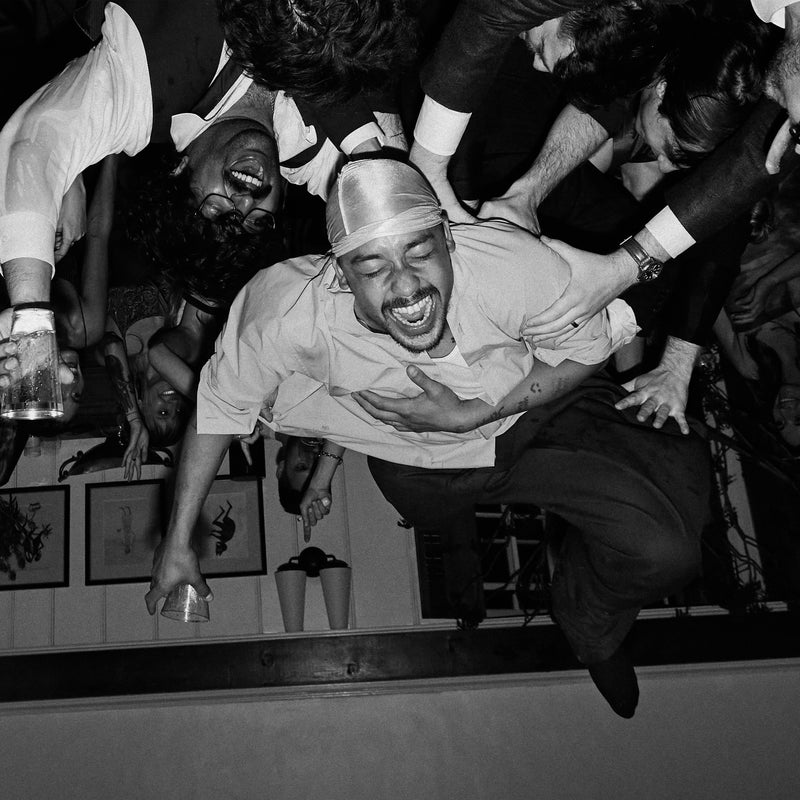
Baby is Dijon Duenas’s second album (his first dropped in 2021) but he’s relatively new to me. I admit I was not expecting to have the producer of the latest Justin Bieber album on my radar, but there you go. Baby grabbed me immediately with its hazy, warped, yet stirring blend of soul, R&B, hip-hop beats, psych rock, and electronic noise. It was later I realized I’d unwittingly been a fan of his production already, specifically on Charli XCX’s “Pink Diamond,” the clattering, ravey opening track on How I’m Feeling Now (which will top my list of the best albums of the decade so far if I ever get around to writing it).
There’s so much energy and life pouring out of Baby’s grooves, however stoned they are; the cover’s riotous, joyous, upside-down photo of Dijon crowd-surfing is an apt illustration of the mood. To me, the way its soul is shrouded in a mist of reverb and echo, and the way its glitched, chopped-up quality somehow makes it even more soulful, suggests a modern version of Sly and the Family Stone’s There’s a Riot Goin’ On. It’s much less of a downer though, with its ecstatic takes on sex and fatherhood.
Other connections occur to me: Baby feels like a noisier, more unhinged D’Angelo (which, to be honest, and no disrespect to a great one who sadly passed last year, I often found myself wishing for). Imagine D’Angelo produced by the Aphex Twin or RZA (there’s a vocal snippet of Method Man on one track to affirm the latter’s influence). I love “Rewind” and “My Man,” the pair of ballads that form the emotional peak of Baby. The grungy guitars and heartfelt, ragged vocals of the former make it sound like Prince doing shoegaze; the latter, like Frank Ocean discovering a gospel shout. It’s gorgeous stuff. Thinking about this album in light of Blood Orange’s Essex Honey and Lil Yachty’s Let’s Start Here, which ranked high on my list two years ago, I’m stoked to be living in a time when soul and R&B are getting so psychedelic and weird and eclectic and explosively creative.
Like what you’re reading and want to support? Consider buying me a coffee!
7. Wet Leg — Moisturizer
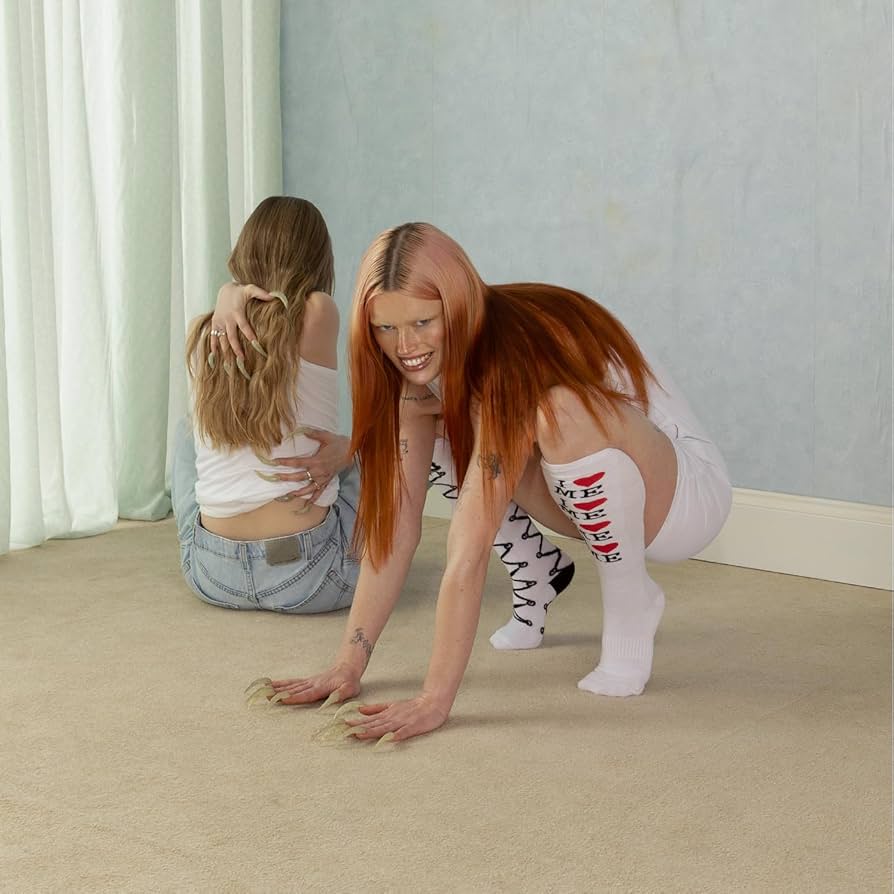
If you’ve read this blog for a while you know Wet Leg are a big deal for me. I wrote a whole thing about the greatness of their 2022 self-titled debut LP. As stoked as I was about the follow-up, my passion flagged in the months before it dropped. The long promo campaigns that are now standard for high-profile albums can be so tiresome, more like branding than hype. In no way is this the fault of the band, it’s just a matter of survival in the industry, but it takes a toll on me as a fan anyway. I don’t want to wear out several singles months before the drop. I don’t want to get tired of seeing the artwork every time I pick up my phone before I even hear the music. It helped that the cover of Moisturizer is an all-timer, with its hyperreal blend of soft, pastel femininity and something much more unsettling and grotesque. I’m still not over it and it deserved its Grammy nomination.
The other thing is that Wet Leg’s fanbase can be pretty toxic. This is a phenomenon I’m very familiar with from years of running a Bangles fan page: a female-fronted band with a large male fanbase who by turns objectify or demean them. Wet Leg’s savvy revisionist take on indie rock appealed to lots of older male fans immediately, as did their playfully feminine cottagecore aesthetic. I quickly discovered that fan groups were overrun by guys perving on their looks, or downplaying their enormous talent and promoting sexist narratives about ghostwriters and fluke success. When I shared my article in one group, some actually got upset that I didn’t talk more about the three guys in the band, as if that were some grave injustice.
They became even more insufferable when Moisturizer started rolling out — vexing about Teasdale’s brash new look and more overt feminism; homophobic remarks about her love life; and dumb conspiracy theories about guitarist Hester Chambers’s habit of turning her back to the audience (purportedly a sinister move by Teasdale to steal the spotlight!). I got frustrated with all this to the point of burnout. I’m pretty sure Teasdale was frustrated too; I can imagine all the yucky attention from male fans is what inspired “Catch These Fists” (Yeah don’t approach me / I just wanna dance with my friends), and, really, everything about the band’s new vibe. Man down. Level up!
All this peripheral stuff evaporated as soon as I pressed play on Moisturizer. It’s a kickass collection that defeats the sophomore slump as surely as it defeats the male gaze. It may not have any one tune that tops the debut’s exhilarating highs like “Angelica” or “Too Late Now,” but if anything it’s a more solid, more consistent album that shames all those who doubted their songwriting chops, and shows a band that’s serious about the long haul.
My favorite thing about Moisturizer is how rock ’n’ roll it is. I banged on about rock ’n’ roll a lot in my review of the debut, and later felt a bit embarrassed about that, as if that was just showing my age. But Moisturizer displays a real commitment to the form, with blistering, guitar-heavy workouts like “Catch These Fists” and “CPR” that call back to generations of short, sharp, rambunctious rave-ups from the Stooges to Blondie to Elastica. On tracks like “Mangetout” and “Pond Song,” Wet Leg swing into that chugging midtempo Velvets–Modern Lovers–Cars–Strokes groove better than practically any band out there. It’s all so much fun, with songs about horror movies and seducing BBC presenters. Teasdale has improved as a vocalist: her opera-trained yelps and purrs and growls and spoken-word asides are more charismatic than ever, and her rock balladry (“11:21”) more affecting than ever. That she’s redefining rock, stripping it of any remaining masculine excess, making it more relevant to a new and decidedly nonbinary generation, is the most rock ’n’ roll thing of all. If the fanbros can’t see that, that’s on them.
6. Djrum — Under Tangled Silence
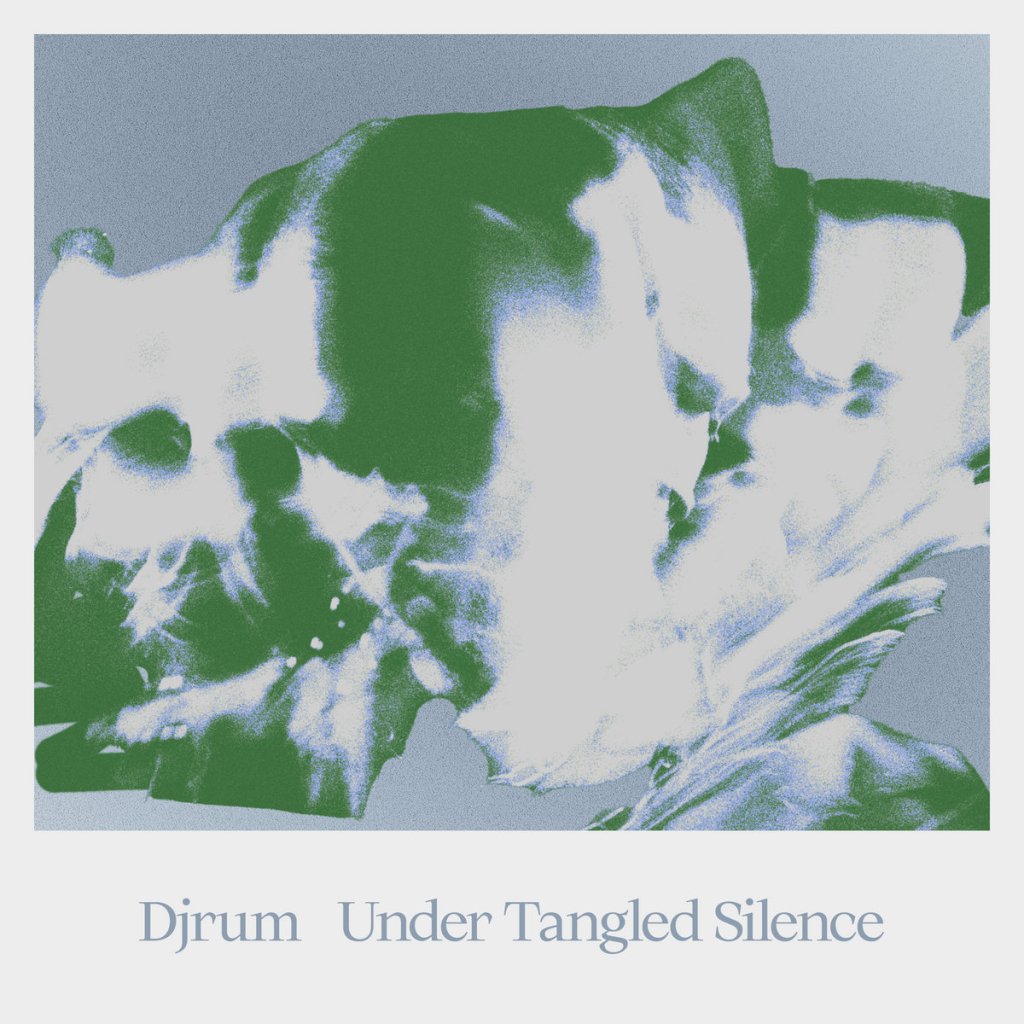
I’ve been a fan of Djrum, the stage name of British electronic producer Felix Manuel, for the past decade or so (there’s a Djrum track on this mix of mine from 2021). Variously producing experimental drum & bass, leftfield techno, jazz, and ambient, but largely defying genres, he’s brushed up against the mainstream recently with his expansive, cinematic music, occupying a niche previously held by the likes of Boards of Canada or Burial. Under Tangled Silence is probably his best album yet, a masterpiece of sick beats fused with genuinely gorgeous classical, jazz, and experimental sounds, as Manuel centers his live piano playing more than ever. For me it combines the pleasures of BoC, Erik Satie, Aphex Twin, the ambient works listed above, and the euphoric breakbeat house of the 90s that’s one of my true happy places in music (“Waxcap” makes me feel like I’m coming down from a pill in a field somewhere at sunrise circa 1993). Djrum’s complex beat science and his broad-ranging eclecticism are a big step up from most 90s rave producers though. I just love the way he can build a track like “Galaxy in Silence” from his lovely piano intro to sci-fi synths and a brutal leftfield beat, then conclude with Zosia Jagodzinska’s devastatingly beautiful cello, the whole thing suggesting epic narratives filled in by our imagination. The album as a whole cycles confidently through moods and modes in a similar manner — Jagodzinska’s cello and Djrum’s synths soaring together on the beatless “Reprise,” which gives way to the manically pretty Four Tet-like workout “Three Foxes Chasing Each Other.” It can be enlivening background music during school dropoff on a crisp winter’s morning, or something much more substantial and worth engaging with closely deep into the night.
5. Stereolab — Instant Holograms on Metal Film

If you were to ask me to name my favorite band, there are a handful of possible answers depending on mood and context, but the one that comes to mind most often is probably Stereolab. I’ve been a fan for over 30 years and their music has been a constant in my life even as other artists, styles, and genres come and go. I’ve seen them live more than any other band and have been blown away every time, most recently here in Sydney in March of 2020, less than one week before COVID lockdown. When I thought the world might be ending I remember thinking that if the mighty Stereolab were to be the last live band I ever see then I would be okay with that.
And I think the reason my love for them has remained so consistent is because of the remarkable consistency of their output. Not only is there no such thing as a bad or even mediocre Stereolab album, but they’re one of those bands who perfected a formula many years ago (on 1996’s Emperor Tomato Ketchup, to be exact) and don’t really need to change anything about what they do. Instant Holograms, their first proper album in 15 years, sounds like a classic Stereolab album, but it also sounds as fresh and relevant as any music being made today, which is amazing for a band in their 60s. I know “timeless” is a cliché, but there are specific things about their sound that make this timelessness possible: the Krautrock, jazzy lounge music, and analogue electronica they’ve long mined for inspiration will never sound old; nor, apparently, will Lætitia Sadier’s ethereal vocals. The themes of power, dialectical history, and revolution, which inform both their playfully surreal lyrics and the structures of their songs (and are based as much on Marxism as on science fiction), make them seem like prophets from outer space. Drummer Andy Ramsay has long provided such a solid and distinctive rhythmic framework for their cosmic sound — the hardware powering the spaceship as it were. No band can compare to Stereolab when Ramsay kicks into that motorik groove, like he does halfway through “Melodie Is a Wound,” and the complex lattice of synths and guitars and Sadier’s beautiful trombone parts take flight and swirl and soar around it.
Timeless it is, but Instant Holograms is definitely a product of its era too, with pristine, panoramic production and knowing nods to current electronic and indie pop. There are more drum machines than on previous albums, and it sounds to me like they might have been listening to some of the artists they’ve influenced, from Caribou to Boards of Canada. I swear, “Electrified Teenybop!” hits like a Tame Impala track with its percolating disco synths over droning psych-rock. While I accept that the noisier Stereolab of Transient Random-Noise Bursts with Announcements is probably never coming back (on record anyway), I’m grateful that its influence lingers on in some of the more muscular tracks here, including that one and “Esemplastic Creeping Eruption.” My favorite Stereolab mode has always been when they combine the loungy stuff with the noise, like on 1994’s Mars Audiac Quintet, one of the greatest albums of all time. The beauty of Instant Holograms is that it not only calls back to but sits very comfortably next to those wondrous achievements.
4. Clipse — Let God Sort Em Out
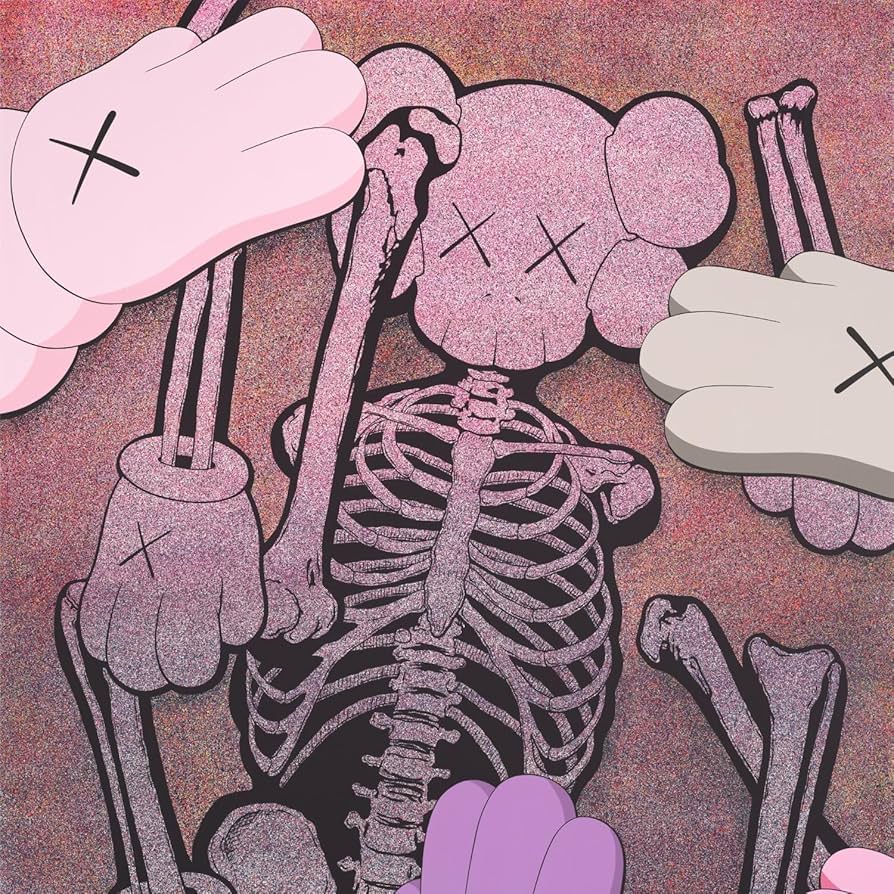
Bear with me while I mention Justin Bieber for the second time in this article: Bieber raised eyebrows last year when he shared a post by Kerwin Frost (yeah, I had to look him up too) who said (in the middle of praising Bieber’s new album) that Clipse is for “bitter grown men who collect KAWS dolls.” Beebs quickly deleted the post when the dis was pointed out to him, but the sentiment made me smile. I don’t have any KAWS dolls but I do have a KAWS sweatshirt from Uniqlo, which should be embarrassingly basic enough to qualify. I’m definitely a bitter grown (now old) man, and I think the new Clipse album is dope! As is the cover art by KAWS.
I think it hit me even harder because I’m late to the party. Despite being precisely the generation of 90s hip-hop head this album is aimed at, I missed the hype on Clipse during their heyday in the 2000s. At that time I’d decided hip hop was on the decline, and most of what I heard every morning at work on Hot 97 and Power 105 left me cold. Better late than never, I guess, because Let God Sort Em Out, the first Clipse LP after a 16-year hiatus, is one of the greatest hip-hop albums in years.
What I love most is that while it certainly has a classic sound, especially compared to modern rap (which I happen to like much more than most heads my age), it’s hardly a throwback to the boom-bap era either. Pharrell Williams’s production is lush, chilly futuristic synths alternating with lavish blues, gospel, and soul workouts (I was not the first to think that “Chains & Whips” would fit perfectly on the Sinners soundtrack). All this without compromising the brutal 808 kicks mandatory for the hardcore sound. Pusha T and Malice have always been highly regarded MCs but with this album they have to be considered two of the best in the game right now, even considering guest shots from Kendrick Lamar, Nas, and Tyler, the Creator. There’s not one weak bar from the pair on the entire LP. There’s lots of stuff in the lyrics about feuds with Drake, Kanye West, and others; but I care little about real-world specifics. With delivery this imperious and flow this impeccable they could be rapping about sourdough techniques and it would still make my hair stand up. Tales of revenge and tragedy in the drug trade also abound, of course (The things I’ve seen under my eyelids / Kaleidoscope dreams, murder, and sirens), but there’s so much playfulness too, with a blizzard of pop-culture references and endlessly inventive nicknames for cocaine. Malice’s verse on “Ace Trumpets” is so masterful in its flow and wordplay it makes me do that thing where you’re laughing out loud in awe:
Persona non grata, mi casa su casa
Drugs killed my teen spirit, welcome to Nirvana
You was Fu-Gee-La-La, I was Alibaba
Dressed in House of Gucci made from sellin’ Lady Gaga
The maturity that comes with age, loss, and disappointment adds depth throughout. Opening track “The Birds Don’t Sing” kicks off the album on a melancholy note as Pusha and Malice recount painful real experiences of losing parents — which of course resonated with me because I lost my own mom this year. The chorus is sung by John Legend and features a line borrowed from a famous rant by Werner Herzog in Burden of Dreams: The birds don’t sing, they screech in pain. That combination of relatable grief, soulful camp, and knowing humor set to blistering beats kept this LP high in my rotation for months.
3. Wednesday — Bleeds
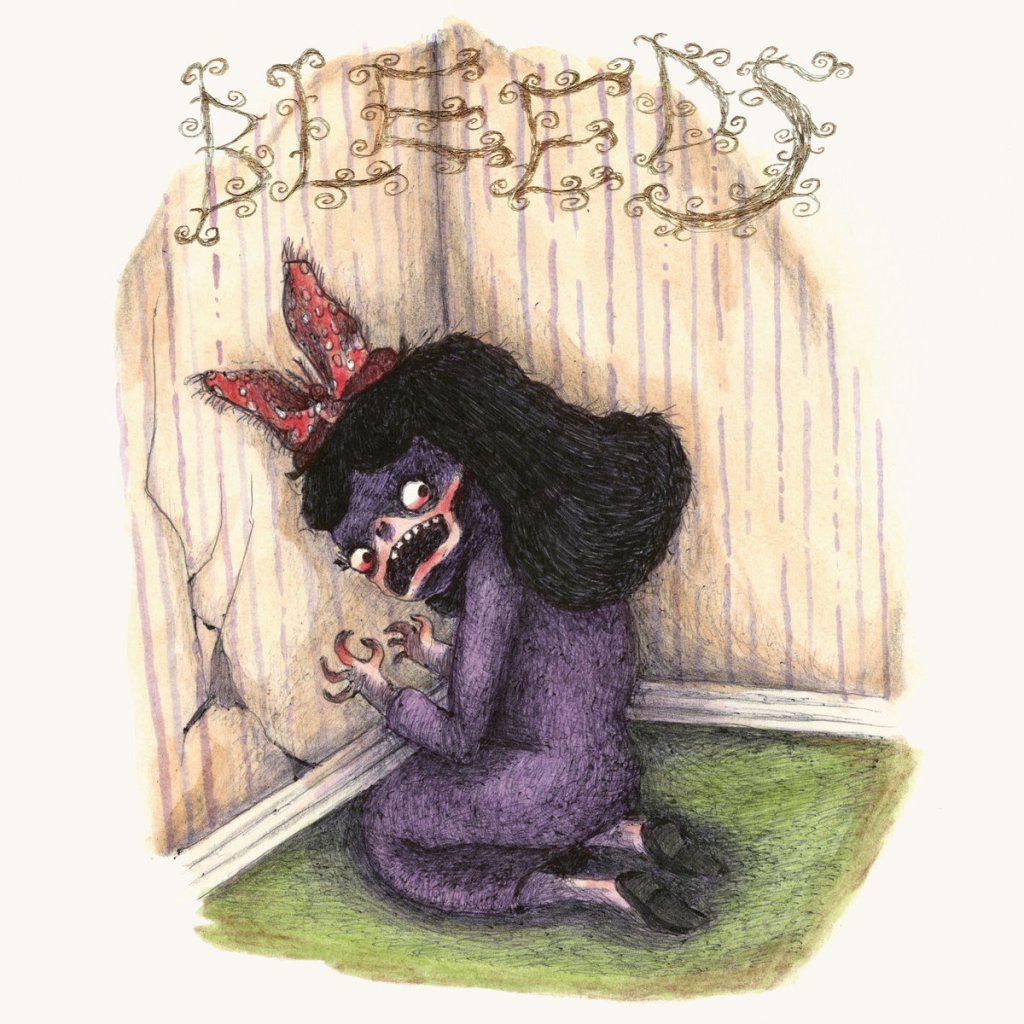
I wrote about Wednesday’s phenomenal debut album, Rat Saw God, in 2023, and got into how it tied together the country I was raised on with the shoegaze and grunge that changed my life as a teen, as well as the way lead singer and songwriter Karli Hartzman’s Appalachian mythmaking spoke to me personally. I also suggested that, despite the gigantic noise the band are capable of unleashing, and Hartzman’s unearthly primal screaming on anthems like “Bull Believer,” she had it in her to reach the masses and be the next Bruce Springsteen or Tom Petty, a heartland icon for Gen Z, thanks to her wrenching storytelling and her way with a song.
Well, Wednesday are bigger than they’ve ever been, especially after now-departed lead guitarist (and Hartzman’s ex) MJ Lenderman blew up with his 2024 solo debut Manning Fireworks. And if Hartzman were really out to conquer the mainstream, she fired a terrific opening shot in her campaign with “Elderberry Wine,” the first single from Bleeds. In my mind the single of the year, it’s a genuine, honest-to-George Jones country ballad that deserves to be drunkenly sung along with around jukeboxes for decades to come.
As much as I loved “Elderberry Wine,” I worried that the sophomore album would tone down the noise and lean more into balladry in the way Lenderman did on his album. I’ll be honest, I think Manning Fireworks is good, but puzzlingly overrated compared to Wednesday. There isn’t a band on earth that sounds like Wednesday when they start to cook, whereas lots of other artists do the sad-boy Americana thing Lenderman does; and his songwriting, while top-notch, doesn’t compare to the piercing grandeur of Hartzman’s either. The more he was hyped as the next Neil Young, the more memes I saw about his country-boy good looks, the more he overshadowed Wednesday, the more I started kind of resenting him, which didn’t feel good. I even have a (no doubt childish) fan theory that Hartzman dumped Lenderman and fired him from the band because she feels the same way!
Anyway, my fears of them going soft were not founded; opening track “Reality TV Argument Bleeds” seems to pick up from “Turkey Vultures” with its shimmery droning building up to an explosive squall of guitar and lap steel. Yes there are more quiet moments and less screaming on Hartzman’s part, but this may be to preserve her vocal cords more than anything (she’s admitted that singing “Bull Believer” every night on tour is taxing). It also showcases another great set of songs. Hartzman is more comfortable wearing her country heart on her sleeve (closer “Gary’s II” makes me feel like I’m riding with my dad in our Dodge van listening to Will the Circle Be Unbroken circa 1980), but she hasn’t given up on her patented haunted countrygaze in songs like “Carolina Murder Suicide.” Her lyrics are as affecting as ever in telling the hazy, jangled stories of disaffected Southern youth; like this memorable bit from “Phish Pepsi”: We watched a Phish concert and Human Centipede / Two things I now wish I had never seen / We smoked weed out of a Pepsi can / Lyin’ around under a Christmas tree. If anything her songwriting is more raw and personal than on Rat Saw God, because it is, after all, a breakup album: I oversold myself on the night we met, she sings on “That’s the Way Love Goes.” I’m not as entertaining as you might’ve thought I was then
Best of all is when Wednesday combine all these elements, the wall of sound and the beauty and heartbreak melded together, on songs like “Wound Up Here (By Holdin On),” Hartzman wailing Scratch-off ticket for the education lottery / Found him drowned in the creek, face was puffy as the band grinds along like a massive machine digging a grave in an Appalachian hillside.
2. Miki Berenyi Trio — Tripla
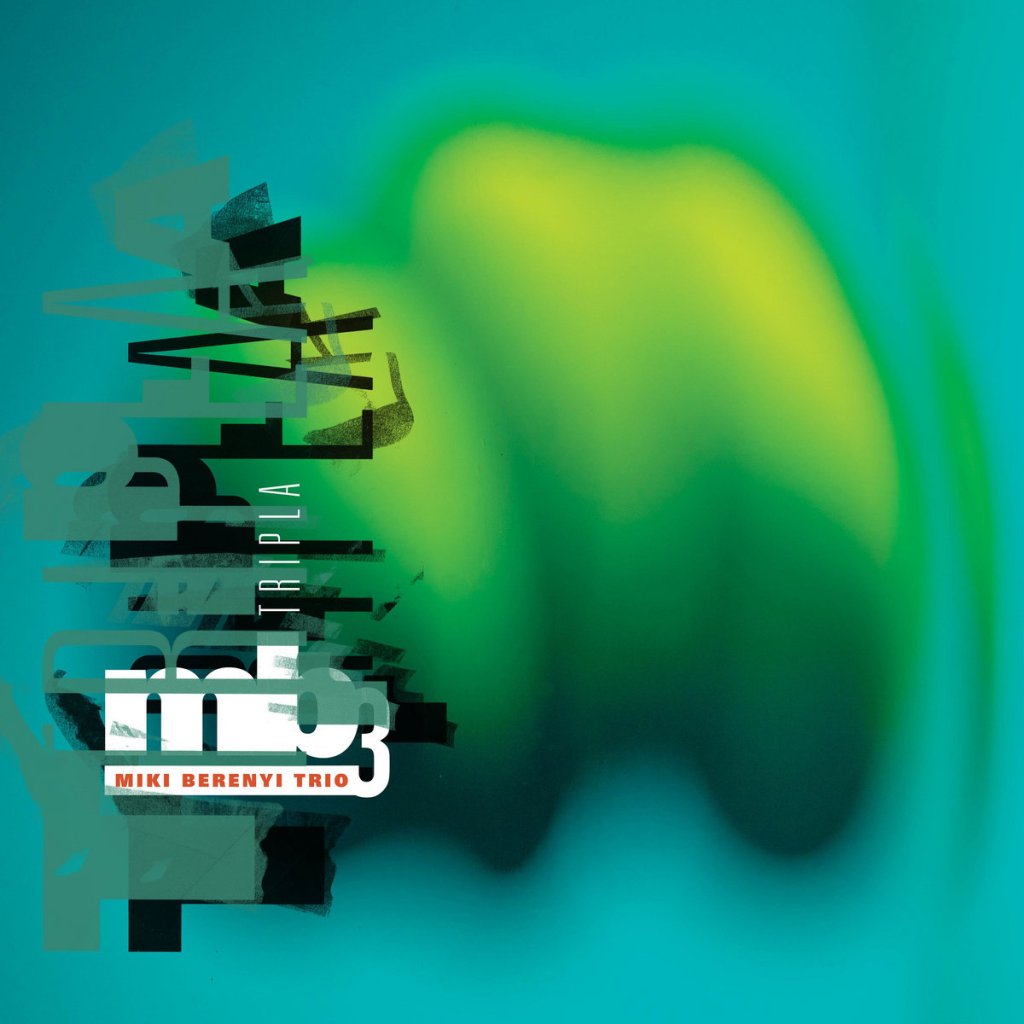
Shoegaze is in a golden age. “Revival” isn’t really the word for it anymore; it’s vastly more popular and influential now than it’s ever been. From its origins as a derogatory tag invented by music journos for a handful of dreamily noisy British and Irish bands circa 1990, shoegaze has evolved into its own meta-genre and Gen Z subculture on the level of Goth or emo. “Nugaze” artists sprout like mushrooms while foundational acts like Slowdive and My Bloody Valentine play bigger and more lucrative shows than they ever did in the 90s.
This makes it more troubling to me that Lush icon Miki Berenyi’s “solo” debut didn’t get more attention (not downplaying the contributions of her two bandmates, but with her name up front it feels like a solo record). Lush were without question central to establishing the shoegaze genre (their 1990 compilation LP Gala was the single biggest factor in making me a fan of the sound), but in my opinion they’ve been underrated amid the resurgence compared to their peers Ride, MBV, and Slowdive. While of course they remain popular, I’m often annoyed by their relative marginalization in fan forums. Seemingly whenever classic shoegaze artists are listed, Lush rank much lower than they should, if they rank at all. It’s as if the Ramones were sidelined on lists of pivotal punk bands.
This might be because Lush were never limited by the shoegaze moniker. As the genre has grown wildly more popular, inevitably gatekeeping has become an unwelcome factor. A lot of shoegaze fans are only interested in the hazy, billowing sound of Loveless, Souvlaki, and a thousand inferior imitators. Lush cut through the haze so to speak, staking out their own unique indie sound in the mid-90s Britpop era. Emma Anderson’s and Berenyi’s songwriting became increasingly more direct and spiky, often tackling sexism or personal trauma. Some of the reasons for this became more clear reading Berenyi’s excellent but harrowing 2023 autobiography Fingers Crossed, which detailed her fucked-up family history, her troubled relationship and eventual falling out with Anderson, and the 1996 suicide of Lush drummer Chris Acland. (I wanted to review Fingers Crossed in these pages, but ran out of time; just know it’s recommended by me, with trigger warnings.)
So perhaps their refusal to be categorized is held against them by the gatekeepers; but to the degree Lush are underrated it might also be partly blamed on garden-variety sexism. In fan forums, there’s a persistent tendency to focus on Berenyi’s famous Goth-waif looks instead of her songwriting, her trademark breathy soprano that did so much to define the shoegaze/dreampop vocal style, or her great rhythm guitar work. Not to mention everything she and Anderson did to overcome a horrendously sexist music industry in the 80s and 90s to achieve what they did.
No doubt if Lush reformed again, they would find a bigger audience than Berenyi can on her own, but she and Anderson don’t even speak anymore. Perhaps the 58-year-old Berenyi simply isn’t interested in more fame after a career of ups and pretty harsh downs. Whatever the reasons, she operates on a humble level these days. As far as I know she still as a day job, and the MB3 project is very DIY and grassroots; it was formed so that Berenyi could have a backing band when asked to perform a few songs on her book tour. The trio, rounded out by bassist Oliver Cherer and lead guitarist KJ “Moose” McKillop (also Berenyi’s life partner and bandmate in the defunct Piroshka), doesn’t even have a drummer. Berenyi has said it’s too much hassle to pack a drumkit into their car to drive around to the small gigs and showcases they get booked for in the UK, so they rely on an onstage drum machine, as if they were an early-80s new-wave band (I love this). They did do a limited tour of North America off the back of the new LP last year, playing in small clubs, but Berenyi says it will be her last because the cost and risk is too prohibitive. Meanwhile, it seemed to me that there was very little in the way of hype or marketing for the album from her label.
It’s all pretty baffling to me: this is the Miki Berenyi we’re talking about! Her new album should be a big deal for shoegaze fans young and old, and indie fans more broadly, but I fear a lot of people aren’t even aware it exists.
That’s a shame because Tripla is a great album, a surprise masterpiece that lives up to the legacy of vintage Lush while looking forward too. Typically for Berenyi, it isn’t beholden to shoegaze as a form much at all. Instead it frequently mines a very modern electronic-hybrid sound, but any shoegaze fan should love the infectious melodies, shimmery textures, and melancholy atmosphere. In terms of songwriting it’s a good deal stronger than Anderson’s 2023 debut LP (which I reviewed here) — not that I’m taking sides in the conflict between them. I would go as far as to say it’s at least as good as if not better than some of Lush’s later work. For most of this year of great new music, there wasn’t an album I wanted to listen to as much as Tripla, and it stayed at the top of this list until November when Hatchie dropped her latest.
I love the way Berenyi, Cherer, and McKillop incorporate dance and funk rhythms. For a self-produced independent album from a shoegaze legend who put together an ad hoc band for a book tour, that’s a real commitment to staying adventurous. But it’s also a great reminder of the early days when shoegaze and electronic bled into each other in the work of Saint Etienne or in Andy Weatherall’s MBV remixes. The cover art reminds me of this era too, when graphic designers were using the newly available wonders of desktop software to replicate the artifice of electronic music on rave flyers and album covers; I suspect this was done on purpose.
The production is so good, especially the way the trio make the electronic instruments sound like an organic part of the shoegazey arrangements. Opener “8th Deadly Sin” showcases what makes this approach work so well: moody synths and a 4/4 house kick offset by layers of jangly guitars and a particularly tasty bassline give the whole thing such a wonderful glide, which in turn makes McKillop’s more abrasive riffs and fills and Berenyi’s plaintive and surprisingly dark vocals about the climate apocalypse (Skeletons or trees — the light we’ve left / Makes it hard to see life or death) even more striking. The chorus didn’t leave my head for weeks in the middle of the year (it’s a perfect album for winter). The thing about Tripla is there’s no letdown after this; every track is solid and most are bangers.
Berenyi’s vocals have never sounded better — richer and a little deeper with age, communicating wisdom, fatigue, vulnerability, and sarcasm at different turns. I never got what I came for / That’s the bitter pill she sings on the slow-burning “A Different Girl,” one of the more straight-up shoegaze tracks on the LP. Anyone who’s read her book will understand the weight of disappointment in those lines, as well as the stubborn refusal to give up.
1. Hatchie — Liquorice

A thing to know about me is that I’m a confirmed Hatchie stan, so you can take my ranking of her third album as the best of the year with however much salt you need. My passion for the music of Brisbane-raised, Melbourne-based Harriette Pilbeam borders on the evangelical. That’s because to me she’s bizarrely underrated: not incredibly well-known outside of the dreampop and nugaze niche, not even as broadly embraced as she should be in Australia (for example, none of the songs from Liquorice made the Hottest 100), despite writing and recording some of the most exquisite and compelling pop music of the last decade. I think more people should know about her and she should be as big as other Aussie stars like Courtney Barnett or Tame Impala. But anyway what do I know? At least I get to be one of the cool kids who’s in on it (and now, so do you).
So I briefly wondered if I was being objective enough in putting Liquorice at the top of the list; but the fact is there wasn’t another album I found as compulsively listenable and fascinating last year (and on into this summer too). For months now I’ve actually been planning a longform piece about Hatchie (if you’re a regular reader that’s how you know I’m obsessed!), and I hope to tackle that soon. So I’ll try not to make this review so involved that it steals thunder from a fuller look at her genius.
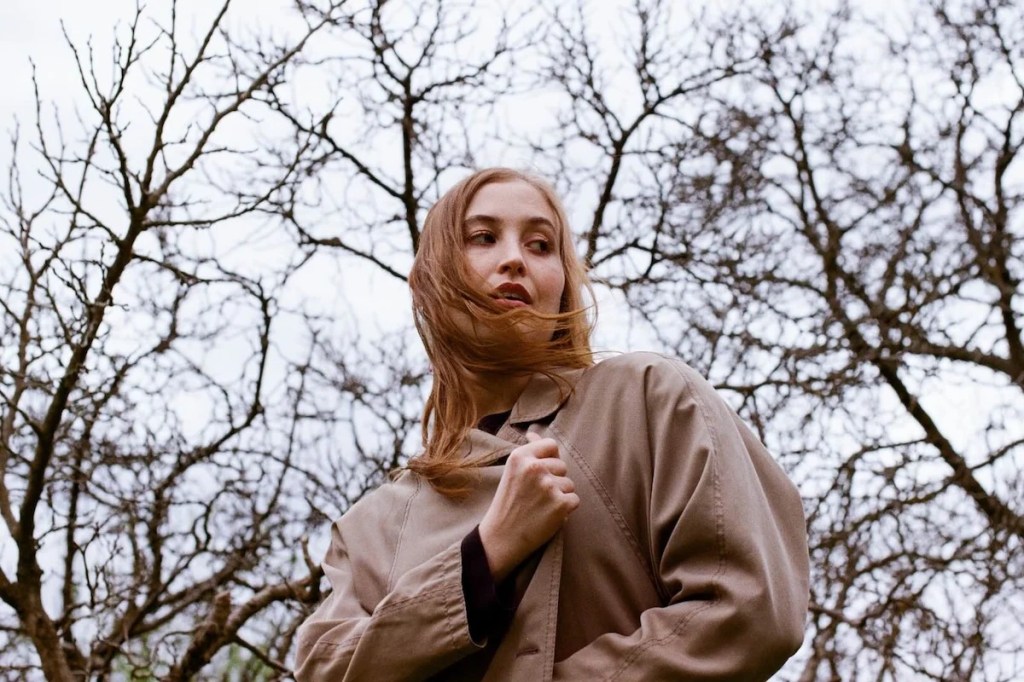
Funnily enough, when I first listened to Liquorice the day it dropped in November, after anticipating it for months, I was a bit unsure about it. I’d been hoping for a continuation of the shinier electronic “popgaze” of her magnificent second LP, 2022’s Giving the World Away, which I would rank in the top 5 albums of the 2020s so far. Instead, Liquorice is more subdued, melancholy, and guitar-based. It’s a return to a sound inspired by her 90s dreampop influences like the Sundays, the Cranberries, and the Cocteau Twins, which she synthesized so capably on her 2018 debut EP Sugar & Spice and her 2019 first full-length Keepsake (know that everything she’s done comes recommended by me). The thing is, nobody else is making music like Giving the World Away, whereas there are quite a few other artists out there who borrow from the Cocteaus and the Sundays.
It didn’t take more than two or three spins before my mind was made up that Liquorice is a very worthy addition to Hatchie’s discography and far outpaces the dreampop competition. For one thing, Pilbeam’s songwriting has never been better or more mature. The more you listen, the more thoughtful detail and emotional depth emerge from the opaque, glimmering sound. In interviews, Pilbeam has said she feels this is her best work, and that it was only after going through a crisis of self-esteem after the stress of making, promoting, and touring Giving the World Away, at one point almost giving up on the thought of continuing her music career, that she could focus enough to write this album. She says she felt more like herself than ever, and that shows in these songs. Though they do tell stories, there’s a quiet intensity to them that feels very personal and real.
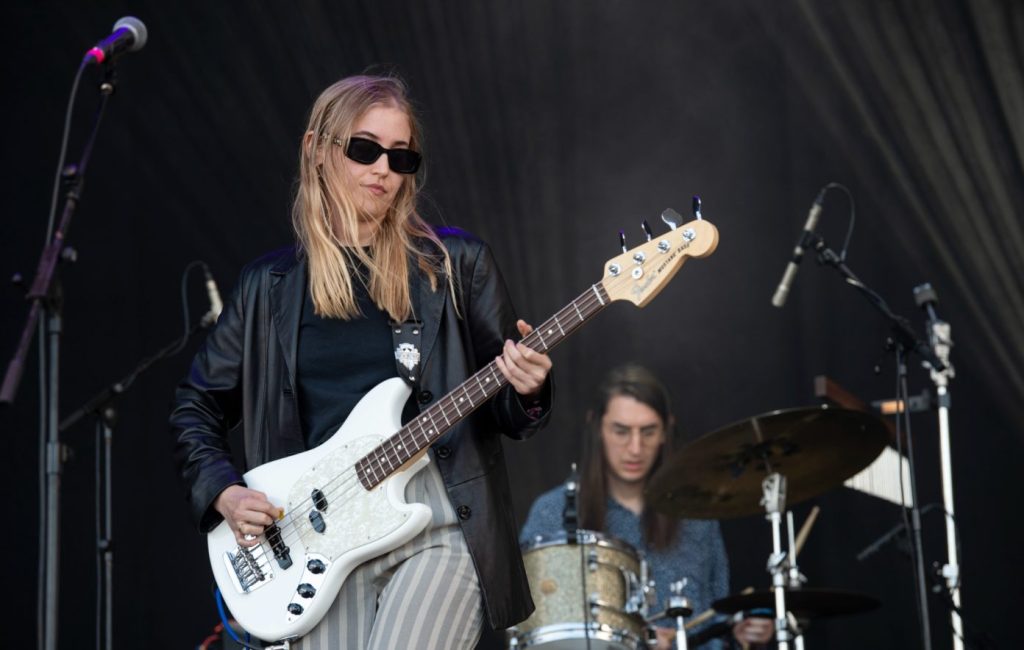
And the fact is that all of her guitary stuff is “shiny” and pop, the same as all of her poppier stuff is moody and shoegazey too. That’s what makes her so great. She’s described her music as a cross between Chapterhouse and Taylor Swift, and both of those polar influences are felt in everything she does, even if one or the other dominates on a given song or album. This is why I feel the constant references to the Cocteau Twins in every review undercut Pilbeam’s eclectic taste and ability to integrate diverse influences, both classic and modern.
So it’s not just nostalgia that makes Liquorice sound like a classic album to me already. The production by Melina Duterte (AKA Jay Som) and Joe Agius, Pilbeam’s longtime music and life partner, struck me as a bit murky at first, but it’s grown on me. The burnished, gently psychedelic sound has a cavernous quality that’s a great contrast to the intimacy of Pilbeam’s vocals and lyrics. Subtle synthy flourishes underpin the live instruments. There’s not a weak song on here, and Pilbeam and her collaborators (including the great Stella Mozgawa from Warpaint on drums) move confidently through a range of styles, from Kate Bush fairytale balladry on the title track to to the fuzzy psych rock of “Wonder.” There are even a couple of cheekily affectionate nods to Britpop, though if you ask me the anthemic single “Lose It Again” is easily better than anything Oasis has ever done (I’m not a fan, so that’s an easy call).
Pilbeam has grown as a vocalist. Her voice was always uniquely suited to communicating longing, desire, and vulnerability, but there are new undertones of bitterness and regret. I can’t quite place who her phrasing reminds me of in some passages here — Natalie Merchant? Emmylou Harris? Joni Mitchell? — but her vocals are so delicate and affecting, adding nuance and substance to the swirling dreamgazey sound.
On “Someone Else’s News,” one of my favorite tracks of the year, her killer Peter Hook-y bassline (she’s a great bassist) joins with a spookily vast reverberated synth as Pilbeam coos a story of unrequited love. Lingers at the party and pretends he doesn’t care / He’d give anything to breathe her air. It feels both fragile and epic, like the climax of a movie romance, with Pilbeam as the narrator.
This sense of cinema is overt at times; “Part That Bleeds” includes a brilliant reference to Richard Linklater’s Before Sunset, as Pilbeam murmurs, Baby, you’re gonna miss that plane on the breakdown. This makes me want to cry every time I listen, not only because of the reminder of that moment in the film but also Pilbeam’s heartrending delivery and the way the song climbs up to a spine-tingling chorus as she wails I just need to know / Were you ever gonna show up?
The sensuously smoldering shoegaze of “Sage” is another highlight — my jam this summer, with Pilbeam sighing I can see it’s more than just ecstasy / You’re falling in love with me over a mellow rocking 4/4 beat and pillowy layers of droning guitars. A bit mushy? Maybe, but the way she wears her heart on her sleeve instead of hiding behind the irony that’s so pervasive in indie rock, while at the same time managing to avoid congealing the emotion into sickly sweet sentimentality, is her great skill as a vocalist, as well as a summary of her ability to bridge pop and edgier sounds.
I’ve spent this review pushing back against the nostalgia angle, but I may as well admit I love the gorgeous analogue psychedelia of the “Sage” video for the way it reminds me of the wonder years of Lush and My Bloody Valentine and Dinosaur Jr. and all the other greats on 120 Minutes. But it also makes me feel a giddy excitement for the music of right now, a sense that there’s so much more to do in exploring this sound in this century. And that in a nutshell is what makes Hatchie’s entire project so special.
Like what you read and want to support? Consider buying me a coffee! You can also subscribe below, and be sure to share this article!
Feature image photo credit: Abbey Raymonde
 Under the Paving Stones