In case you’ve been exploring the outer moons of Neptune and missed the news, Britpop icons and perennial bad boys Oasis have reformed and are set to embark on a massive, ridiculously hyped, and highly lucrative world tour in 2025. Here are a bunch of reasons why you won’t find me queuing up for tickets.
Ive learned not to trash musicians I dislike in public. I made a mean post about Adele once, after a long bus ride here in Sydney with several drunk Adele fans on their way to a show (and to be honest, overhearing some casually racist remarks on their part may have contributed to my sour mood). A friend called me out for my post, pointing out that it was petty and kind of sexist of me to have a go at a pop star beloved by women everywhere. She was right. I still feel bad about it and think about it a lot.
All kinds of music brings people joy and it’s just not a good look to be a hater, especially for a middle-aged guy. Grumpy old dudes complaining about music — especially new music and pop, but any music, really — is such a toxic phenomenon on the internet, and years ago I made a conscious decision not to be part of that anymore.
However I make an exception for Oasis, whom I’ve always found loathsome for a bunch of clear, definite, if not objective reasons.
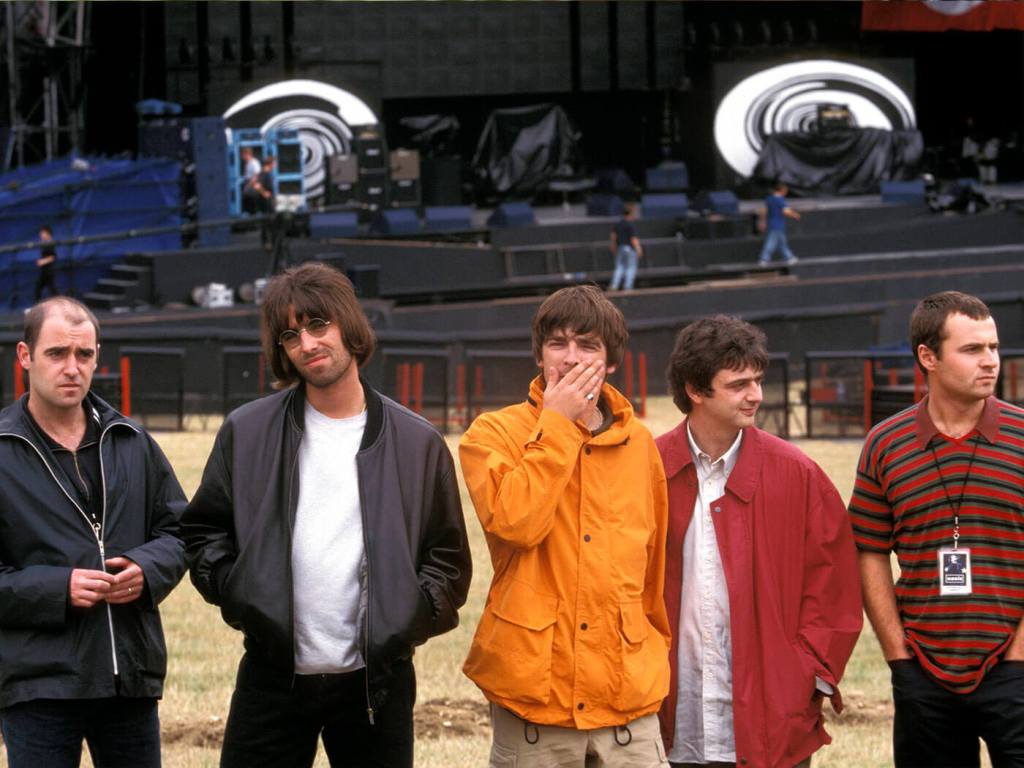
If you’re an Oasis fan, this is not aimed at you, I promise! I’m sure you’re stoked about the reunion, and I’m happy for you. I do understand why people like them — and I’ll get to that in a bit.
But forgive me: I just need to vent here because, to me, Oasis are definitely maybe the most overrated band of all time. I’ve hated them since I first heard them 30 years ago, and it’s been difficult to bear the hype over their reunion and the near-constant coverage of them on all my music feeds for weeks now.
Just so you know I’m going to be indulging my pettiest and most contrarian side here — but at the same time I think there is a rational case for why these guys suck.
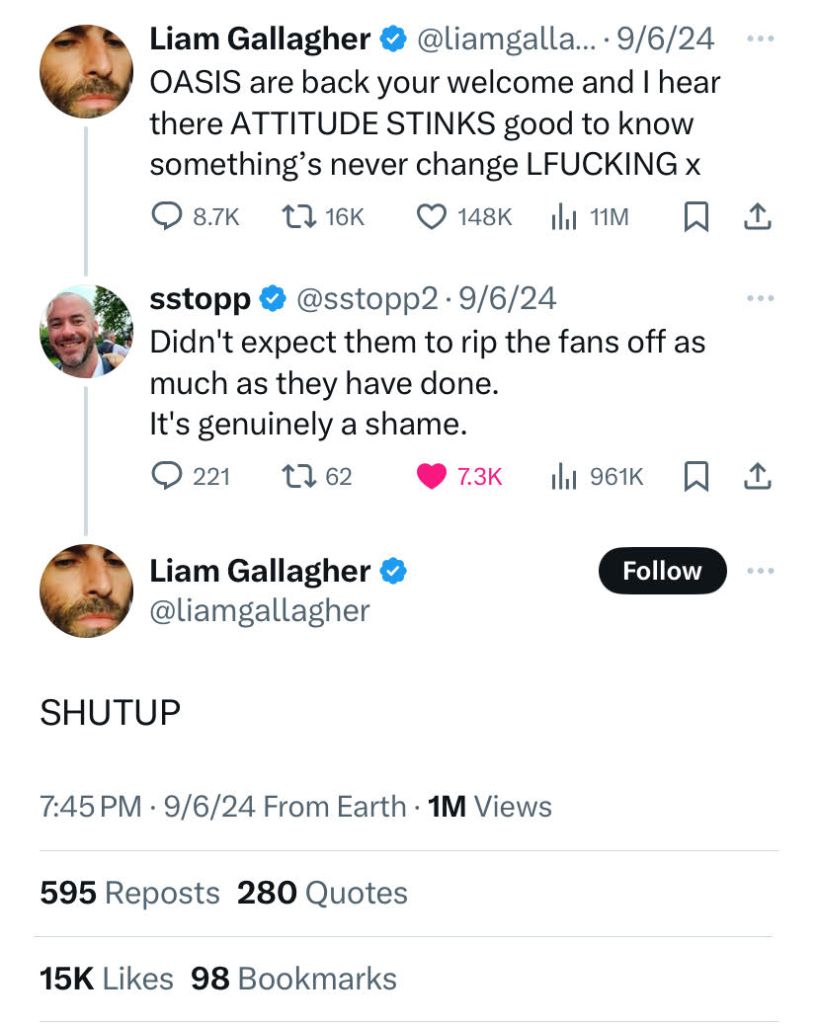
The hilarious thing is, as long as I’ve hated them, Oasis have never once done anything to convince me I might be wrong. They are cartoon villains. Gouging fans with surge pricing on tickets for the reunion shows, and Liam Gallagher telling a fan on Twitter to “SHUTUP” when they rightfully complained, is just the latest in a long history of things to fuel my undying animosity.
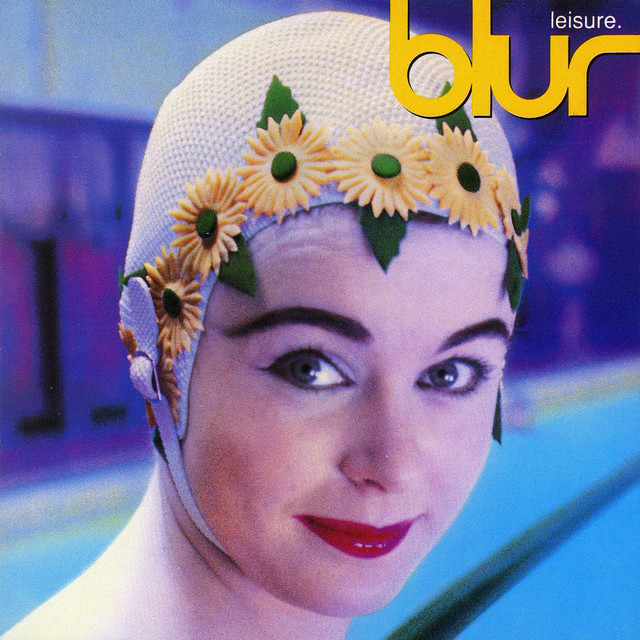
Thirty years after Britpop’s rise to prominence, I’m still mad about what it did to music in the UK. As the 90s opened, there were so many amazing bands coming out of the UK, a revolutionary wave of indie that changed my life many times over. There were the pioneers of shoegaze like Ride, Lush, Slowdive, James and Chapterhouse (I wrote a whole thing about shoegaze here). There was the cultural uprising of Madchester, or “baggy” as it’s often called — the Stone Roses, the Charlatans, the Happy Mondays, the Farm, Inspiral Carpets and many more. Lots of amazing in-between stuff like Saint Etienne, Primal Scream, the Stereo MCs, Soho, PM Dawn, and A.R. Kane. Yes, I count early Blur and their still-amazing 1991 debut LP Leisure as part of this broader movement too.
There was a real crossover between this wave of indie and the rave explosion, especially with producers like Andy Weatherall and Paul Oakenfold and artists like 808 State and the Orb collaborating with the Mondays, Primals, and Björk, and taking rave into an album-friendly format.
This was expansive music: the possibilities of rock expanded with each new release, as it expanded my mind. As varied as they were, these artists shared some things in common. In general they were open to noise, to synths and electronic beats, to experimentation, and to Black music. This wave was the rightful heir to postpunk, and it felt on a continuum with the hip hop and house and American alternative that was exploding at the same time on my side of the Atlantic. It felt like a new era of crossover and sonic adventure was dawning. It was a magical time for a young music fan — so colorful and optimistic and euphoric. I could go into my local record store and pick out an amazing British import CD practically just by looking at the covers (great graphic design was also part of this movement).
Britpop undid all that almost overnight. Suddenly instead of looking forward, bands were looking backwards to all the tired tropes of 60s rock that I was already over in high school in the 80s. Suddenly it was blokes with guitars and ballads and “I’m a rock ’n’ roll star” and “I Am the Walrus” and all this bullshit about “real,” “genuine,” “heartfelt” rock. The British music press ate it up, I suspect because blokey bands strumming guitars and crooning were easier for them to relate to; and it gave them (frequently obnoxious) personalities to sell in comparison to the more adventurous musos who tended to stare at their synths or guitar pedals or hide behind their hair (thus, “shoegaze,” which began as a pejorative description). In the wake of Britpop, the indie-dance crossover imploded (until it was revived later in the 2000s) and shoegaze bands were dropped from their labels.
Note: I’m being deliberately reductive here about the term “Britpop”; there are good bands filed under that label, including Pulp and mid-period Blur, but I’m talking about a general regressive and insular tendency. I feel comfortable doing this because the sudden and dismal shift in music culture in the Britpop era has been documented by people who were there, including Lush’s Miki Berenyi, who wrote about it at length in her excellent 2023 autobiography, Fingers Crossed. “This new environment is completely baffling to me,” she says about the London scene in 1995:
…where friends you haven’t seen in months act like you’re a random stranger to ponce drugs from and musicians treat other musicians like handmaid groupies; where someone whose only claim to fame is designing a t-shirt swans around oozing celebrity entitlement and every no-mark hanger-on acts like they’re Johnny fucking Rotten. I mean WHAT THE FUCK is going on? I’ve been subsumed in music since my teens and found my tribe, my family. Now it’s been hijacked by elitist dickheads.
Berenyi has been a constant critic of Britpop — the above-quoted chapter in her book is titled BOLLOCKS TO BRITPOP — and I love her for it.

From the start, my misgivings about Oasis were very specific, even personal. I resented them so much for stealing the Stone Roses’ thunder and taking everything that was cool about their vibe, including their working-class Manchester attitude and fashions, and marketing it as a loutish parody, while possessing only the faintest echo of their genius and none of their vision or soul. Looking at Oasis I always had the feeling that someone had kidnapped and murdered the Roses, and reanimated them as marginally talented zombies.
I just couldn’t believe, and still can’t believe, that the city that produced Joy Division, New Order, the Smiths, the Mondays and the Stone Roses was now saddled with bloody Oasis as its most famous, or notorious, musical legacy.
And, just so I’m clear about the distinction I’m trying to make: the Roses were blokes with guitars too, and they borrowed from the 60s too, but it’s a night-and-day difference in what they did with that. Can you imagine Oasis recording a track as sinuously sexy as “Shoot You Down” or as majestically funky as “Fool’s Gold”?
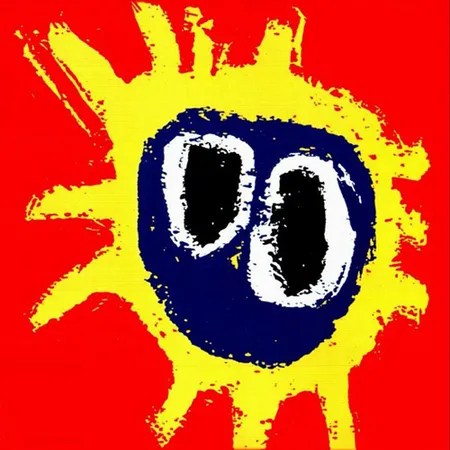
You can measure the difference in the effect the Britpop wave had on previously great bands like Primal Scream and the Charlatans, who abandoned their more elegant, funky, hallucinatory sounds of the early 90s and started making the most turgid white blues-rock in an effort to stay relevant. As if to signal this degradation as plainly as possible, Primal Scream even had a Confederate flag on the cover of their 1994 LP Give Out But Don’t Give Up.
Just try to imagine Screamadelica having the effect it did on my generation with a historically racist symbol on its cover and you’ll get why I’m still so angry about all this!
The Stone Roses’ long-delayed 1995 comeback album Second Coming was a disappointment for many of the same reasons. It’s like they lost their trust in the funk and swing and crossover adventure of their debut.
Britpop was regressive socially as well as musically. Berenyi wrote about how all of a sudden, the scene in London was consumed by laddism. Everything became a lot sleazier and it was now more openly acceptable than ever for guys to be abusive jerks or sexist pigs at clubs and parties. She describes being sexually harassed by artists including Primal Scream’s Bobby Gillespie and Oasis’s leadman: “Liam Gallagher circles me, wondering aloud when I’ll be ready to fuck him in the toilets.”
She also found that Lush were now expected to conform to all this sleaze — for example with photographers demanding they take off their clothes for shoots. This was a big step back from whatever limited gains were made by the more inclusive postpunk movement.
But you don’t need a tell-all autobiography to know these guys were and are dicks. Take this account of the 2000 Q Awards, where the Gallagher brothers repeatedly taunted Robbie Williams as “Queer!” and Kylie Minogue as “Lesbian!” while “the assembled music business and media tittered nervously, reluctant to kill the goose that laid the golden egg.” That refusal of the industry to challenge the lads’ bad behavior for fear of rocking the boat says it all to me.

Even worse, this backwardness was presented as a virtue. We were supposed to believe that Oasis represented the Northern English working class, and the working class more broadly, and that Blur and other arty indie bands were for effete uni students and the middle class. This is such a false boundary, and such a wooden way of looking at how the working class consumes art. For fuck’s sake, you can be working-class and go to art school (or film school, like I did, on a scholarship mind you!); you can be working-class and be into more challenging or esoteric music (or film, or literature, or fine art).
Alternatively, artists who aren’t working-class can make art that speaks to the working class — this is not a contradiction at all. Leon Trotsky wrote at length about this in Literature and Revolution:
It is childish to think that bourgeois belles lettres can make a breach in class solidarity. What the worker will take from Shakespeare, Goethe, Pushkin, or Dostoyevsky will be a more complex idea of human personality, of its passions and feelings, a deeper and profounder understanding of its psychic forces and of the role of the subconscious, etc. In the final analysis, the worker will become richer.
Berenyi has pointed out how “totally unfair” these received ideas about class and music taste were. “There’s more fucking middle-class people in Britpop than in shoegaze,” she said in a 2021 interview. (By the way, I can’t tell you what vengeful satisfaction I feel that shoegaze is more popular than ever, thanks to being embraced by Gen Z, and that Britpop isn’t cool anymore.)
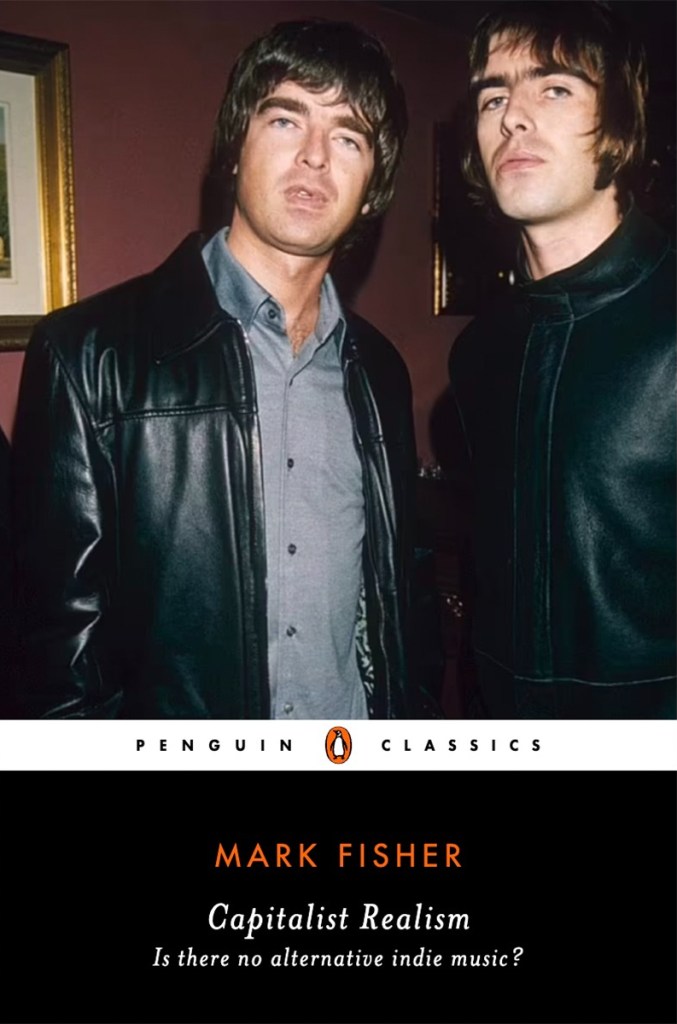
This recent Guardian commentary from veteran music journo Barbara Ellen lapses into some of these clichés, but it also goes out of its way to defend Oasis fans, as distinct from the band, as victims of classism in the British media (“parka-sporting, bucket-hatted, knuckle-dragging politically dubious ‘football crowds’”). This is no doubt the case and I wouldn’t dismiss that part of her argument — of course there can be competing and contradictory problems here — but I maintain that conflating “Oasis” and “working class” is a mistake.
The late Marxist culture critic Mark Fisher dismantled this narrative in a 2014 interview:
What we’ve got in the 21st century is a confusion of the contemporary with the modern. In fact the contemporary cannot deliver the modern; there’s a kind of depthless contemporary… I think this is something that really started to become clear to me in the ’90s actually. But in the ’90s there was a clear distinction between this emergent disavowed retro culture via Blur and Oasis — the pseudo-opposition between Blur and Oasis that was more sort of a battle between mediocre class stereotypes. Students slumming it, as Ian Penman put it about Blur, versus this utter neanderthal cartoon of the working class, as if they were the only options available. But actually at the time the real opposition was between things like that and things like Tricky, jungle and various iterations of techno.

Bloc Party’s Kele Okereke came to the same conclusions in 2005 after Noel Gallagher (predictably) started a feud with the postpunk upstarts:
The idea that your ambitions shouldn’t extend beyond getting pissed and watching the football really irks me. It’s this idea that to be authentically working class you need to be untainted by the airy-fairy ephemera of education. And it seems to be pretty unique to this country.
Okereke also said, correctly: “I think Oasis are the most overrated and pernicious band of all time. They had a totally negative and dangerous impact upon the state of British music.” And elsewhere he pointed out that Oasis “made stupidity hip. They claim to be inspired by the Beatles, but, and this so saddens me, they have failed to grasp that the Beatles were about constant change and evolution. Oasis are repetitive Luddites.”
The Beatles are a poignant comparison because they were Northern working-class lads too. Yet they managed to be nice people, use their position to advocate for social justice, and push musical boundaries.
It’s just so damaging that we were supposed to accept this idea that you’re an effete wanker if you’re shy and sensitive or staring at your pedals and making dreamy noise, and you’re working class if you’re all, “Oi!! Let’s ’ave it!!!” and making conventionally acceptable rawk and being a sleaze. It’s so damaging to make excuses for the most backwards elements of the working class, or to assume it has to be this way — to assume working-class people have to be crude and ignorant, or vice-versa. It’s just as elitist as Oasis’s critics are accused of being.
And to be clear: shy, sensitive musicians can be creeps too, which is the other side of the problem with that dumb binary.
Also, as Fisher says, Black, electronic, and underground music made by the working class were neglected in this “working-class vs. arty” scheme as well. Working-class people are Black, just as working-class people are gay. It was all pretty stereotyped, racially coded when it wasn’t overtly racist, and again, a setback compared to the previous era of multicultural experimentation.
I’m thinking about Noel’s Gallagher’s belligerence towards Jay-Z headlining Glastonbury in 2008 — this fucker literally said “I’m not having hip hop at Glastonbury. It’s wrong.” I’m not a Jay-Z fan but his response to this was legendary: assembling a band and performing “Wonderwall” for his set opener, a cheeky middle finger to Oasis with a better version of their best-known song.
The unrelenting antagonism, the unfounded arrogance, the sexism and homophobia, the general unpleasantness of these two men — as long as I live I’ll never understand why fans have put up with it for so long. The worst thing is the way it’s become some kind of dumb tradition, like that’s the main thing about Oasis, that’s their brand — a pair of pathetic, corrosively laddish celebrities who also happen to be in a popular band from the 90s.
In the early days they spewed pseudo-outrageous, psuedo-controversial blather to the press, or ruined gigs with their petulant nonsense, because they were young and particularly stupid, not to mention wildly popular and being told they were the dog’s bollocks. Somehow they assumed this was their gift to the world, as if we needed another Sex Pistols to make a nuisance of themselves everywhere they went, only with much more boring music.
Then it ossified into a brand, and over the years it all became so cynical and predictable and tired. They had to say dull hateful shit, they had to dump on new bands, because they were Oasis and that was what they did. They had to be belligerent lads even if they were now rich, middle-aged dinosaur rockers — and the press dutifully printed it every time. When Twitter came along, there was now an endless stream of it for consumption.
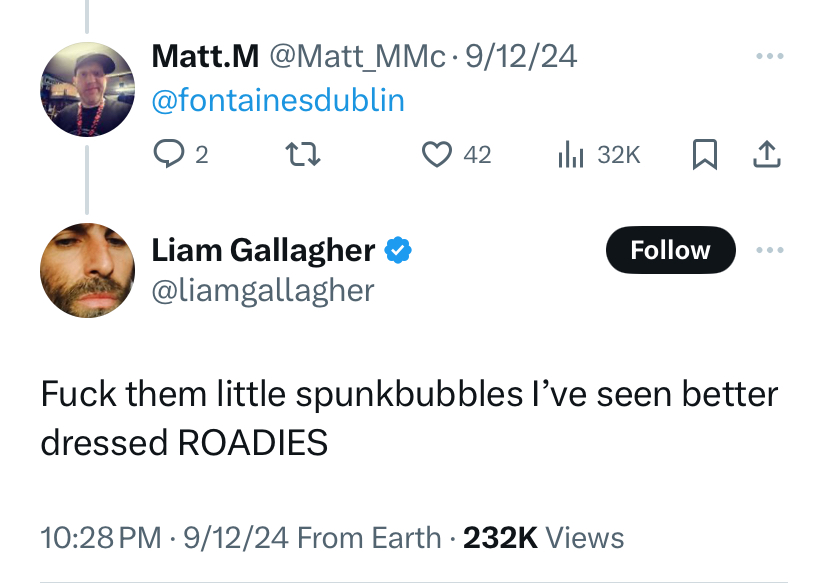
Take an incident from a couple of weeks ago. Irish rockers Fontaines DC were asked what they thought of the Oasis reunion in an interview on a Dutch radio show. They responded with justified apathy: “I couldn’t give a shit to be honest,” bandbember Carlos O’Connell said. Conor Deegan agreed: “I’m not excited about it either,” and went on to talk about their desire to look forward instead of backwards (thank you).
So of course when Liam Gallagher hears this he has to have a go at them on Twitter: “Fuck them little spunkbubbles I’ve seen better dressed ROADIES… They look like a shit EMF.”
You would think this guy would be secure in being the lead singer of what is once again, unfortunately, the biggest band on the planet, mounting a long-awaited reunion tour that’s breaking the internet, right? Why would he care what anyone says about him, especially someone younger and a lot less famous? Isn’t he kind of busy at the moment?
But no, he can’t go without hurling a metaphorical pint glass, can’t go without punching down, and he has to make it as nasty as possible. He’s as predictable as he is thick. This is the brand.
Imagine living like that — imagine never getting to be nice or sensitive or humble or at all reasonable because of this stupid brand, this circus act you’ve established for yourself.
And again — don’t the working people of Northern England deserve better than to have this pair of fuckwits be their representatives to the world?

In fact Oasis haven’t been working class for more than 30 years. This is a crucial point. They’ve gone from obnoxious English lads to obnoxious and wealthy old Englishmen. They very much embody the white petty bourgeoisie of England during a time of crisis and reactionary backlash. Despite their rockstar status, they are very ordinary in this respect — their resentment of anything new, their clinging to tired tradition, their casual racism. Noel Gallagher’s seething hatred of former Labour opposition leader Jeremy Corbyn (“Fuck Jeremy Corbyn. He’s a communist,” “a fucking disgrace,” “I don’t want that lunatic running the country”), his anti-mask stance, and grumbling that Glastonbury is “a bit woke now” are some of the more obvious signs of this. The Gallaghers are right wing in the way most rich people are right wing.
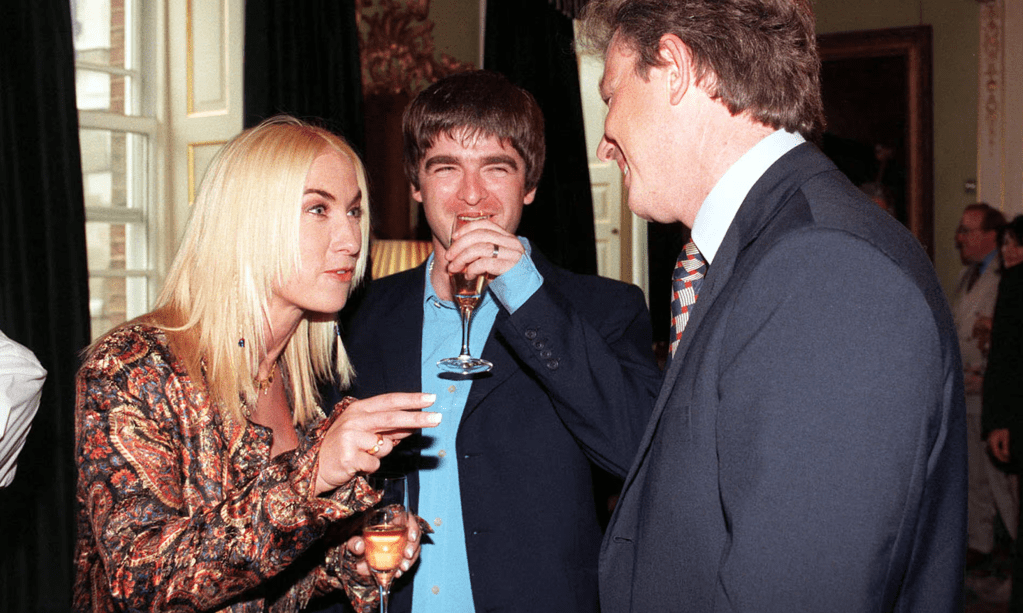
The redbaiting of Corbyn is also telling because Oasis were an integral part of “Cool Britannia,” that cringe moment when soft nationalism was peddled as a pop-culture trend in the late 90s. Oasis were among the celebrities associated with Tony Blair when he was being flogged as a hip young progressive; much has been made of the night in 1997 when they attended a party at 10 Downing Street. As huge and influential as Oasis were, this must have been critical to Blair’s campaign and initial popularity.
We all know how it turned out. Far from being any sort of progressive, in fact Blair governed as an arch neoliberal who, along with his counterpart Bill Clinton, helped entrench right-wing politics on the center-left — a disastrous betrayal for the workers and the poor who are Labour’s base. As one of the architects of the blood-soaked invasion of Iraq, he’s also a monstrous war criminal. That Corbyn challenged the Labour party’s neoliberalism and warmongering and became massively popular with young people in the process is why old, wealthy Blairites like Gallagher hate him.
By the way, if you need another reason to love George Michael, check out how scathing he is about Cool Britannia in this BBC interview taped in 2003, in which Michael (a lifelong, genuine leftist) argues at length against Blair’s invasion of Iraq. “I never turned up at that bloody party… Cool Britannia is a load of bollocks to me.”
Mind you, as a communist (an actual communist), I’m a critic of Jeremy Corbyn’s social-democratic politics. But the point is that a right-winger like Gallagher can be relied upon to reveal his smallminded worldview whenever he’s questioned about anyone to the left of Mussolini. It’s perfect: the journey from “cool” young Blairite to grumpy old COVID denialist.
Gallagher’s political devolution sheds light on the structural issues at work here. Laddism didn’t become a thing in the 90s because a few bands made it cool. It’s the other way around: it became a thing because there was a broader backlash against feminism and against the left after the decline of the social movements of the Thatcher era. Laddism and the regression of Britpop were just the symptoms. And for similar reasons, Gallagher has become more conservative in the 21st century not because he’s an especially bad person, but because conservatism is now on the rise in the mainstream.
How did such a shit band became so huge and era-defining? I’ve asked myself this for years. There are two possible answers to this question:
a) They’re not shit you wanker.
b) It was all about the zeitgest. Their popularity didn’t have much to do with their music’s quality or lack thereof. Instead it had everything to do with a generation of young people in Britain coming of age and feeling collective passion and release in the music of a homegrown band during a time of transition between Thatcher and the crises of the millennial period. In this collective mood of restless ferment, no matter how the cards fell, the kids would have found some band to attach themselves to. It could have been any halfway competent band with a couple of songs, a marketable image, and a rebellious streak; unfortunately, that band was Oasis.
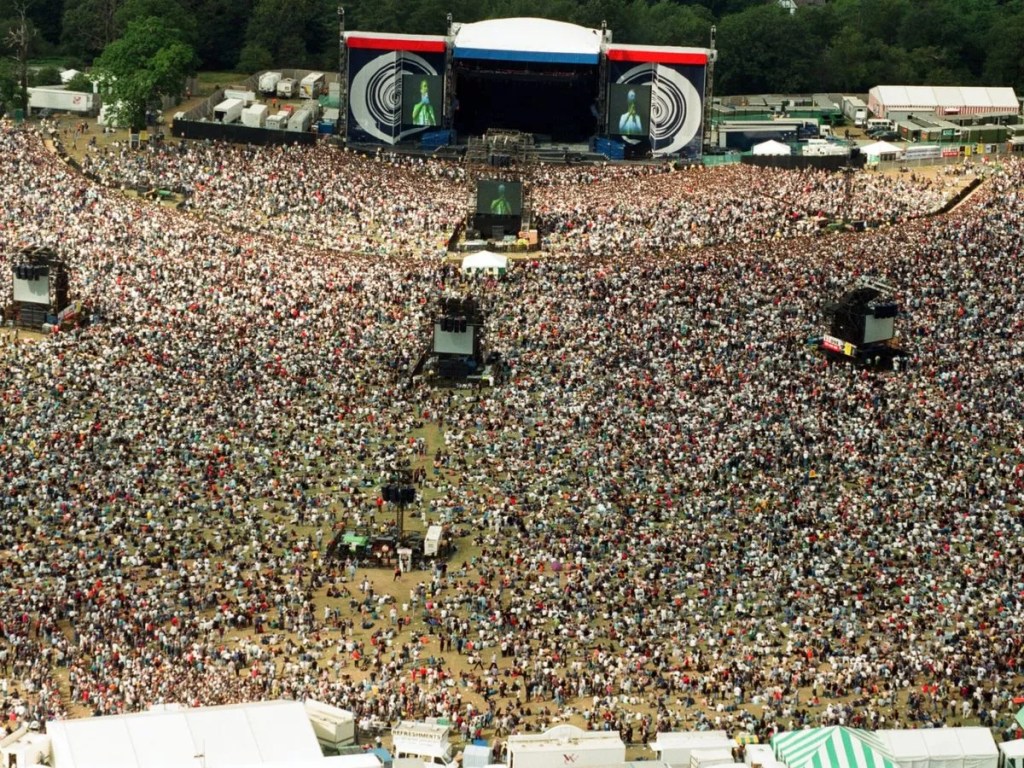
In that sense, it was more like a social movement than a fandom. How else could you explain why 600,000 people showed up at Knebworth? Objectively amazing, wonderful to contemplate, by any measure an incredible tide of youthful humanity, and rightfully remembered as a defining moment of the 90s in Britain — even if there was absolutely nothing happening onstage during the headliners’ set that could justify the excitement.
As you can guess, I think the answer is b). But occasionally, when I’m in a more generous mood, I think it must be somewhere in between.
Now that I’ve gotten my rant off my chest, I’ll admit there must be something about Oasis’s music that isn’t shit, or so many people wouldn’t connect with it. A lot of my friends love them. Especially if you’re younger than me and you were a kid when Oasis blew up, I can understand why you might have fond memories, like I do about, say, U2. Oasis have been an influence on some bands I love, including Alvvays, even if that’s hard for me to believe. There’s no question they appeal to millions of women and politically switched-on Zoomers despite their sexism; there are understandable reasons for this, just like plenty of women love gangster rap.

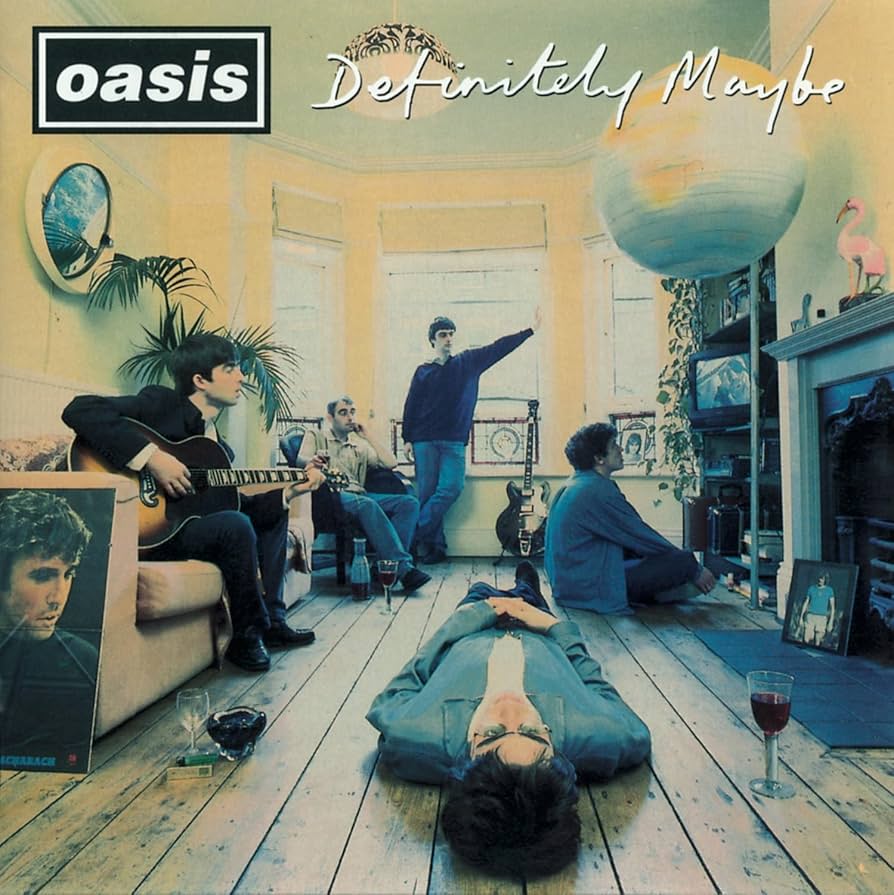
As I sat down to write this, I listened to Definitely Maybe for the first time in 30 years. I listened to it all the way through a few times. I wanted to make sure I wasn’t being unfair. And when I first pressed play, I thought the opening guitar riff of “Rock ’n’ Roll Star” was not terrible; it reminded me a bit of Siamese Dream-era Smashing Pumpkins. In other words, big, dumb, melodic, emotive rock that swung for the fences at a time when that’s what the youth wanted.
But then Liam Gallagher starts bleating Toniiiigghht I’m a rock ’n’ roll starrrrr and it turned me right off. Okay man, we get it, you’re a rock ’n’ roll star, you don’t need to actually sing that on the first song on your debut album.
It occurs to me that one of the fundamental differences between Oasis and all the great Manchester bands that came in the years before is that Oasis’s lyrics traffic in smarmy sentiment and bland earnestness. Banging on about You and I are gonna live forever and Let me be the one that shines with you — it’s all so weirdly fatuous compared to the bitter satire of the Smiths, New Order’s surreally ironic ballads about murder and pedophelia, and the Stone Roses’ savage putdowns and vainglorious pisstakes (I am the resurrection and the light).
I can’t find the quote right now, but I seem to recall Johnny Marr saying that what made Manchester special was cynical, sarcastic lyrics sung to pretty music. That’s something Oasis never got.
As I kept listening, I kept experiencing that same push-pull: momentarily grabbed by a hook or a riff (the guitar solo in “Live Forever” is nice, I guess) and then confounded by a dumb lyric or a boring cliché — the Stonesy blues changes, the Beatles references that would have sounded played in 1973. Reading Noel Gallagher’s list of the 10 greatest bands of all time sheds light on this tedium. The Beatles, the Rolling Stones, the Sex Pistols, the Kinks… All British, almost all white, not a single woman on the list. ok boomer
Above all it’s just hard to listen to that guy’s bleating and moaning. Again, “Supersonic” got to me for a minute but then when the vocal came in it made me laugh out loud. I don’t think comedy is what they were going for.
I know this is an easy target, but I just get so embarrassed for Oasis fans whenever I hear “Wonderwall” in the grocery store. There’s such a lack of melody it sounds deliberate, like a depiction of a mediocre band in a movie satire (Spinal Tap’s song’s are worlds better though!), and my man sounds like a moose drowning in a tarpit.
And I know the bad lyrics are meant to be part of their charm, like it’s supposed to be some kind of naïve street poetry (again, that idea that the working class can’t make or consume art with more substance), or, alternatively, a 90s take on the anti-meaning of 60s psychedelia. But after a certain point it’s hard to write off and you just have to admit that bad lyrics are bad. Did you ever feel the pain in the morning rain?
None of this is a crime by itself; plenty of bands I’ve loved have corny songs or indulge in ridiculous rockstar poses. But what I couldn’t believe when I first heard Definitely Maybe in 1994, and still can’t believe now, is how hyped this band was. These glorified pub rockers are supposed to be the saviors of indie? Is this a joke?
I know I’m not alone in thinking this way. Amid the reunion hype, the BBC6 Instagram account posted an old clip of Oasis playing at Glastonbury in 1994. It features Liam Gallagher, absolutely devoid of charisma or melody, caterwauling “Live Forever” while clutching a can of lager. Refreshingly, the negative comments outnumbered the positive ones: “He sounds like a cat being strangled,” “…like listening to a high-school band who hasn’t rehearsed,” “I never understood the fascination, still don’t,” “Ah yes, Glasto 94, getting groped by an Oasis fan who then punched my boyfriend.”
I can admit that Oasis’s songs are catchy; I can understand why people like to get drunk and sing along with them around jukeboxes or at festivals. I can understand why it might have meant something to you in that hazy, hedonistic era. The problem is how wildly overblown they are and have always been. If there were any sense of proportion, if Oasis were valued according to their actual talent and actual contributions, they might be ranked with the likes of, say, Jesus Jones, or Ned’s Atomic Dustbin — fellow British indie bands who made some noise for a while, did some good things, captured a moment in time. Or even if they were downgraded to the level of great and beloved 90s Brit rockers like the Verve or Manic Street Preachers or Elastica it would make more sense, compared to their truly baffling status as one of the biggest bands of all time.
And at the same time, whenever I try to take a balanced view of their music or their social impact, it’s hard for me to set aside what complete assholes they are, so ¯\_(ツ)_/¯
Like what you read and want to support? Consider buying me a coffee! You can also subscribe below, and be sure to share this article!
Feature image photo credit: Simon Emmett. Edits by me. Middle-finger gif by Flaticon
 Under the Paving Stones
I liked only two of Oasis songs until I saw them at a music award show. The presenter was Michael Hutchence INXS and how awful rude they were to him. Only pathetic, insecure losers have to treat a person that way with such disrespect. It told me everything about the type of guys they are. To treat anyone that way you have to be pretty insecure inside let alone such a talent and nice guy like Michael Hutchence!
LikeLike
Wow, I hadn’t heard of that incident but I looked it up after I read your comment. What absolute jerks.
LikeLike
Oasis are rubbish and now they’re old rubbish. Damien Hirst is rubbish too and they’re friends. Being working clarse and old does not stop them from being arses.
LikeLike
Excellent piece.
I had friends in the mid-90s, males mind you, who would get weepy listening to this dreck. Never could understand how anyone could tolerate, let alone love, such insipid caterwauling.
And if the music wasn’t bad enough, these insufferable douchebags with those haircuts that made you want to hit them in the mouth as hard as you could….
Pure mediocrity coupled with stupid arrogance.
So glad they’re back.
LikeLike
The Dunning Kruger Experience
LikeLike
Bob on. A met a guy in Joules Spoons in Sale who knew an old member of band who they pissed off because he was better than the 2 boring gits. They put me to sleep unlike most Msmcunians, and I married one. STEW K
LikeLike
In 1994-5 if you were the relevant demogrpahic – meaning early-mid 20’s generation x -there was white guitar based music acts like Smog or Pavement that were sarcastic, funny & difficult in all the best ways. Oasis were not one of them. I mean, something from in-period UK, like Spiritualized was a far more interesting stab at retro-modern rock, that at least had the ambition to do a couple of different modes of retro!. Oasis were a meaningless media exercise & distraction for the UK middling-late 90’s, perhaps not entirely unlike their alleged heroes, the Beatles, who were in turn a meaningless media hype & distraction for a previous decade.
LikeLike
I agree with you Oasis is definitely overrated big time I only like two of their songs but I would never put them on my Facebook page because they’re only put songs that I really like on my Facebook page and I have about 100,000 songs on my Facebook or more
LikeLike
Oasis just played L.A. and some of my friends have been RAVING about it. I’ve always hated them, but started thinking- maybe I’m the idiot and have terrible taste? So I did a google search and . . .
I knew they were jerks, but I thought they were playing jerks on tv. Didn’t realize the depth of their willful ignorance, racism and sexism. Your info on how they changed brit music for the blander made me even more angry.
The world is full of amazing bands with great people and musicians. Time for dinosaurs like this to step aside and let more capable artists fill the void.
Thank you for this article -CM
LikeLiked by 1 person
Really appreciate it, thanks for reading! Like I said in the article, I hope it’s clear that I don’t judge Oasis fans, and I can understand why they get excited, but yeah personally I just think there’s no “there” there when it comes down to it, and I felt these things needed to be said. I’ve gotten a lot of similar feedback from other readers – “I’ve always hated them but felt I was the only one.”
LikeLike