I don’t mind admitting I’m writing this through tears. My first thought when I saw the news of Dolly Parton’s passing last week is that 80 is too young. She was only four years older than my mom when she passed last year, and that was way too young. I’m sure her family is feeling the same shock and bewilderment that ours felt.
The last time I last saw Dolly speak was just last month, in her video thanking Taylor Swift for donating to the Imagination Library and congratulating on her wedding. She seemed as effervescent and full of life as ever and I had no idea she was so ill. I don’t think very many of us did. She’d made a few statements in recent months about ongoing health problems, either mentioning kidney stones or keeping the language vague. Now it’s clear she was battling cancer (she died at Vanderbilt–Ingram Cancer Center in Nashville) and seeking to downplay it. I don’t blame her at all; she probably didn’t want her final months to be marked by an outpouring of public grieving before she was even gone.
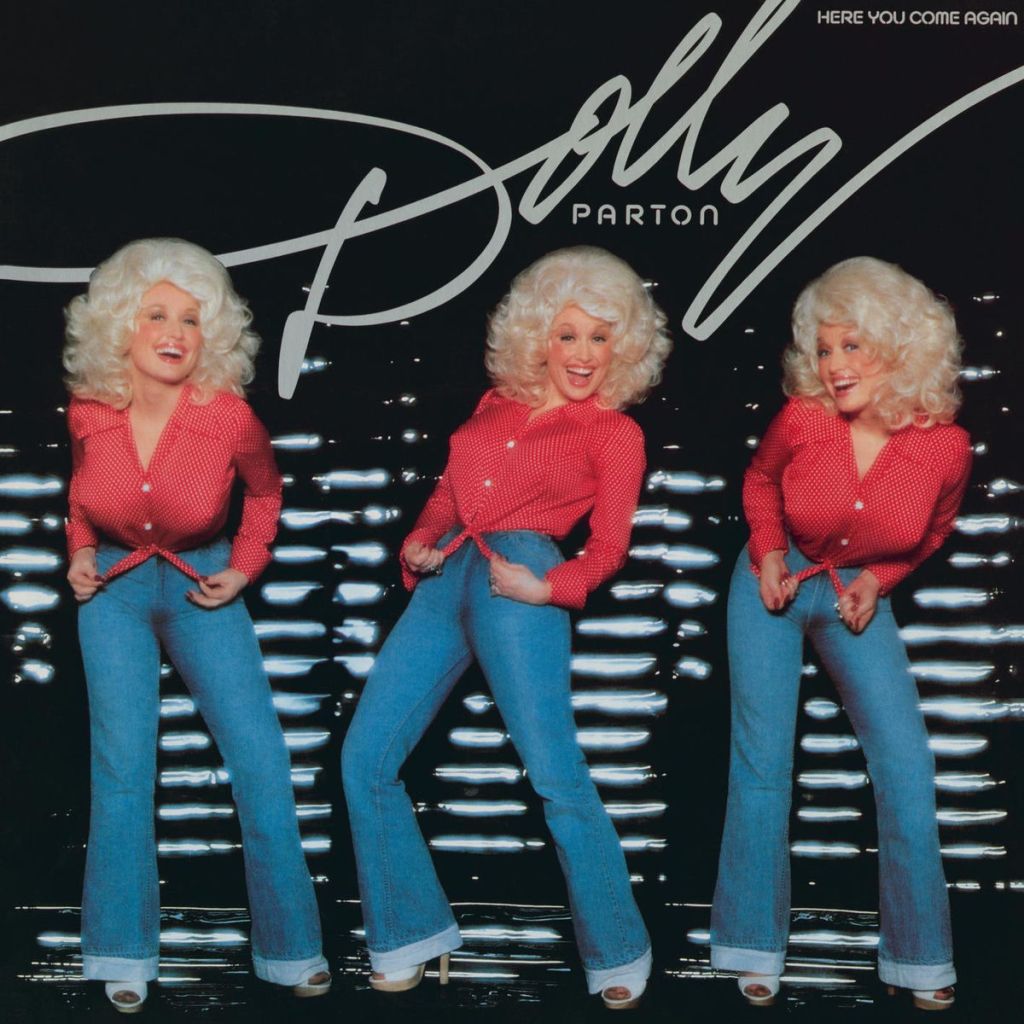
I was a fan of Dolly from my earliest memories. I was raised on country and she was huge for my parents and grandparents. Country was not only the soundtrack of my childhood, it was the first music I was actively obsessed with. When I was 10 and 11, at night I would sit and listen to music in my dad’s headphones: Barbra Mandrell, Waylon Jennings, the Oak Ridge Boys, and Dolly. I have especially vivid memories of listening to Dolly’s mid-to-late-70s albums like Jolene, Here You Come Again, and Heartbreaker, obsessing over all the details, studying them as it were.
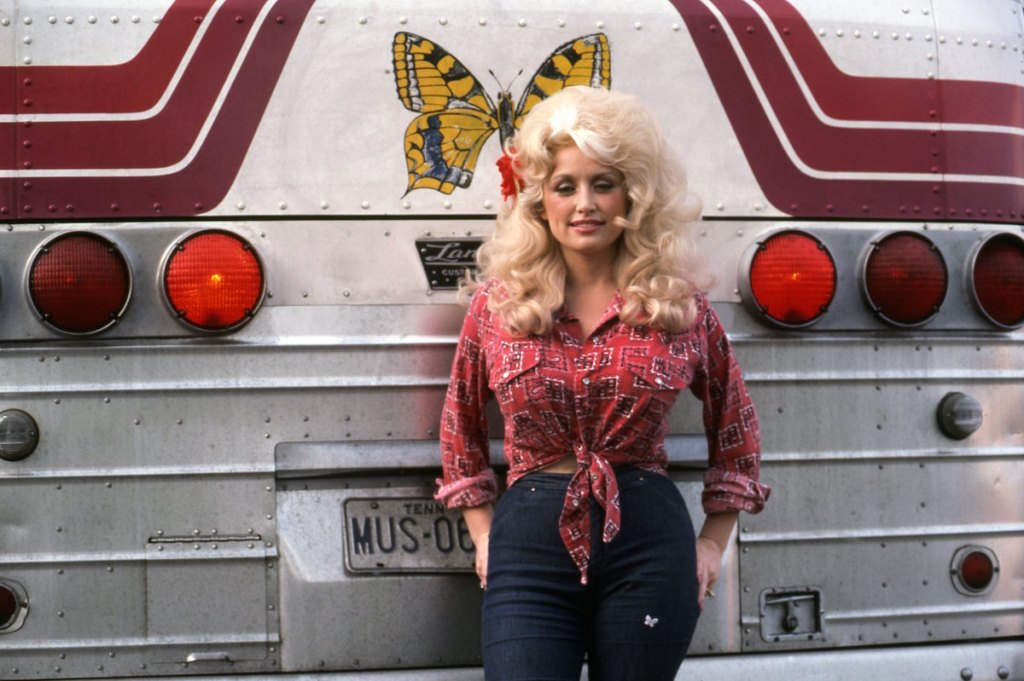
Revisiting her classics in the wake of her passing, I’m as awed by her as I was at 10: her exquisite and indeed soulful vocal range and control (contrast her delicately fluttering and dancing falsetto on “Love Is Like a Butterfly” to her throaty hollerin’ on “9 to 5”), her piercing ability to invoke real emotion (“I Will Always Love You” honestly sounds like she’s about to break down in the recording studio), and that country storytelling that relies so much on authentic, relatable detail. She was also a truly great and prolific songwriter, a fact central to her legend as a trailblazing woman artist. Consider that her debut album, Hello, I’m Dolly was released in 1967, when women country artists writing their own material was still a rarity, and only a few years after Bob Dylan and the Beatles made that standard in rock.
“Jolene” in particular fascinated me, made my hair stand up, almost frightened me with its eerily droning melody, Dolly’s wailing vocal that makes heartbreak, jealousy, and betrayal sound like a voice from the grave, and its almost mystically unclassifiable groove that to this day sounds equally at home on a playlist next to country, folk, electronic, or postpunk. It’s a miraculous song that feels like the curtain between worlds being lifted: that lonesome wailing Appalachian sound, Dolly’s native sound, not only revealing itself to be an influence on all of pop music, but reaching out and claiming all of pop music as its own for two minutes and forty-one seconds.
In later years I was astonished when “Jolene”’s legacy only grew and it came to be widely seen as one of Dolly’s greatest compositions (along with “I Will Always Love You,” which she, incredibly, wrote in the same night). The White Stripes’ cover, documented on their 2004 live DVD Under Blackpool Lights, was especially pivotal for me in understanding the enduring power of Dolly’s songwriting. I never stopped being haunted by that melody: it felt like my private childhood obsession had spilled out into the rest of the world. It was almost uncomfortable.
It’s significant to me that the 70s period of Dolly’s that I was weaned on was her crossover era, when she was heavily influenced by pop, soul, rock, disco, and the singer-songwriter movement. That had to have been a big influence on my evolution as a music fan.
In the mid-80s that “countrypolitan” sound was rejected by neo-traditionalists like Dwight Yoakam and Steve Earle, and as much as I love their music I can see that was as misguided as “disco sucks” rockism. As a teenager just getting into punk and alternative rock, unfortunately I bought into both for a time. I had to get older and less concerned with being cool to realize that the boundaries between pop, rock, country, and dance music don’t matter so much; or to see that “Here You Come Again” is a great song not despite but because of its 70s MOR soft-rock sound. We can talk about how the commercial interests of the Nashville industry pushed country artists to homogenize their output, but I would also argue that the inclusivity of the countrypolitan sound was socially significant, and represents what was special about Dolly: her ability to bridge genres, markets, and cultures.
I don’t mean to downplay her more traditional country; that was very important to me and still is. Growing up, my family’s collective favorite song by her was “Joshua,” from 1970. It was on a mixtape my dad made for long road trips in our Dodge van (along with other country of the era by the Gatlin Brothers, Ronnie Milsap, George Jones, and many more), and us kids used to sing along with every word. Intensely happy core memories! On this song her explosive vocal talent and her very country ability to tell a story that sounds like a whole movie in two verses over three minutes are at their very best, with that same brilliant, almost spoken-word cadence she would later use to great effect on “9 to 5.” The bit at the end when she breaks into yodelling kills me now just as it always did back then. The way she sings Ain’t you got nobody to call your own? is exactly how my grandma would have said it.
I felt instinctively that Dolly was one of us. She was raised in desperate poverty on a farm in the Appalachian foothills of Tennessee; my grandparents were raised on subsistence farms in Arkansas, not all that far away. Seeing her on TV back then, I always felt like a relative of mine had stepped into the screen. She was as bright and vivacious and earthy and real as the women who raised me, and she talked just like them.
This is one reason her death hit me hard, just thinking of her as a person like any other with people who loved her.
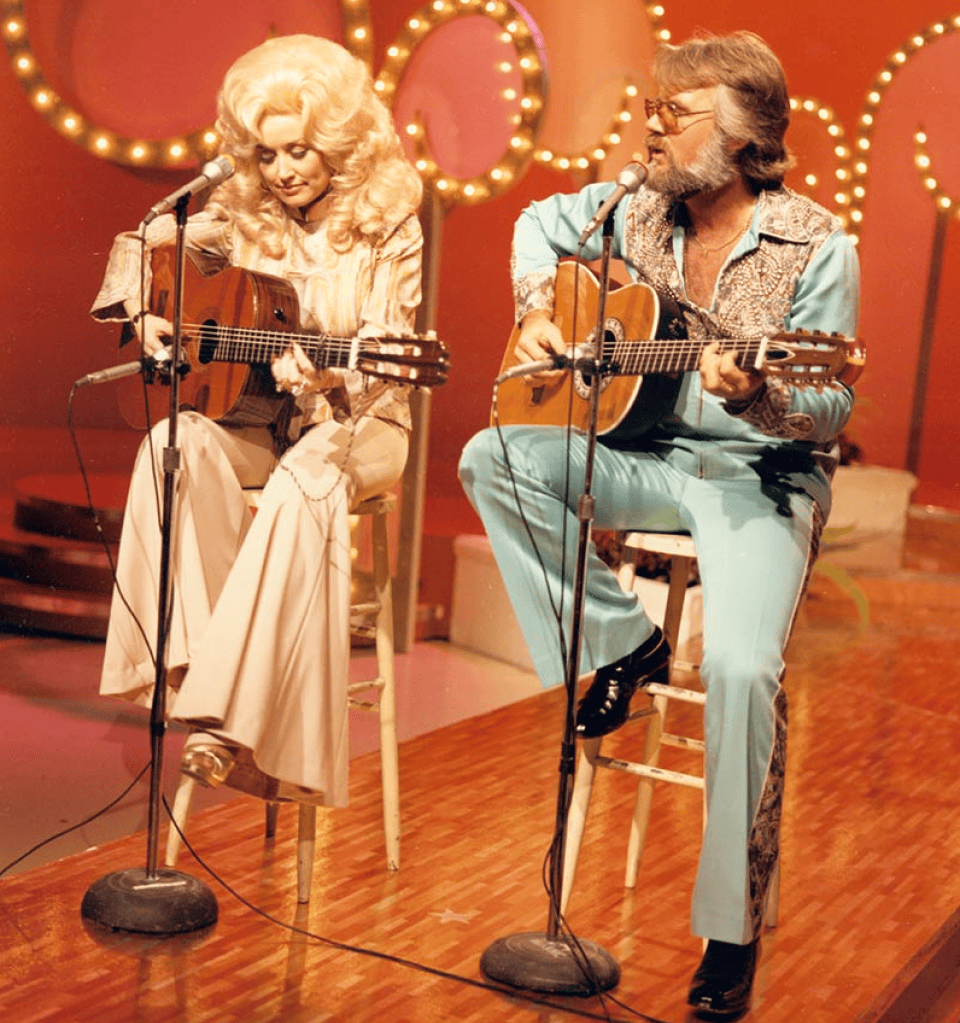
I was always proud of her, if that doesn’t sound too weird. When she starred in 9 to 5 and Steel Magnolias; when “Islands in the Stream,” a duet with longtime collaborator Kenny Rogers, went to number one in 1983; or when Whitney Houston made “I Will Always Love You” into a generational smash in 1992, for me it was always like, oh hey fam, good for you.
When my world expanded as Dolly became a star too big to be contained by Nashville, I realized that feeling of relatability, that feeling she was your people, was something everyone felt about her. That was her genius. Her vivaciousness and her delightfully warm, inviting, gregarious manner has been described as light in tribute after tribute, which makes it sound supernatural, but really it was the light of her very ordinary humanity: the light of someone who can be an artistic genius, who can achieve great fame, while remaining a recognizably real person, and a nice person at that.
In 2010 I was working at the Abu Dhabi Film Festival, and one afternoon while we were grinding out a deadline, a colleague from Beirut put on Dolly’s greatest hits on their laptop speakers. I was so struck by how everyone in the room, people from all over the world, Arab, Indian, Dutch, and Canadian folks, several of them LGBTQ+, got so into it, smiling and singing along, the energy in the room visibly lifted.
On that same trip, coincidentally I heard a Turkish house DJ named Subsky drop “Jolene” for a peaktime dancefloor at Minimüzikhol, an underground club in Istanbul. The crowd of clubbers, Turkish hipsters and international tourists, ate it up.
Together, those experiences were an epiphany not only about Dolly’s significance, but also about learning to be proud of my own musical and cultural roots instead of viewing them as problematic.
Dolly was no stranger to dancefloors of course; she had 12” remixes aimed at the heavily LGBTQ+, urban, and multicultural club market as early as 1978’s “Baby I’m Burnin’.”
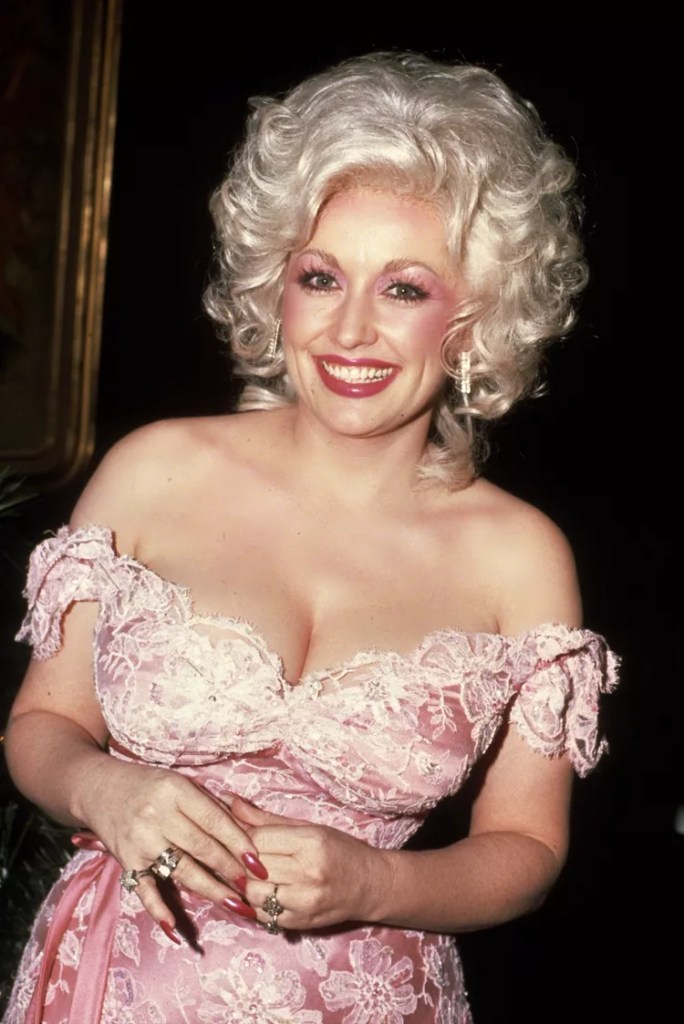
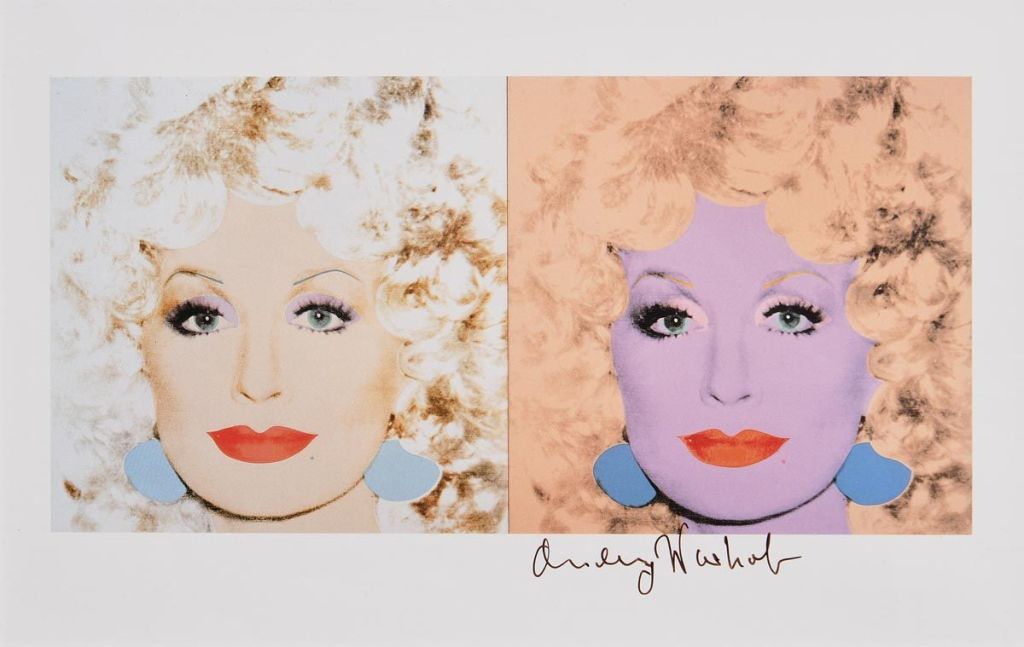
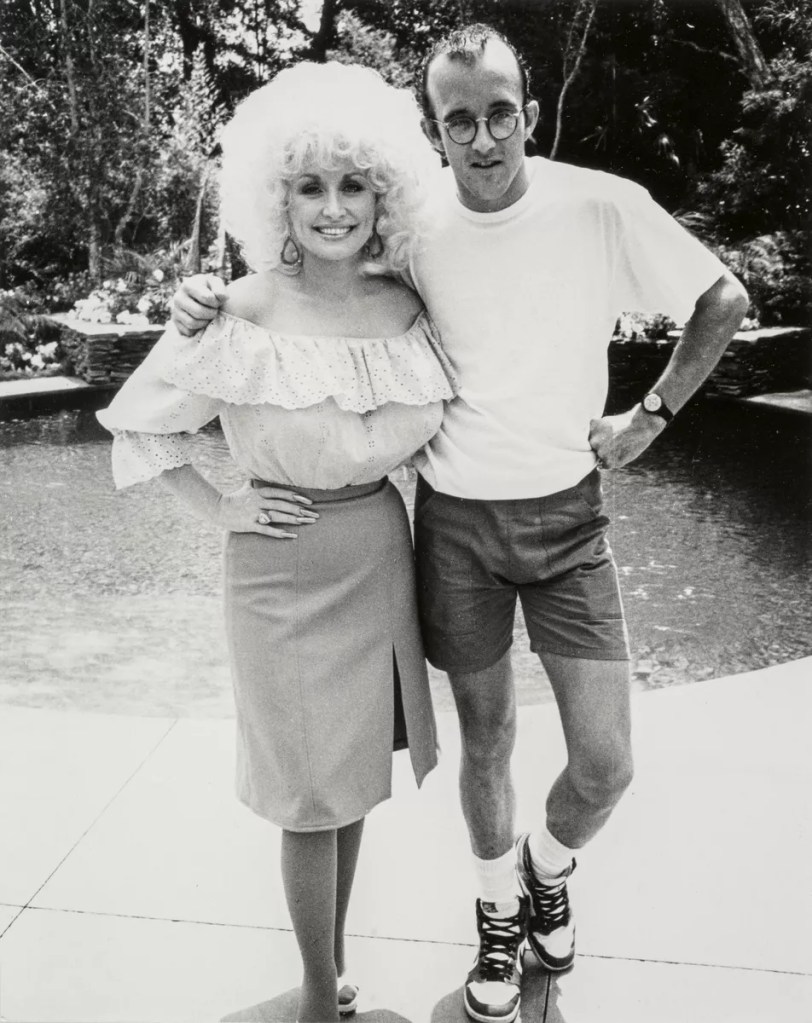
Dolly reached so many people despite never moderating her redneck accent or pretending to be anything but what she was. Paradoxically that involved a kind of performance — a kind of drag as it were, with the wig, heavy makeup, nails, and so on (I love that she’s regularly appreciated on the internet for her having had exceptional guitar and banjo skills despite or possibly because of her long acrylic nails). No doubt that’s central to why she was embraced as a diva by LGBTQ+ folks long before she started publicly advocating for them in the mid-80s (specifically it was her interview with Andy Warhol for the July 1984 cover of Interview magazine that marked an important turning point; Dolly told Warhol, “I got a huge gay following and some really macho-looking women. To me, people are people”).
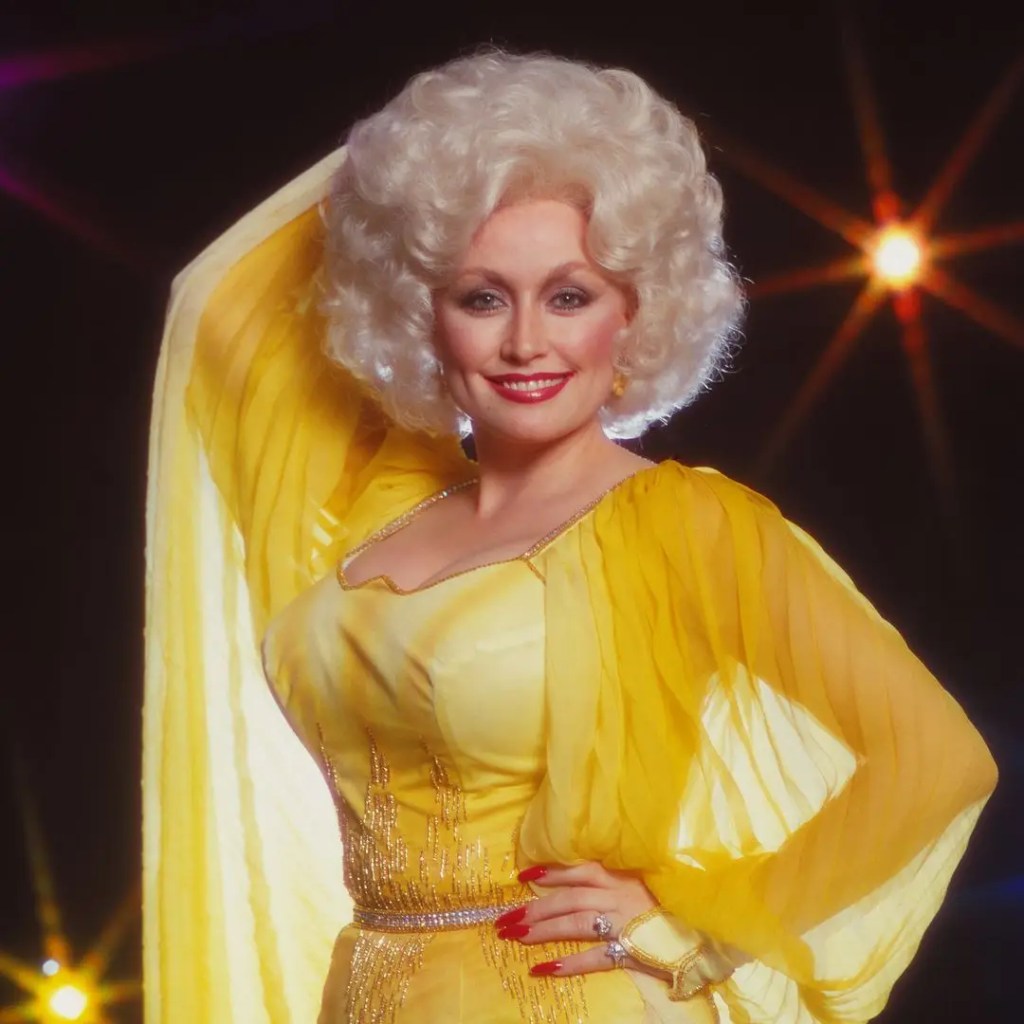
Even performing that “drag” she was never anything but her authentic self, and there’s an important truth there.
“I’ve always said that if I hadn’t been a woman, I would have been a drag queen,” Dolly wrote in her 1994 memoir. Youtube commentator Matt Baume says Dolly “didn’t just cultivate a gay audience. She had a gay sensibility herself.”
She was also never anything but generous and kind — the knowing kindness of someone who came from poverty. “I just always had a giving spirit the same as my mom and my dad,” she said in a 2022 Today show interview. We’re just goodhearted country people.” Even early on she extended that kindness to everyone. Possibly her biggest contribution to the world was showing that you can be proud of your country roots, you can be a proud redneck, without excluding other people.
It just made sense when she spoke out in recent years for the Black Lives Matter movement (“Do we think our little white asses are the only ones that matter?”) and trans folks (“I hope that everybody gets a chance to be who and what they are”). Who would have expected otherwise from Dolly?
The great Lindsay Ellis has a new video about Parton’s legacy — which she completed just a couple of days before Parton died after working on it for months (a jarring experience for her I’m sure). In it she discusses at length Parton’s singular ability to transcend the culture wars and remain cherished on both sides of the political spectrum. “For someone so beloved by Republicans,” she says, “Dolly has a remarkably consistent record of saying things that on paper should make them very mad.”
UPDATE: Ellis’s video was on Youtube when I published this article, as a gift to honor Dolly on her passing, but it’s since been moved to Nebula, where it’s available to her subscribers only.
Now, I have no use for centrism and I don’t actually care about appealing to Republicans if it means ignoring their bigotry (I also think “Republicans” is increasingly an antiquated term for “the people who want concentration camps”). But Ellis makes a powerful case that Dolly wasn’t a centrist in the bland sense of making nice with everyone and smoothing over conflict, although she was good at that too. She won people over with real material support, especially her astonishingly extensive charities. These include a scholarship fund for high-school students in her home county in Tennessee that drastically raised graduation rates; numerous disaster-relief funds and initiatives; and of course the Imagination Library, which has distributed hundreds of millions of books to children around the world and has had measurable benefits in bolstering literacy. According to research conducted by Western Sydney University’s Clare Galea:
The worldwide evidence showed that children enrolled in the Imagination Library were significantly more likely to display foundational early literacy skills and to develop an interest in reading compared to those not on the program. In Australia, enrolled children were found to be nine times more likely to be interested in books, 17 times more likely to join in during shared book reading, and six times more likely to demonstrate key emerging literacy skills than those who were not enrolled.
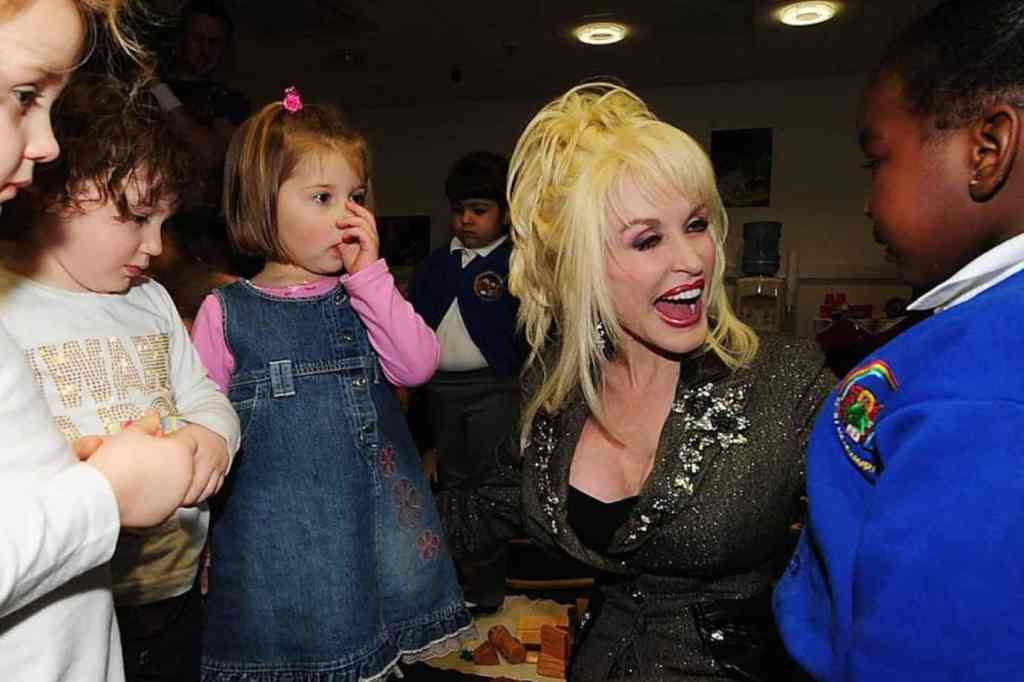
Dolly built her theme park, Dollywood, in a disadvantaged area in the Smoky Mountains where she was raised, creating thousands of jobs and turning it into a regional economic center. With her royalties from Houston’s recording of “I Will Always Love You,” she quietly invested millions building an office complex in a Black neighborhood in Nashville, providing the area with an economic boost. She called it “the house that Whitney built.” In the early stages of the COVID pandemic she donated $1 million to Vanderbilt University Medical Center for vaccine research. Thinking about the number of lives she helped save through that action alone amazes me.
You can imagine the genuine compassion and care that went into each of these decisions.
And there was something a little bit more staunch about Dolly’s views than mere fence-straddling. Unlike most politicians she wasn’t afraid to stand up for the oppressed before it was widely popular to do so. She leveraged her considerable fame and influence, taking real risks to support those who needed it — vocally defending LGBTQ+ people in the 80s and 90s when that might have provoked a career-impacting backlash in Nashville.
It wasn’t just nice words: she produced an Oscar-winning documentary about the AIDS epidemic, Common Threads: Stories from the Quilt, in 1989 — early in the pandemic, when AIDS victims were still shunned in the mainstream. Baume discusses that doc at length in his video about Dolly:
She also contributed a song to the 1994 Red Hot + Country compilation album to raise funds for AIDS research. She paid for a trans staff member’s medical costs so they could transition in the 1990s; and employed a trans man, Jason Pirro, as her chauffeur for 30 years; according to Pirro’s account Dolly was always completely supportive. She recorded a song for Transamerica, a 2005 comedy-drama about a trans woman who sets out on a road trip with her long-lost son. Dolly made sure the lyrics of “Travelin’ Thru” contained a heartfelt message about acceptance of trans folks (God made me for a reason and nothin’ is in vain); the song was nominated for an Oscar. In so many ways, she walked the walk.
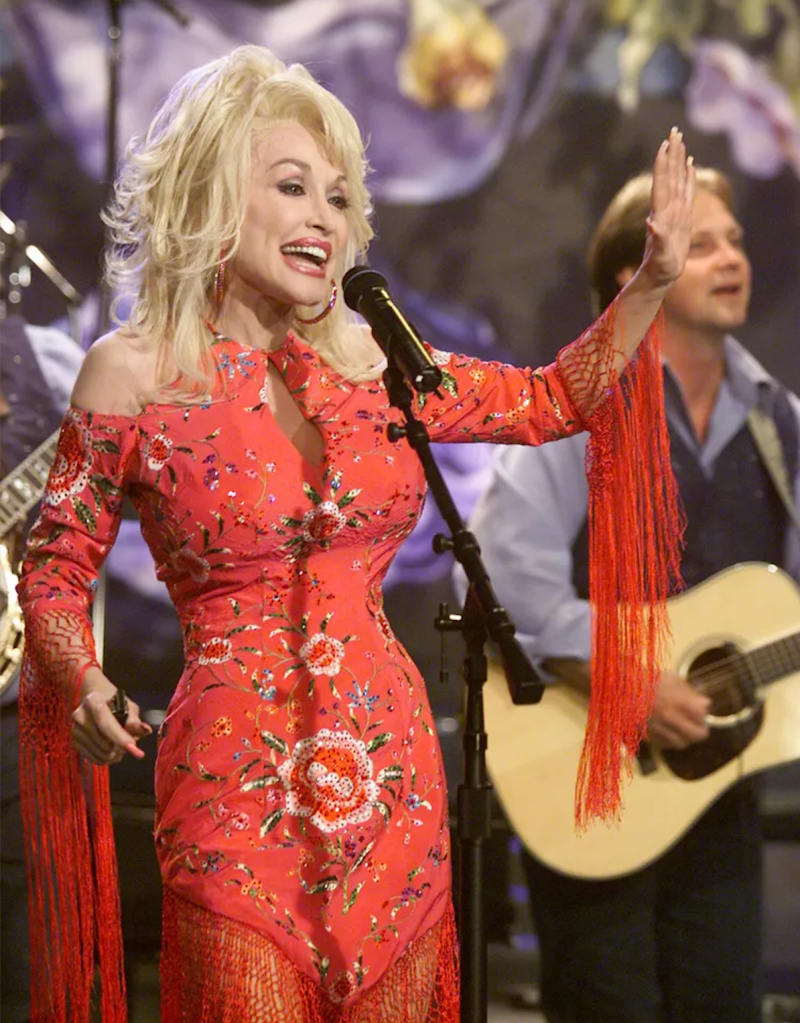
One of Dolly’s tactics when courting controversy was to use her famous country charm as a shield. In 2009, when asked about marriage equality during a CNN interview, Dolly responded by saying, “Sure, why can’t they get married? They should suffer like the rest of us do.” Classic Dolly: taking a genuinely brave stance (six years before marriage equality became the law, when it was still a raging culture war), but turning it into a ribald (and honestly funny) joke, giving herself just enough leeway to make it seem safe for conservative Christians in her fanbase. In opposing North Carolina’s anti-trans bathroom bill in 2016, she cracked, “I just know if I have to pee I’m gonna pee. I don’t care where it’s gonna be.”
An even bigger explanation for why she got through to so many people is that she was a lifelong professed Christian in the way you’re supposed to be: through giving and selflessness, loving your neighbor instead of judging them.
She wasn’t afraid to offend other Christians with her inclusive ways. “If you’re the fine Christian you think you are, why are you judging people?” she said of her right-wing Christian opponents on Larry King Now in 2016.
Because she was so universally beloved, and because the values of her religion led her to do so much good, it’s become common to refer to Dolly as a saint (“Instant Sainthood” was Jack White’s two-word post on her passing, which is how I found out the news). As lovely as that sentiment is, I think the notion of sainthood takes away from her humanity, her accomplishments, and the difficult choices she made.
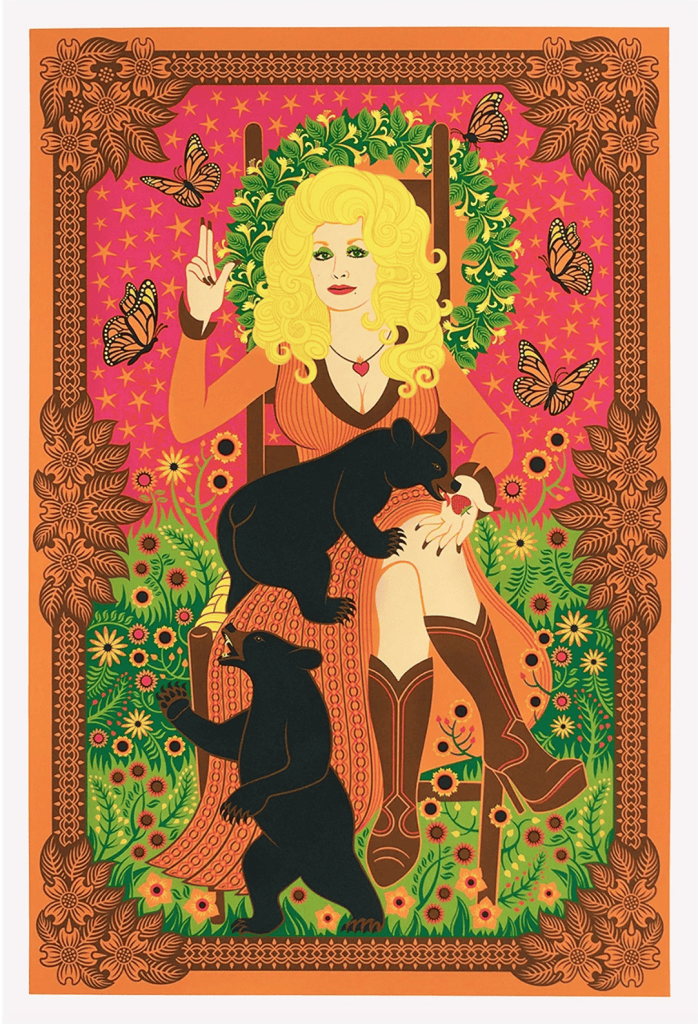
Still, I will always love this painting of Dolly as an icon by artist Stacie Williams:
One reason I appreciate Ellis’s video is that, although she’s clearly a big fan (she cries during the video’s introduction, recorded the day Dolly died), she retains objectivity. She talks about the savvy social-media PR involved in revitalizing Dolly’s image for a new generation beginning in the 2010s. She’s critical of Dolly’s tendency to be wishy-washy when pressed on certain issues: “I’ve got as many Republican friends as I’ve got Democrat friends. I don’t like voicing my opinion on things… I’ve seen things before like the [Chicks]. You can ruin a career for speaking out.” If I were one of the Chicks that might have made me a little uncomfortable.
A native of East Tennessee herself, Ellis points out that Dolly in fact played up her country accent — part of “the Dolly character,” which Ellis says was “authentic, but also a show.” That’s a welcome bit of nuance (my grandma really did talk that way though).
Ellis makes these observations before ultimately concluding that yes, she was really That Great (to quote the title of the video). She may have used deflecting language (“I am not political, and I refuse to get caught up in political things” is another unfortunate quote that got shared round a lot this week) but her actions spoke for themselves, and there will probably never be another public figure as unifying as she was in this unravelling society.
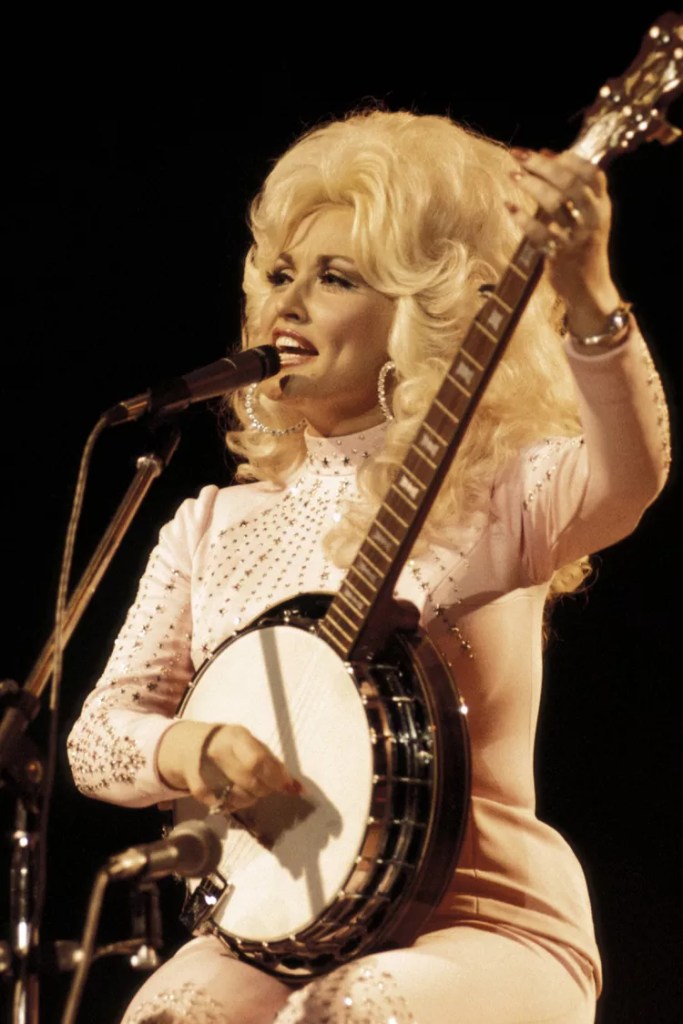
I can’t fully explain how important it is to me that one of my childhood heroes, an icon of the conservative Christian, Southern-accented world I was raised in, would turn out to be such a thoroughly decent, progressive person and champion of the downtrodden later in life (the same is true of a few others, including Willie Nelson and Johnny Cash). My life has been filled with contradictions: rejecting many of the politics and backwards attitudes of my upbringing, while cherishing my Southern, working-class roots. Sometimes I lose sleep over it; sometimes I can see how it all fits together and I feel okay. Looking at Dolly’s life makes me feel okay. There’s a kind of redemption there.
She did that for a lot of people. On one of many tributes to her I saw on Instagram, someone commented saying that as a gay youth growing up in the South in the 80s, Dolly made them feel that life was worth living.
This is a reader-supported blog. If you like what you’re reading, consider buying me a coffee! You can also subscribe below, at the bottom of the article.
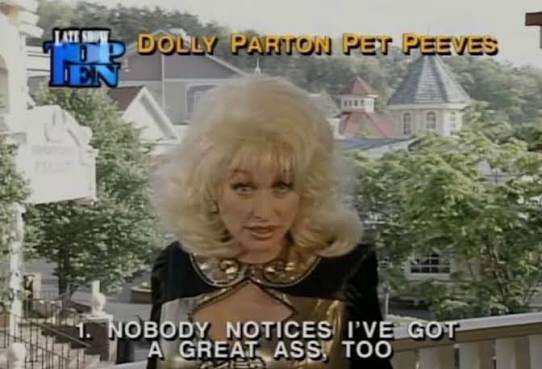
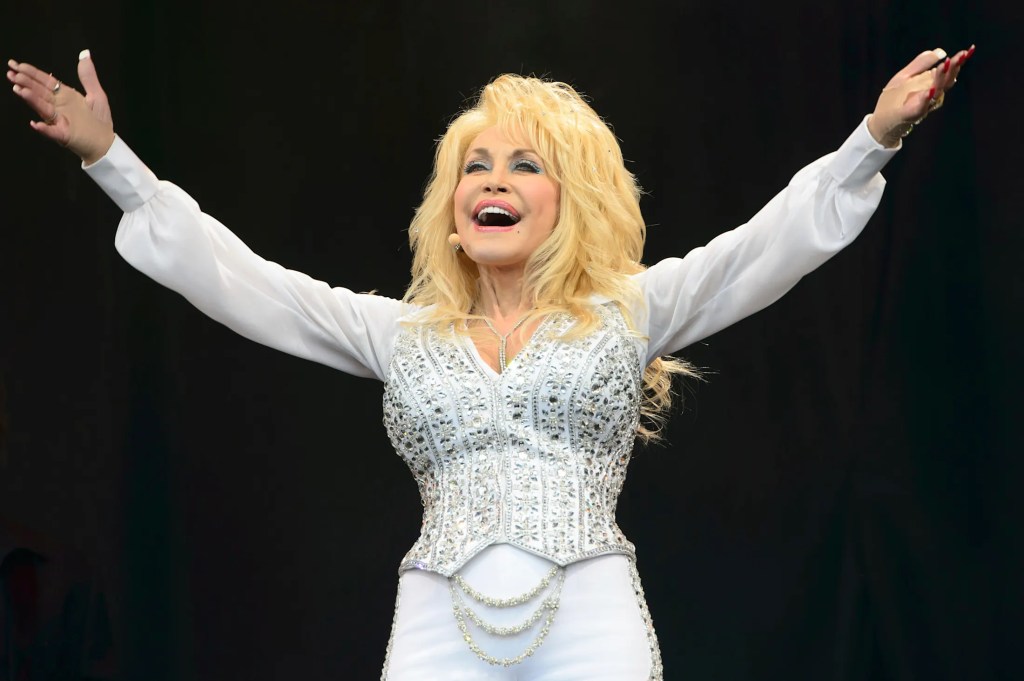
I think because I felt such kinship with Dolly, I always thought it was lame that her name became pop-culture shorthand for big boobs or dumb blondes in the mainstream media for years in the 80s and 90s. But she leaned into the camp of her hyperfeminized, flamboyant image with grace and humor.
Her famous joke was “It costs a lot of money to look this cheap.” I either forgot or never knew that her first charting single was 1966’s “Dumb Blonde,” in which she preemptively dismissed criticisms of her looks. Just because I’m blonde don’t think I’m dumb / ’Cause this dumb blonde ain’t nobody’s fool
Dolly long maintained that she’d based that look on the “town trollop,” saying that as a girl, “I just thought she was the prettiest thing I’d ever seen.” As Ellis points out, this story might well be apocryphal. But I think it says a lot about Dolly’s nonjudgemental character, her embracing of society’s outcasts, her refusal to slut-shame, and her knack for a good yarn.
Contrary to the moralizing boomers who endlessly fill comments sections with falsely nostalgic drivel like Back when musicians were classy, no need for skimpy outfits or swearing, nothing but talent, Dolly enjoyed being trashy (or at least feigning that she was), loved telling dirty jokes, and knew how to have fun.
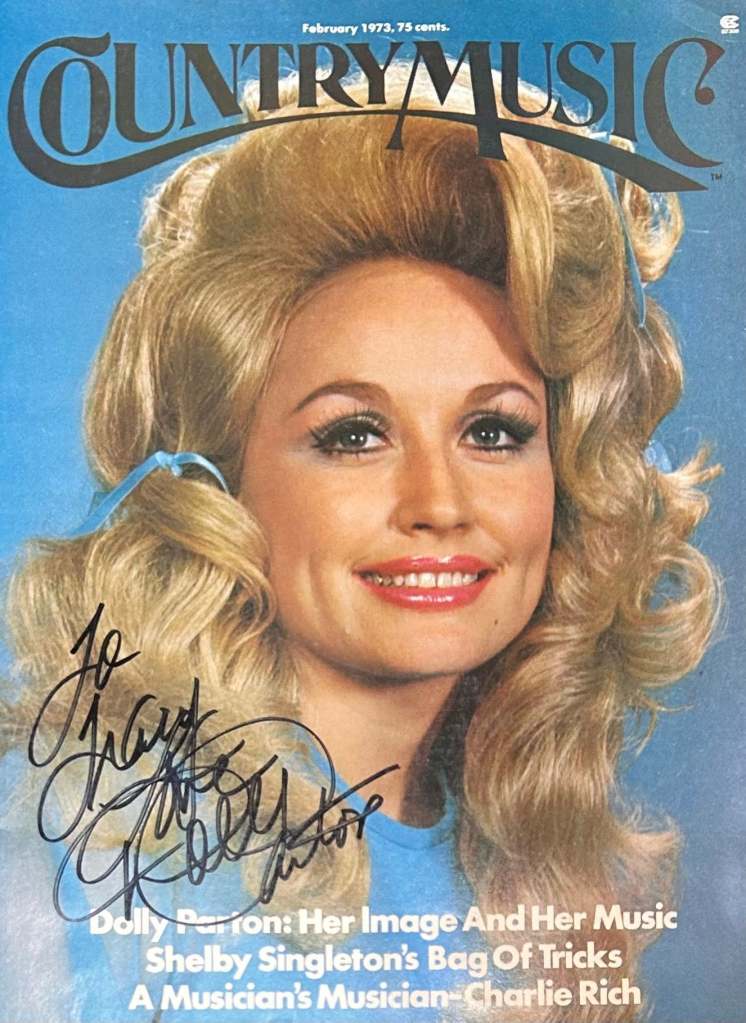
Reading interviews with her in my grandpa’s country magazines circa 1981, even back then she foregrounded the work involved with being a woman in the music industry, and the performative nature of her femininity.
As a 10-year-old, something about that opened my mind before I could label it feminism. It just made sense that she was cast in a feminist movie with Jane Fonda — one that Fonda based on a real movement for workplace equality.
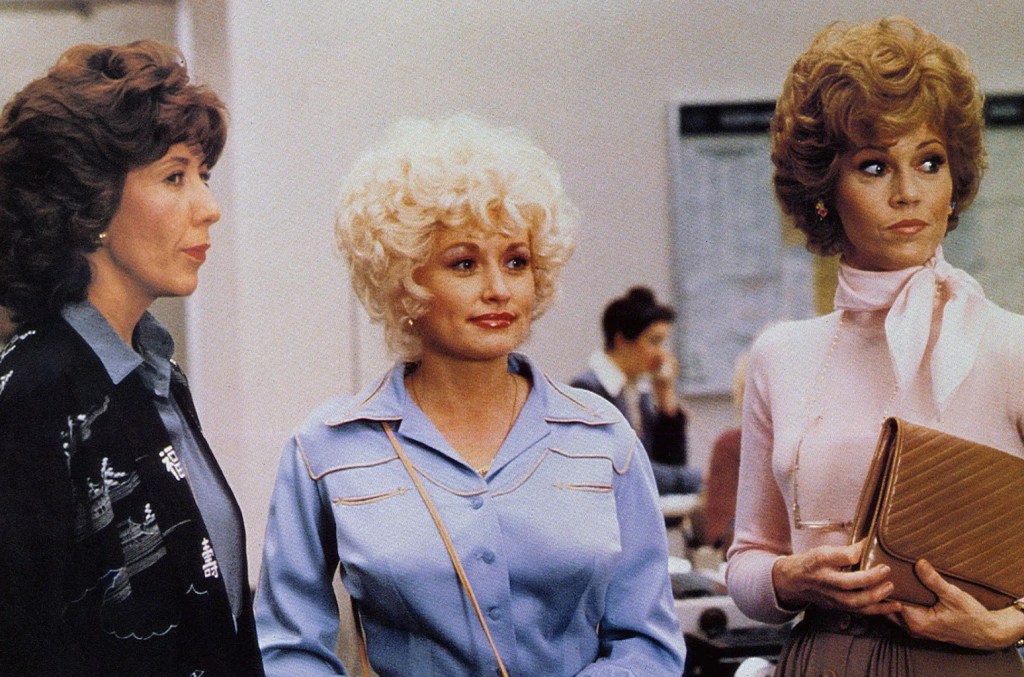
As Ellis points out, Dolly herself rejected the term “feminism,” even later in life. When asked if she was a feminist by one of the hosts of the Dolly Parton’s America podcast in 2019, she responded with “No I’m not. I think of myself as a women in business, because I love men.” This would be a lame cop-out in anyone but Dolly.
Her statement from her nephew on the day she died said, “She wants to rest in a beautiful bed of plush cotton because after a life wearing heavy rhinestones, she finally deserves to be comfortable and have some rest.” That plain but gentle acknowledgement of weight, of the material burden, of being an entertainer, and let’s face it, being a woman in this world, says so much about why she won the hearts of so many. She managed to consistently be this real while also being grateful for her fame and fortune.
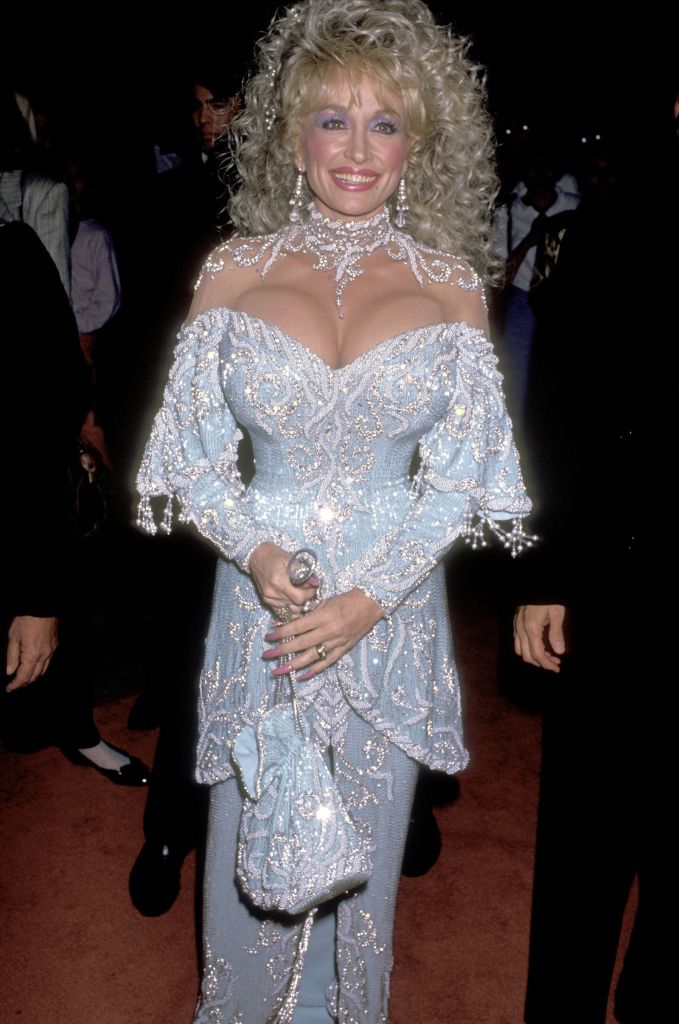
And she was never defined by men, not even Porter Wagoner, who mentored her and saw her massive talent develop on his weekly TV show beginning in 1967. The two of them seemed to always be singing together on TV when I was a kid, and in my childlike imagination I always thought of them as a kind of family, if not an actual romantic unit (which apparently they never were). Hearing about how complex and thorny the working relationship actually was for Dolly is disquieting, but unsurprising if you have any clue about the reality for women in the music industry. After years of “bashing heads” with Wagoner, despite how much he meant to her, she wanted independence. “I just wasn’t going to take somebody else’s idea of who I was and live under their roof,” Dolly said. “I had my own Identity and I had to fight to keep it and I’m still doing that.”
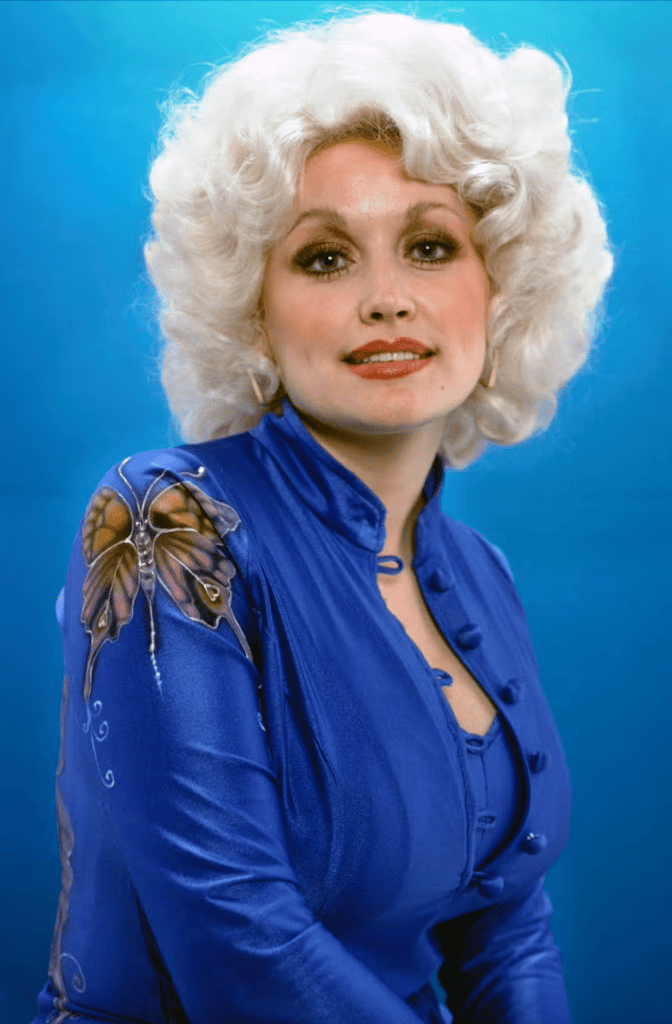
This was a difficult decision for her, as indicated by the intense emotion of “I Will Always Love You,” her “breakup” song for Wagoner, which she sang to him in his own office because she couldn’t find another way to say it to him (Wagoner, who cried hearing it, also demanded to produce the recording, which is wild to think about).
He then sued her for breach of contract, which she settled for $1 million (“It took a while to pay it back, but he got the first million dollars I ever made,” she said on Dolly Parton’s America in 2019). They didn’t talk after that for years.
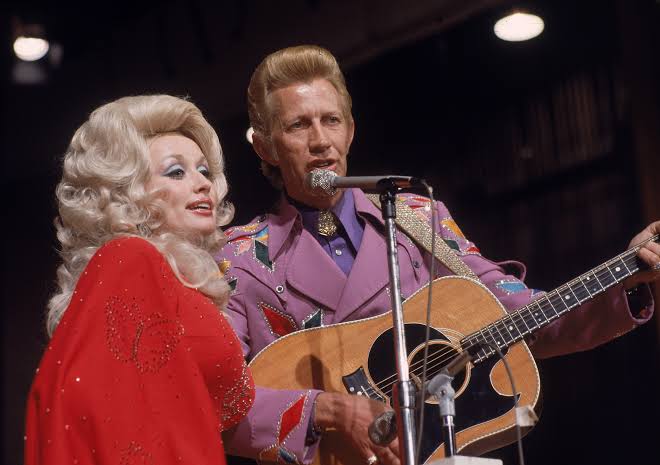
Years later, when Wagoner was mired in debt to the IRS, Dolly (who was now very rich) came to his rescue by buying his publishing rights, then gifting them back to him with no strings attached. Ultimately they made up; she sang “I Will Always Love You” to him at the Grand Ole Opry in 2007 (the same year I saw Wagoner open for the White Stripes at Madison Square Garden), and a few months later sat by his bedside as he was dying of cancer.
No biopic could do justice to this kind of real-life melodrama — and yes, Parton’s estate has announced that a biopic is in the works, along with a slate of other projects aimed at sealing her legacy. This is not good news to me; I hate music biopics and consider them the bane of contemporary cinema. Can you imagine an actor successfully taking on the persona of Dolly Parton of all people for the big screen without making it seem like a lame SNL parody?
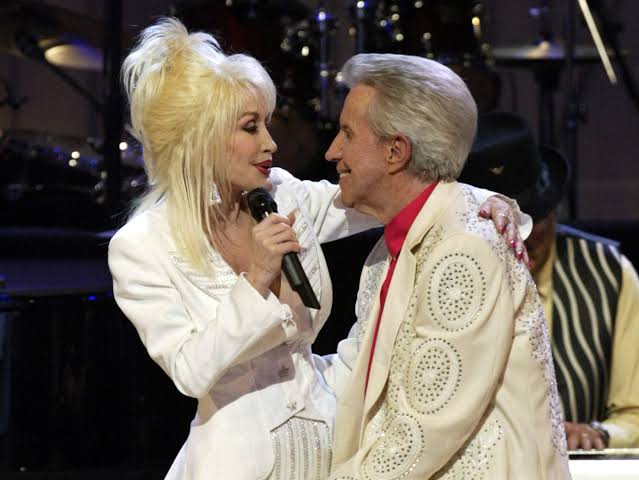
Her character is also demonstrated in the story of another turning point in her career involving the same song. Dolly said she “cried all night” when she turned down Elvis Presley’s request to cover “I Will Always Love You,” because she refused to cede half of the publishing rights to Elvis, as demanded by his nightmare of a manager, “Colonel” Tom Parker. “I just had to keep that copyright in my pocket,” as she put it. She was proven right when Houston took it to the top of the charts 18 years later; Dolly earned millions from that recording.
These accounts are so wrenching because they show the real emotional stakes for Dolly as she stood her ground and protected her own independence as a woman in the industry in a time when that was rare, especially in the conservative world of Nashville. It was a big deal to say the least, and it opened up many doors for later generations of women.
In Taylor Swift’s tribute to Dolly last week, she said that Dolly “possessed the softest heart when it came to the struggles of others, and a backbone of steel to defend her own self-worth as an artist.” It’s easy to see why she would emphasize the latter: Swift (who also conquered Nashville as a teenager before going on to bigger things and becoming her own economic force) is one of the beneficiaries of Dolly’s legacy, and has in turn made great strides for women artists in her own battles for control of her work.
Dolly was beloved on the left for good reason. The scale of her material support for the poor and needy transcends our usual ideas of philanthropy. When she donated $1000 per month unconditionally to wildfire victims in Tennessee, an amount that could lift a family out of poverty, one commentator cited by Ellis described it as “soft-launching socialism.” I don’t agree — socialism isn’t just redistributing wealth, it’s workers running society — but it does point to what made her special and significant. She gave away so much money so regularly she kept herself from ever becoming a billionaire. In this society, in this day and age, that’s something to applaud.
A comrade said that if the Imagination Library was the only thing she’d done in her life — a massive achievement in promoting literacy in a world seemingly bent on eradicating it — it would have been a life well-lived. On the day Dolly died, Marxist activist Sirantos Photopoulos wrote, “Read through a class lens, [the Imagination Library] functions as a redistribution of cultural capital, an attempt to hand working families a resource the market would otherwise price out of reach.”
The multicultural love and solidarity expressed towards Dolly has been telling. Many Black people in particular have mourned her as one of their own; I saw countless tributes to her from Black folks in the past week (I’ve embedded singer/songwriter Brielle’s lovely cover of “Here You Come Again” as a representative sample).
This should come as no surprise. Not only was she one of the few country singers to support BLM, not only did she collaborate with and show appreciation for Black artists throughout her career, from Whitney Houston to Patti Labelle to Ladysmith Black Mambazo to Beyoncé. If you invest in childhood literacy and in building infrastructure in Black neighborhoods you are improving Black lives materially, and that makes all the difference. Dolly rose out of poverty and then gave back to her community and the world, and that’s another way to win the respect of Black folks.
Dolly is appreciated by Latinx folks too, especially for her cover of Woody Guthrie’s 1948 protest song “Deportee (Plane Wreck at Los Gatos),” included on her 1980 album 9 to 5 and Odd Jobs. It’s a cry of anger at the fatal crash of a flight filled with migrant farm workers being deported from California to Mexico, and the racist coverage in the New York Times that named the white crew and security guard who died but none of the passengers. The lyrics are even more relevant now, in the age of Trump and ICE’s horrific anti-immigrant campaigns, than they were in 1980:
Some of us are illegal and some are not wanted
Our work contract’s out and we have to move on
But it’s 600 miles to that Mexican border
They chase us like outlaws, like rustlers, like thieves
Goodbye to my Juan, goodbye Rosalita
Adios mis amigos, Jesus and María
You won’t have a name when you ride the big airplane
All they will call you will be deportee
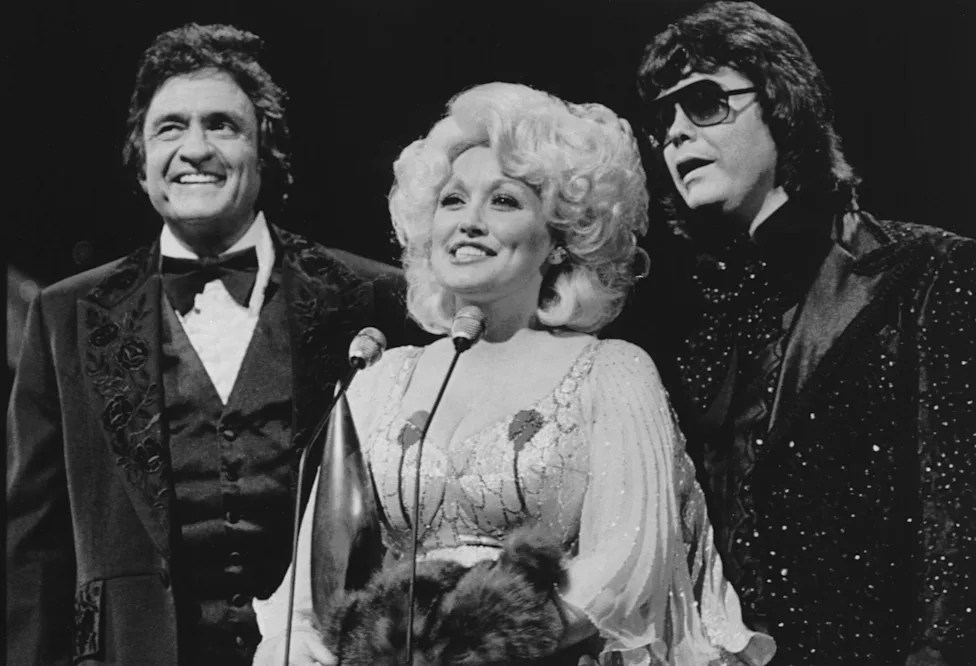
9 to 5 and Odd Jobs is so interesting because, in keeping with the labor-focused theme of the namesake film, Dolly put together a concept album about work and workers: aside from the title track and “Deportee,” other titles include “Song for the Common Man,” “Working Girl,” Bobby Bare’s classic “Detroit City” (about migrant Southern workers in the North), and “Dark as a Dungeon,” a coal miners’ lament written by Merle Travis and made famous at Folsom Prison by Johnny Cash. It’s an uncompromising tracklist Cash himself (who introduced Dolly in her first appearance at the Grand Ole Opry when she was 13) would have approved of. It’s as if Dolly wanted to make sure the politics of the hit comedy were crystal-clear to as wide an audience as possible (and indeed the album topped the country charts for months). It’s as if she wanted to remind her listeners that country is supposed to be explicitly all about the working class.
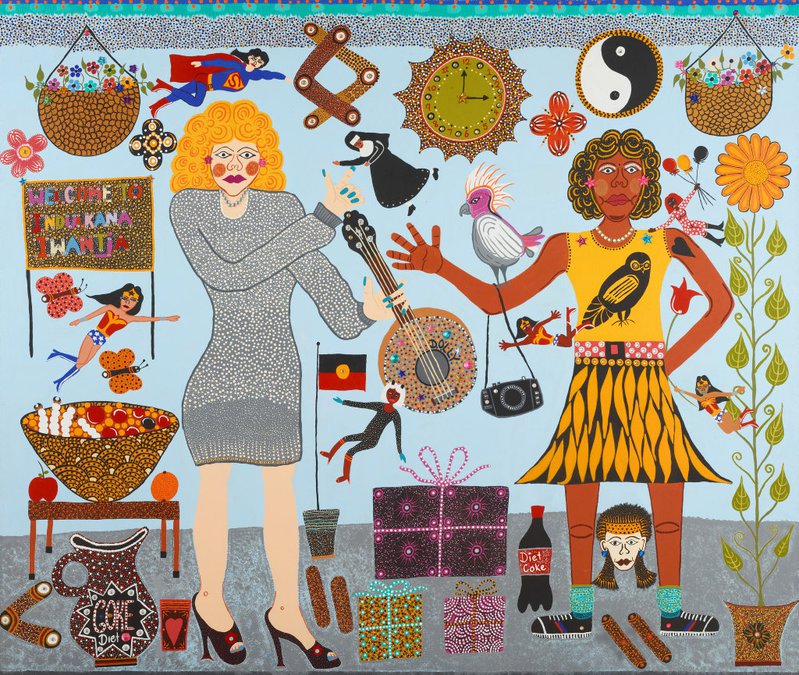
Dolly was also widely loved by First Nations people here in Australia. Country music is huge for many First Nations folks owing to its association with rural labor (a fact that never ceases to delight me), and Dolly was an icon among icons for many of the same reasons mentioned above. It’s worth noting that the Imagination Library distributed books to First Nations kids here and featured several Aboriginal and Torres Strait Islander authors.
I love this 2020 painting by Anangu artist Kaylene Whiskey, who says Dolly came to her in a dream:
At the same time, some on the left will remind you that Dolly was very rich, a capitalist, a member of the investor class. I won’t waste time addressing the whataboutism I’ve seen this past week from a minority of joykilling leftists trying to dismiss her legacy because of her wealth or because she retained some conservative beliefs. I don’t want to dignify them with an argument. It’s enough to say that I don’t think there’s a contradiction there. No, she wasn’t some kind of radical or socialist; she was a businesswoman (I find it significant that her 1994 memoir was titled My Life and Other Unfinished Business) who ran a big entertainment empire. She may have given away untold millions but she was also a smart operator who made sure the money kept rolling in.
We can be real about that while celebrating all the objectively good things she did. She embodied the best of what you can be within a system that needs to go.
And yes, she also sang eloquently about what was wrong with that system. There’s a reason the lyrics of “9 to 5” are so frequently memed and cited by socialists: It’s a rich man’s game, no matter what they call it / And you spend your life puttin’ money in his wallet. That’s just Marxism, no matter what she called it!
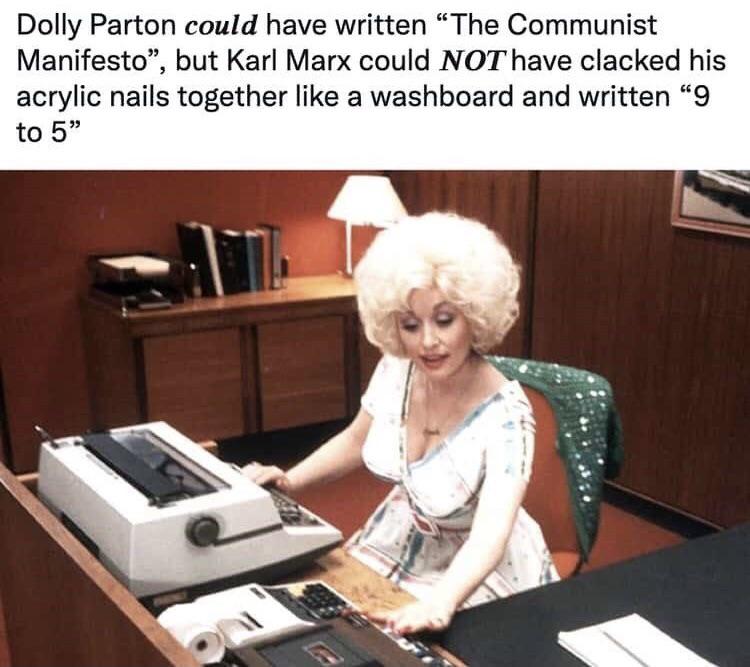
I think the key to why those lyrics are so piercing even after 45 years is not only the empathy for working folks, not only the plainly stated inequality of the workplace under capitalism, but also the very country specificity in the storytelling detail (getting out of bed, the coffee, the commute). Dolly may have loved everybody, but she came from a specific class: the working class, and she had a tremendous ability to express the hopes, dreams, fears, and pain of that class in song.
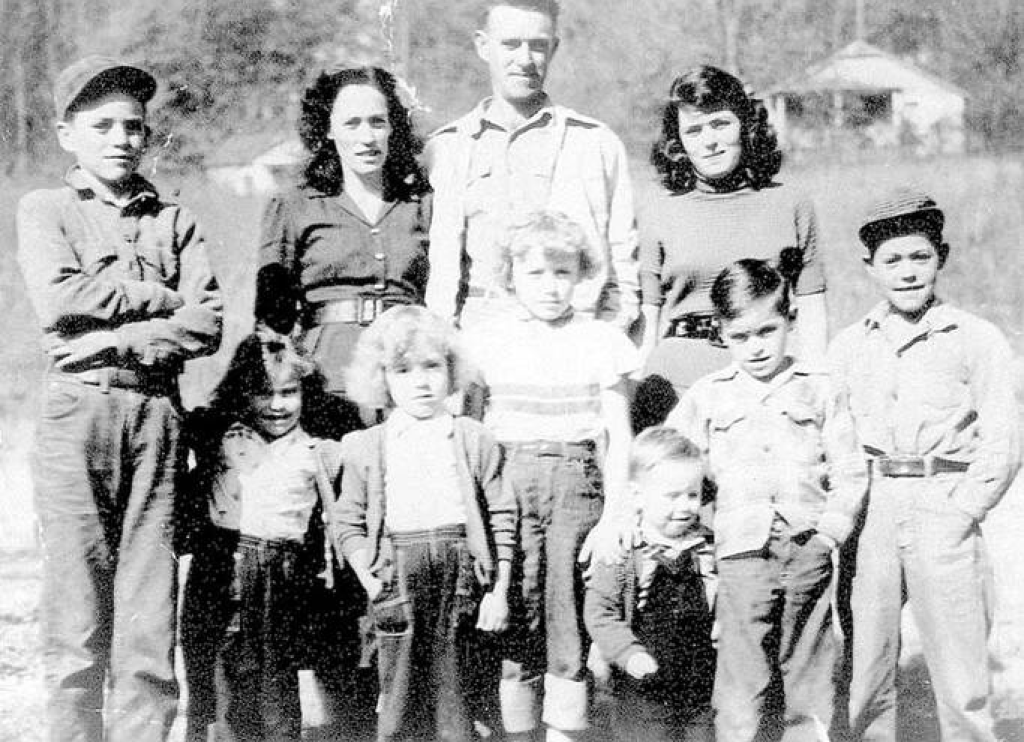
This world didn’t want Dolly Parton to succeed. In his obituary post, Photopoulos talks about the political and social forces arrayed against Dolly and her family at the time of her birth:
Dolly Rebecca Parton entered a household defined by scarcity, in a rural Tennessee economy where cash rarely circulated and survival depended on barter, kinship, and unpaid female labor. Her birth itself was paid for in cornmeal, a sack handed to a country doctor because currency simply had no place in that house. Appalachian subsistence life was stripped to its bones there, a family positioned entirely outside the wage economy yet fully subject to its verdicts.
Marxist analysis treats poverty as structural rather than moral, a product of land ownership, extractive industry, and the systematic underdevelopment of Appalachia by outside capital. Coal companies and timber interests had spent generations stripping the region’s wealth while leaving its people without electricity, plumbing, or reliable healthcare. Dolly’s family lived downstream of decisions made far away, by men who never set foot in Sevier County. Their poverty followed a clear economic logic, manufactured and sustained for profit that landed elsewhere […]
Her father could neither read nor write, a fact she returned to across decades of interviews with an ache that never fully resolved. Illiteracy in Appalachia rarely reflected an accident of intelligence. It grew from chronic underfunding of rural schools, the demands of farm labor that pulled children out of classrooms, and a broader neglect of a region treated as a resource colony rather than a place full of people deserving investment. Watching her father live his whole life locked outside written language gave Dolly a direct, embodied understanding of how systems reproduce disadvantage across generations.
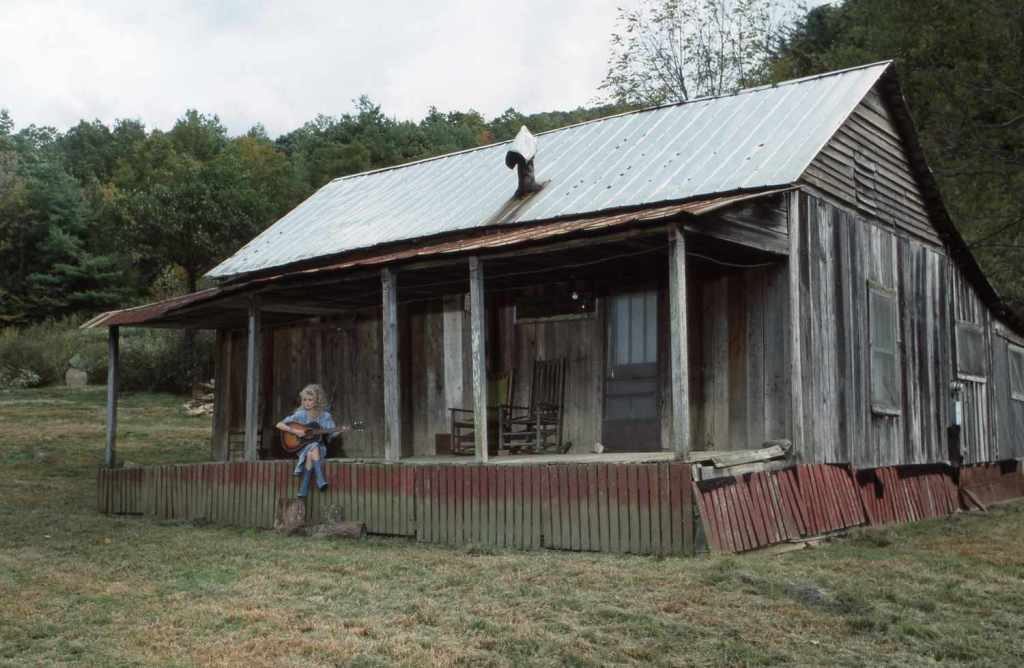
Yet succeed she did. The fact that someone could be born into a situation resembling medieval peasantry — a family with twelve children in a two-room farm cabin with no electricity or running water — and then go on to dominate the country and pop charts, star in Hollywood movies, headline Glastonbury, build a hugely successful theme park, and become a cultural and business icon is the stuff of fantasy books. She succeeded on her own terms, through her matchless, generational talent and her steely determination as a pioneering woman, but her track record of sharing her wealth and supporting some of the most marginalized in society reveals her awareness that she didn’t do it all by herself. She felt class solidarity all her life and she showed it in many ways: in song, in her welcoming down-home charm, and in her acts of giving.
In a verse in the gospel of Luke that Dolly would have been very familiar with, Jesus states, Blessed are you who are poor, for yours is the kingdom of God. Setting aside theology, it’s a striking and powerful affirmation of the value of the lower classes, the ones who did all the work in the ancient Roman world as they do in ours (especially in contrast with Matthew’s Blessed are the poor in spirit, which softened the pronouncement and aimed it at a broader audience than the lower classes). It promises hope and dignity and abundance to people who have been taught to expect nothing out of life, who are ignored or ridiculed or despised by the rich and powerful even as they’re brutally exploited. It says there is something intrinsically special and beautiful about the poor and working classes, whether we call it the collective genius of survival, or we call it solidarity — or indeed whether we take it a step further and argue that they produce everything in this society and deserve everything. Because we’ve been taught to moralize about poverty, to blame people for what they lack and attribute it to a lack of ambition or intelligence or will to rise and grind, this message is in some ways as shocking and radical now as it was two thousand years ago.
Dolly Rebecca Parton lived her life like she believed in her bones that the poor are blessed, and she did all she could to make the rest of us believe it too.
Thank you for reading! Below the break I’ve added a short playlist as a postscript. If you enjoyed this article and want to support, please consider buying me a coffee! You can also subscribe below, and be sure to share it!
PS: I just wanted to share a few more songs by Dolly in addition to the ones I’ve already embedded above — some of the lesser-known songs by her from throughout her career that have jumped out at me in the past week of revisiting her monumental discography. I’ve discussed her politics and her philanthopy at length but I want to take it back to her music at the end here, because her music is what made her a legend in the first place:
This cover of Neil Young’s “After the Gold Rush” with Emmylou Harris and Linda Ronstadt on David Letterman in 1999 (a live performance of one of the standouts on the Trio II album) is so sublime and devastating — either the perfect mood for a fan grieving Dolly’s passing, or way too much. When it came across my newsfeed it took me right out! My partner walked in on me watching it, I was openly bawling, and it was kind of embarrassing. I think it’s the the effect of the brilliant harmonies, as well as Young’s song itself which always does it to me in the first place. So crazy that you can write 6000 words about why Dolly Parton was such a genius before you even get to the Trio. My god what levels of legendhood in those three women, it’s mind-boggling:
“Two Doors Down” from 1977’s Heartbreaker LP, Dolly’s crossover breakout album: I loved this cut when I was a kid, and it made me smile this week hearing it again for the first time since then. I love the way it celebrates drinking and partying in a wholesome way (when I was a kid that sounded so cool and grownup to me), and I especially appreciate that it completely does away with the boundaries between country and soul:
“But You Know I Love You,” from 9 to 5 and Odd Jobs (1980): First recorded by longtime Dolly collaborator Kenny Rogers with his band the Special Edition in the late 60s, this was a big hit for Dolly in 1981, when I was 10 and lived and breathed country radio. I hadn’t heard it since that time, and it absolutely killed me listening to it again this week. The whoooooshhhh of being instantly transported back to my childhood, the gorgeous woodwinds and strings that open it, and Dolly’s spine-tingling vocal, at first so gentle and soothing and then rising in pitch and intensity with the song’s emotion. The lyrics are heartbreaking in timeless country fashion and perfectly in line with the album’s themes of labor: a truck driver is far away from their spouse or lover, desperately missing them and rueing the material pressures of this world that keep their family apart. Got to pay the rent, so I must leave you all alone. Country music perfection:
Performing the country standard “Jackson” at a small club in Nashville in 2004 with Chris Thile, who played mandolin on Dolly’s 2001 album Little Sparrow: more than any other performance I saw shared after her passing, this one shows what made Dolly a musical genius. So much passion for her Appalachian musical roots on display, and such ferocious stage presence even late in her career. Read Thile’s caption to get a sense of how kind and generous Dolly was as a collaborator and how much fun she brought with her everywhere she went:
“My Blue Tears,” from 1971’s Coat of Many Colors: This album’s title track is one of Dolly’s best-loved songs, but this deep cut, which I didn’t remember hearing before, made my hair stand up and seemed to encapsulate all my feelings about her passing. For the only one that I have ever loved has gone away / And I am in no mood for the sunshine today
Feature image credit: Dolly in 1970. Richard E. Aarons/Redferns/Getty Images


Something I hope is obvious and uncontroversial: normally on this blog I follow the editing convention of referring to someone by their surname in second and most subsequent mentions. I’m especially mindful of doing this for women artists and other public figures because the habit of referring to women by their first names is demeaning and at least casually sexist. But Dolly Parton was so universally known as Dolly that I felt it was appropriate to break that convention here. There is no disrespect intended or possible in her special case.
LikeLike